PORT ROYAL · KINGSTON · A TOWN SEEN THROUGH ITS WORKING SPACES
Port Royal after the pirates: streets, hospitals and a working waterfront
Twenty-four nineteenth-century image records take us beyond the familiar pirate story: into the dockyard, past hospital verandas, through barrack gates and along the streets of a town that continued after the earthquake.
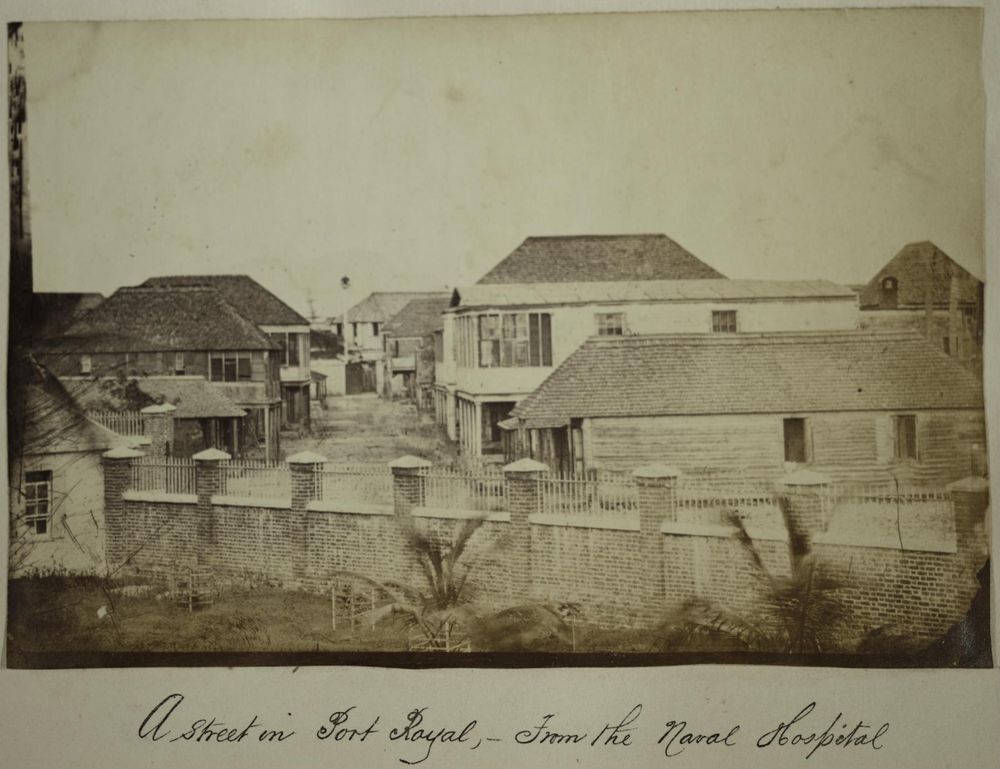
Begin with a street, rather than a pirate. In the album view taken from the naval hospital, buildings stand close to the roadway and the harbour is part of the town’s immediate setting. This is Port Royal long after its seventeenth-century commercial peak. The photograph shows the later town in which people lived, worked, served and received care, long after the 1692 earthquake. [1]
Source & credit
Two Port Royals, separated by time
Port Royal occupies the entrance to Kingston Harbour. UNESCO’s account of the seventeenth-century archaeological site connects the port with Atlantic commerce, including the trade in enslaved Africans, and describes the earthquake that submerged much of the town in 1692. Those surviving remains belong to an earlier historical layer than these photographs. The nineteenth-century barracks, hospitals and wharves pictured here postdate the earthquake. [2]
The Jamaica National Heritage Trust describes Port Royal’s subsequent importance as a British naval station. That later history is the setting for this visual essay. The album, compiled by Alexander Dudgeon Gulland and now held at Princeton, is catalogued between 1860 and 1880. The visible captions retain that catalogue range. [3] [1]
A town around the base
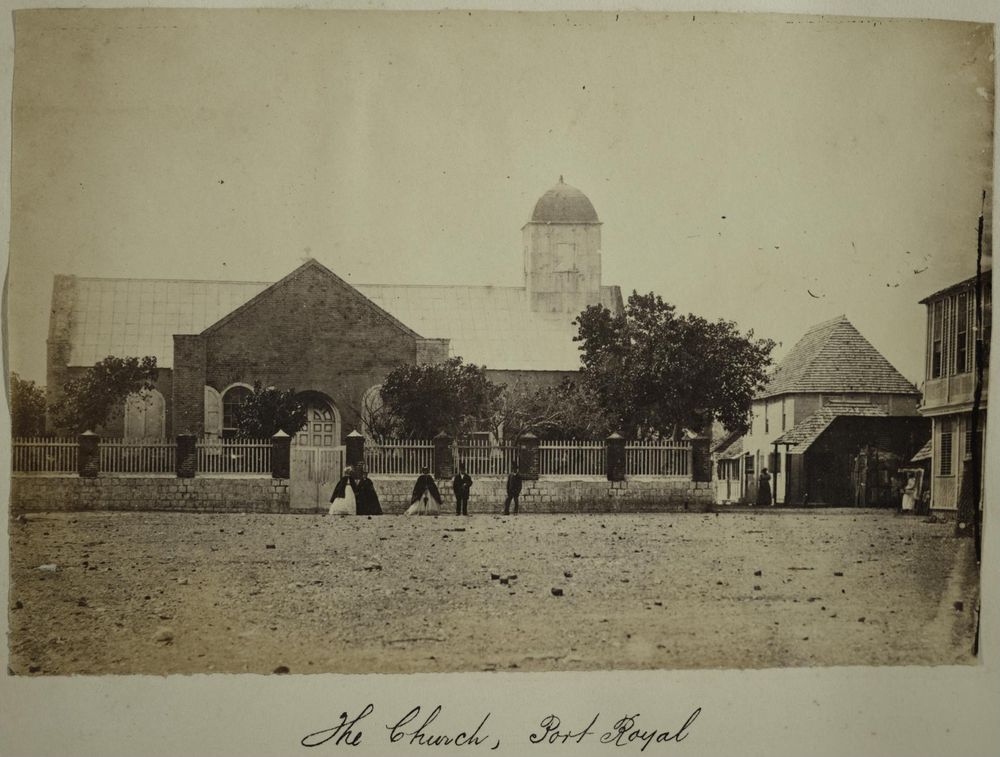
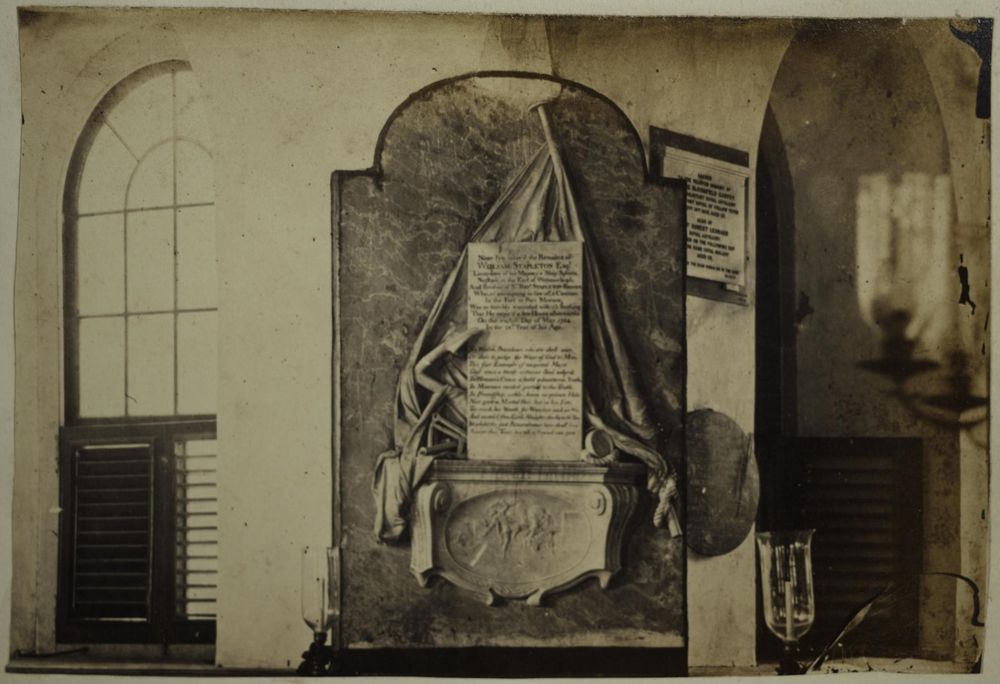
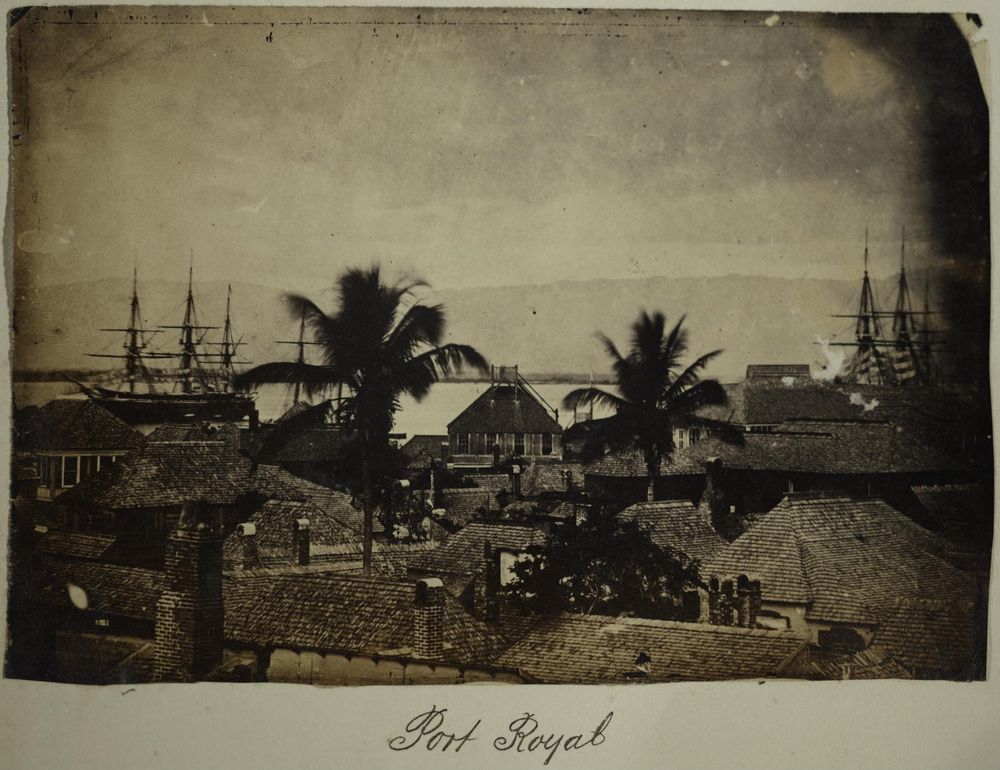
The church, street, shoreline and memorial views show that the naval establishment existed within a built settlement. Compare the church frontage with the view titled simply “Port Royal”: open ground, roofs and planted spaces give each photograph a different sense of scale. The untitled interior view includes a memorial whose subject is unidentified in the catalogue; the inscription is indistinct.
Source & credit
Explore the remaining photographs in this section · 3 images
Source & credit
Source & credit
Source & credit
The dockyard was a workplace
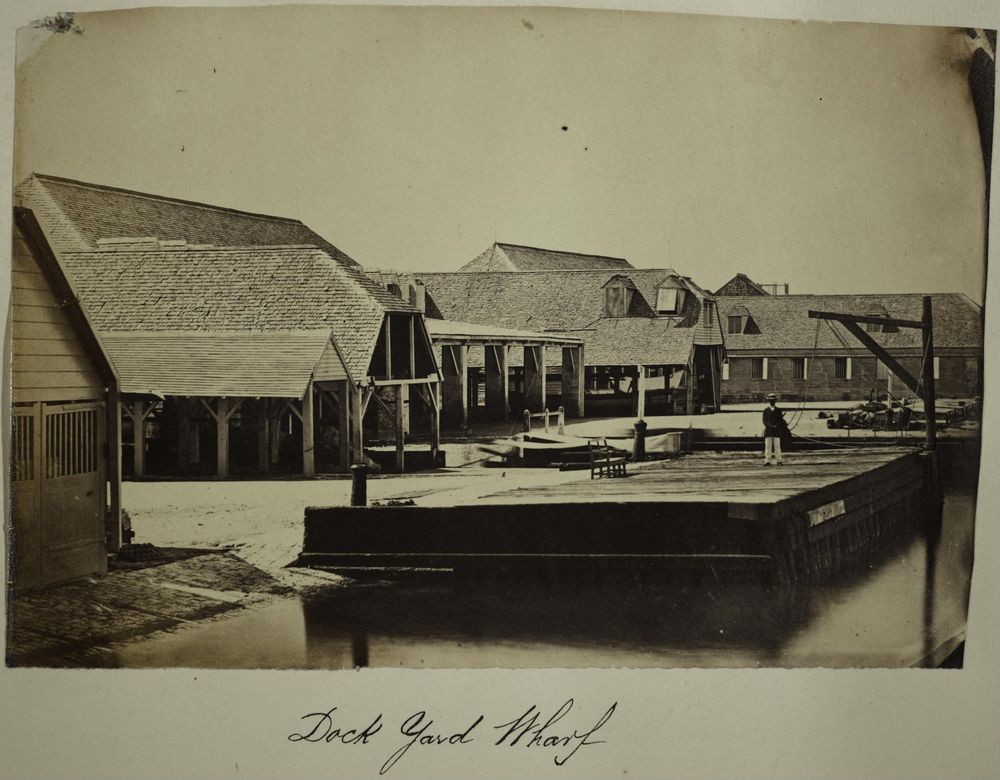
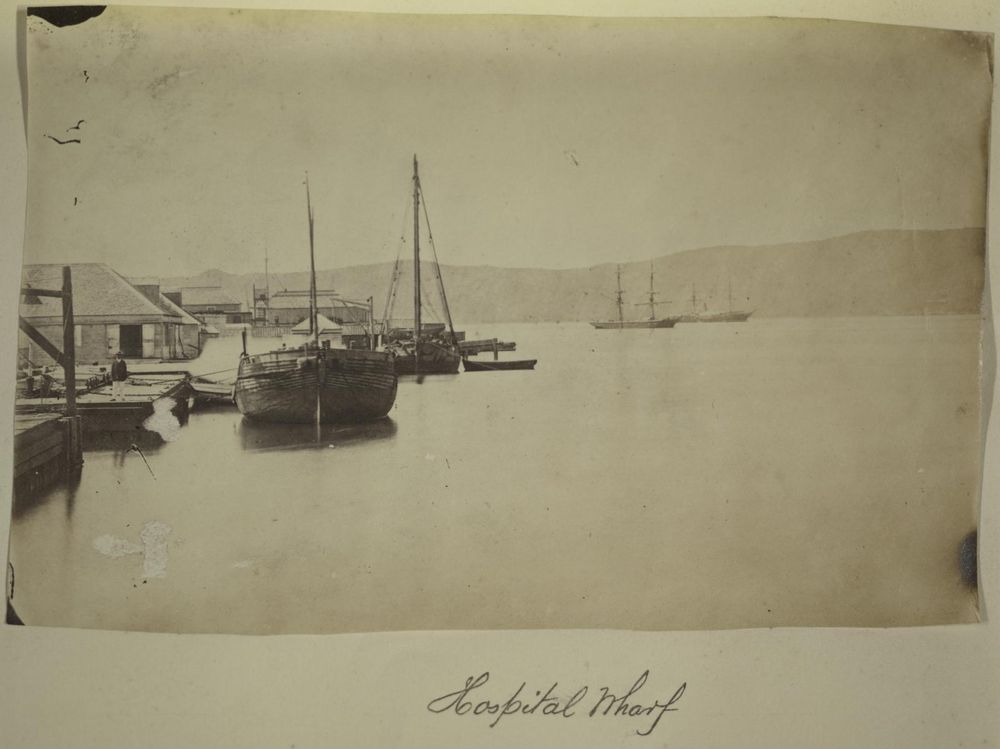
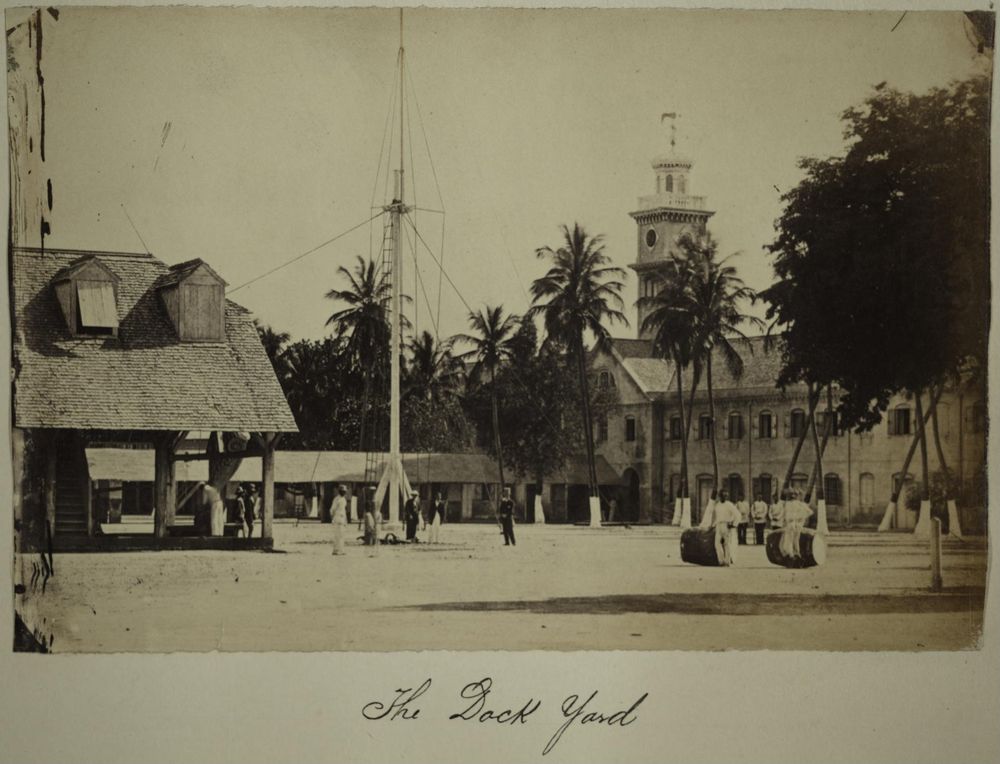
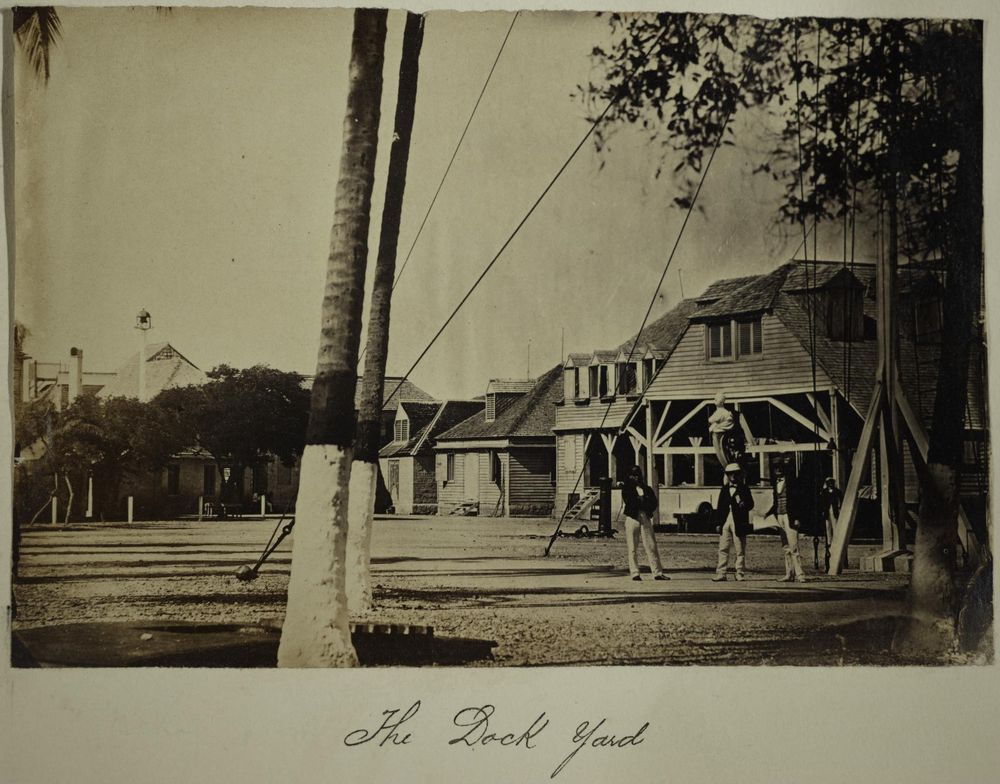
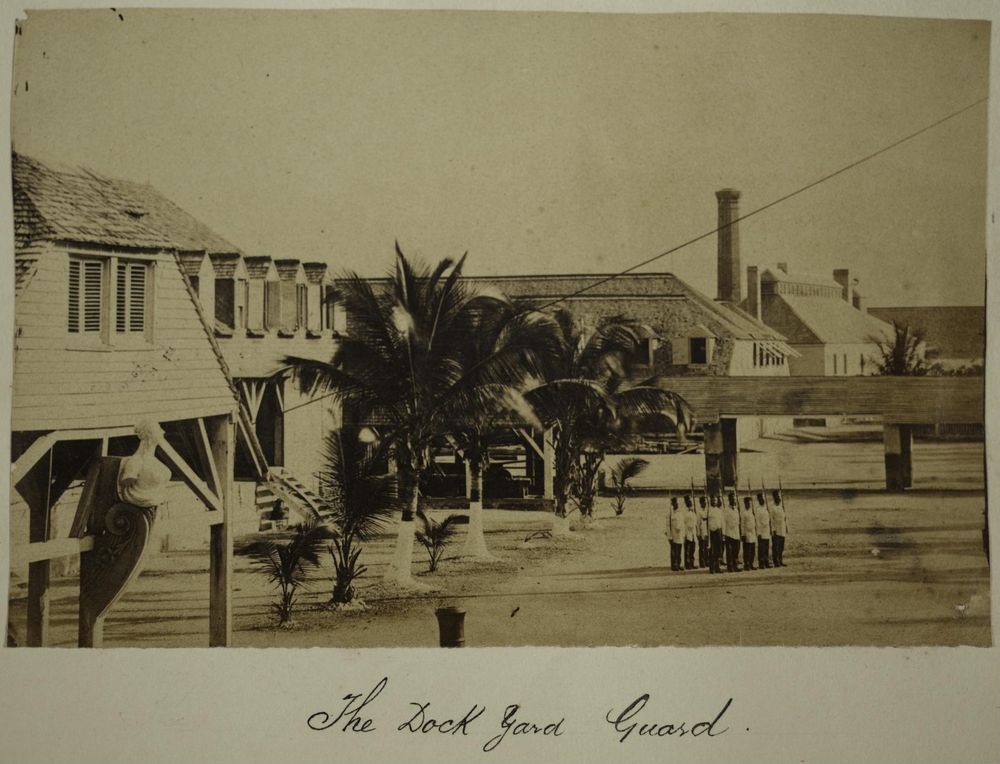
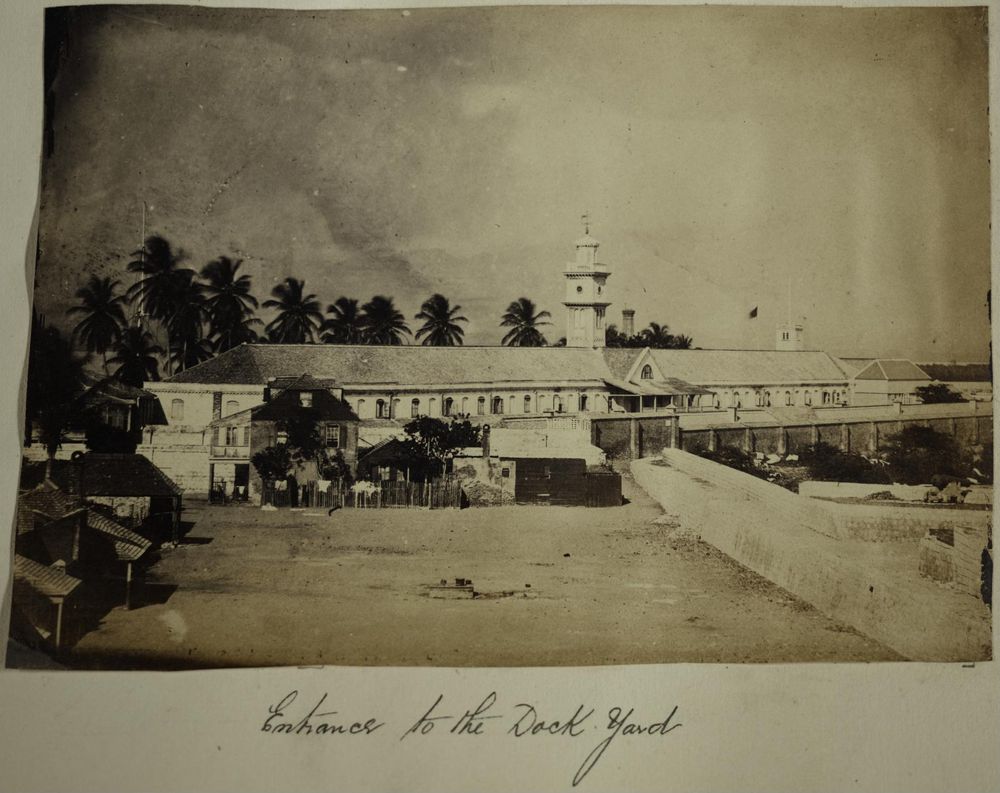
Wharves, waterfront buildings and the dockyard guard recur in the album. Looking at them together changes the story from ships arriving to the spaces that sustained a naval presence. Compare the hospital wharf, the dockyard wharf and the entrance to the yard: the album distinguishes them rather than treating the entire waterfront as one anonymous harbour scene.
The wharves, guard posts and waterfront buildings connect the naval base to maintenance, supplies, transport and supervision. They also keep the people whose labour sustained the establishment within the story of Port Royal.
Source & credit
Explore the remaining photographs in this section · 5 images
Source & credit
Source & credit
Source & credit
Source & credit
Source & credit
Hospitals belong in the history of naval power
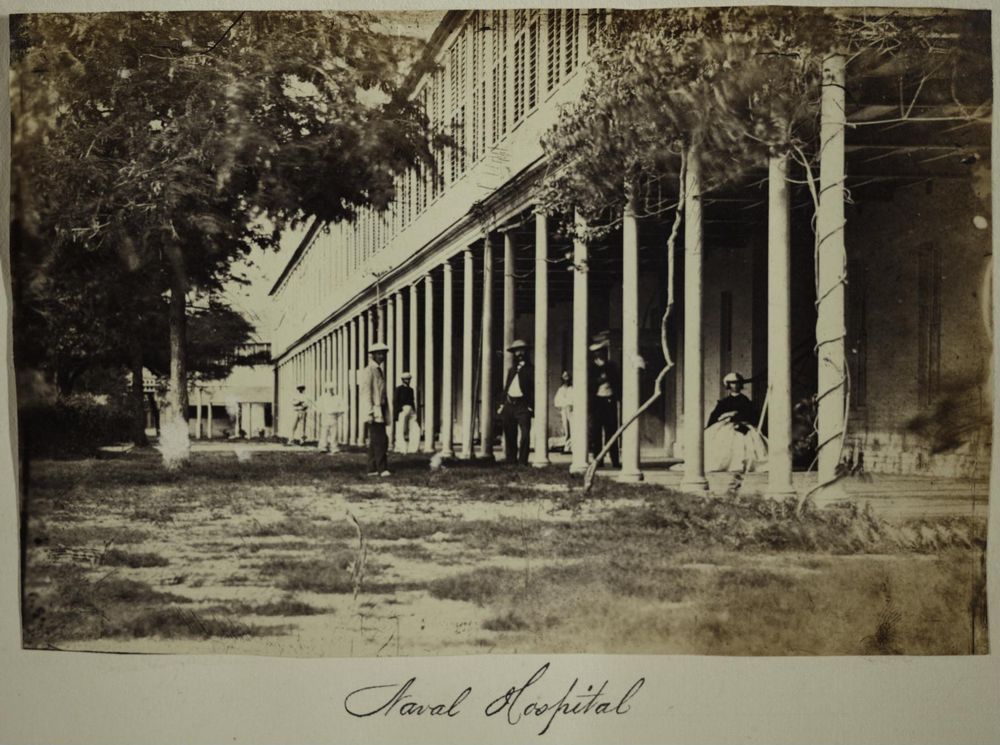
The album labels separate views as the military hospital and the naval hospital. Their galleries, grounds and relation to the water deserve attention alongside batteries and barracks. The Trust dates the historic naval hospital to around 1818 and identifies its cast-iron construction and the use of enslaved African labour in building it. The hospital links the estate and construction labour of the slavery period with the naval town photographed after emancipation. [3]
Compare the long hospital frontage with the view from the hospital wharf. The photographs record architecture and setting. They do not independently tell us who was admitted, which illnesses were treated or what patients experienced. Those questions require hospital records and personal testimony.
Source & credit
Explore the remaining photographs in this section · 4 images
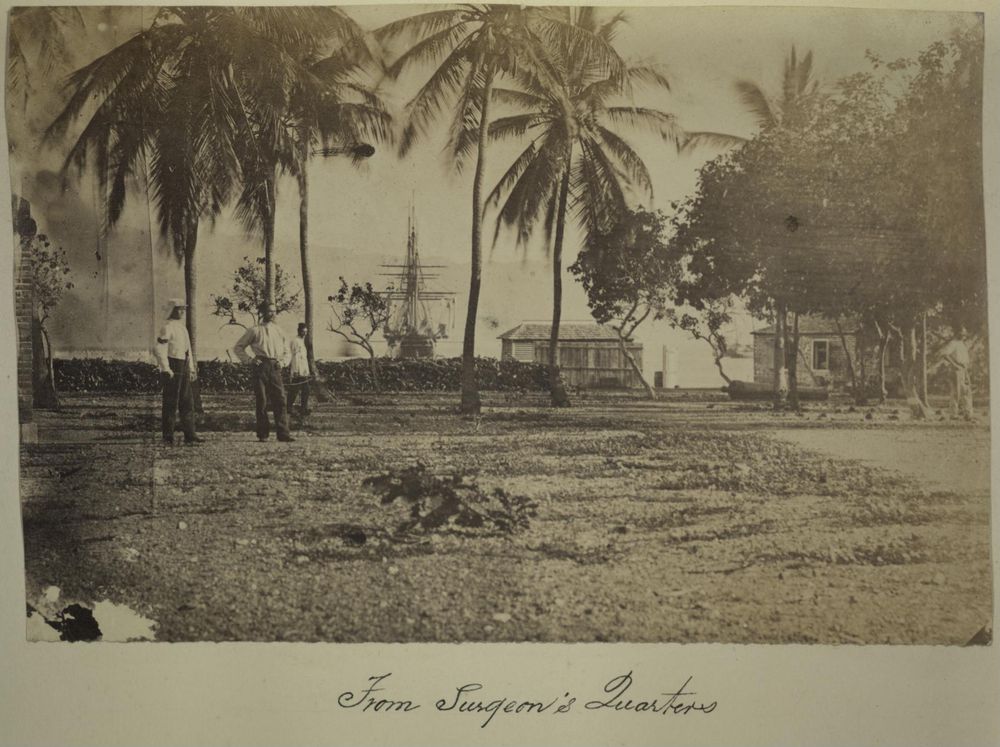
Source & credit
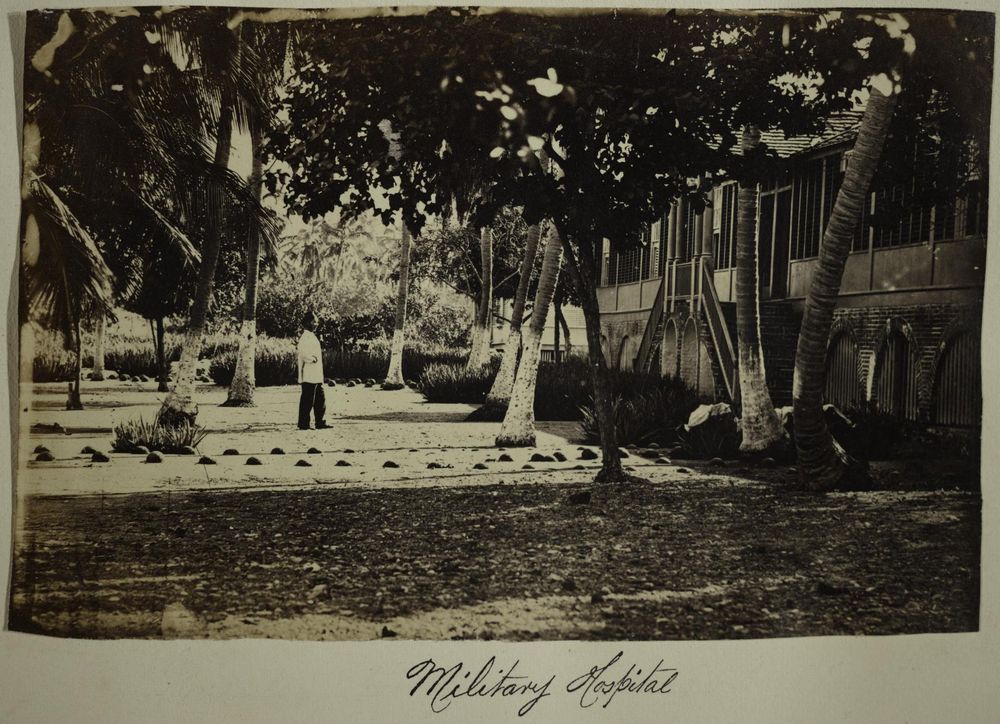
Source & credit
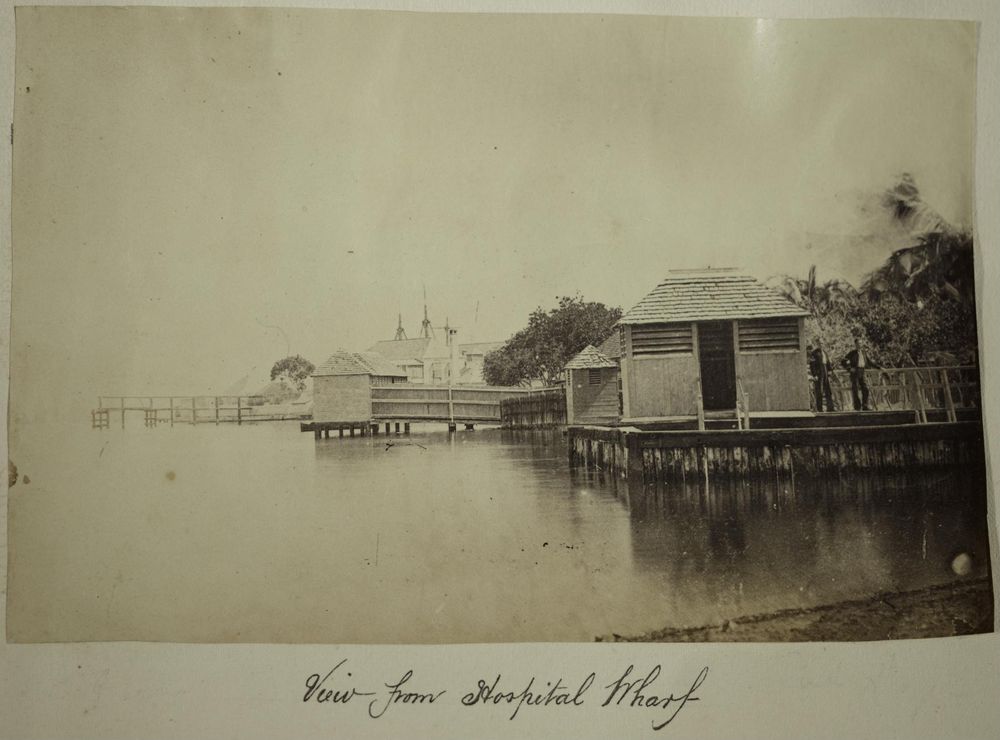
Source & credit
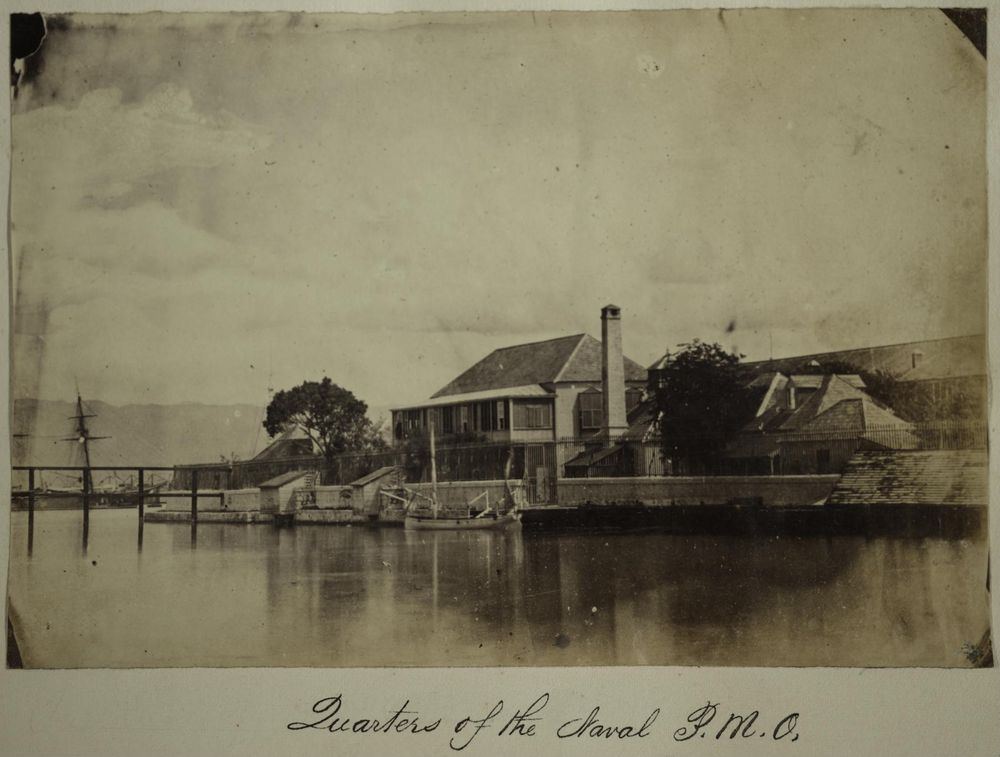
Source & credit
Gates, quarters and the parade ground
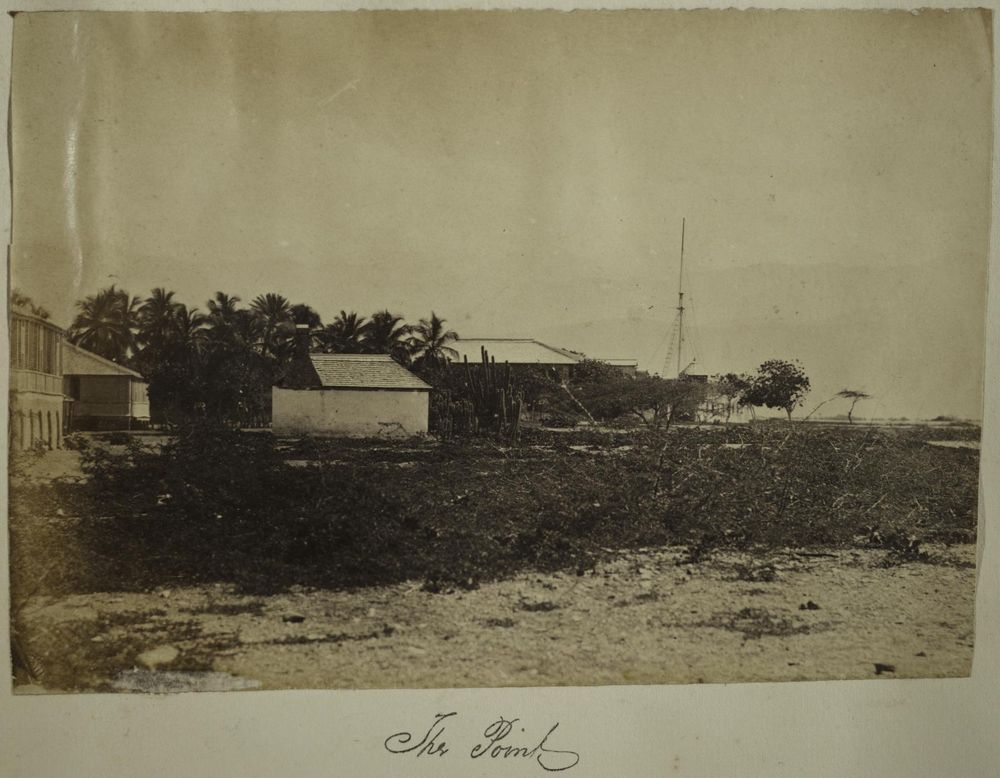
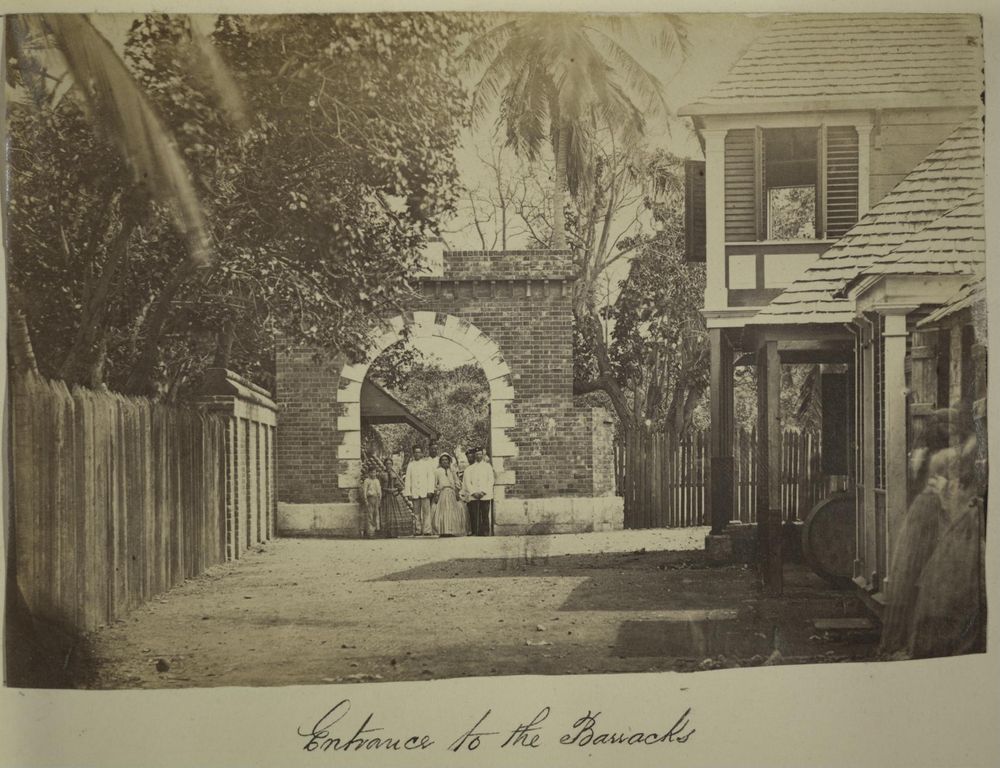
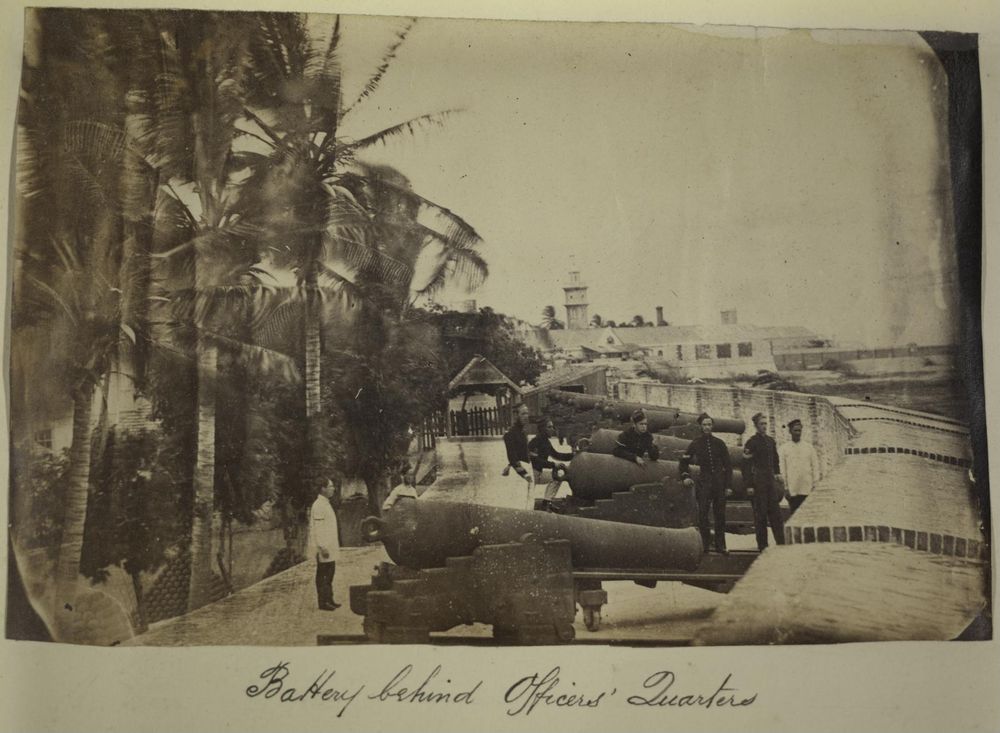
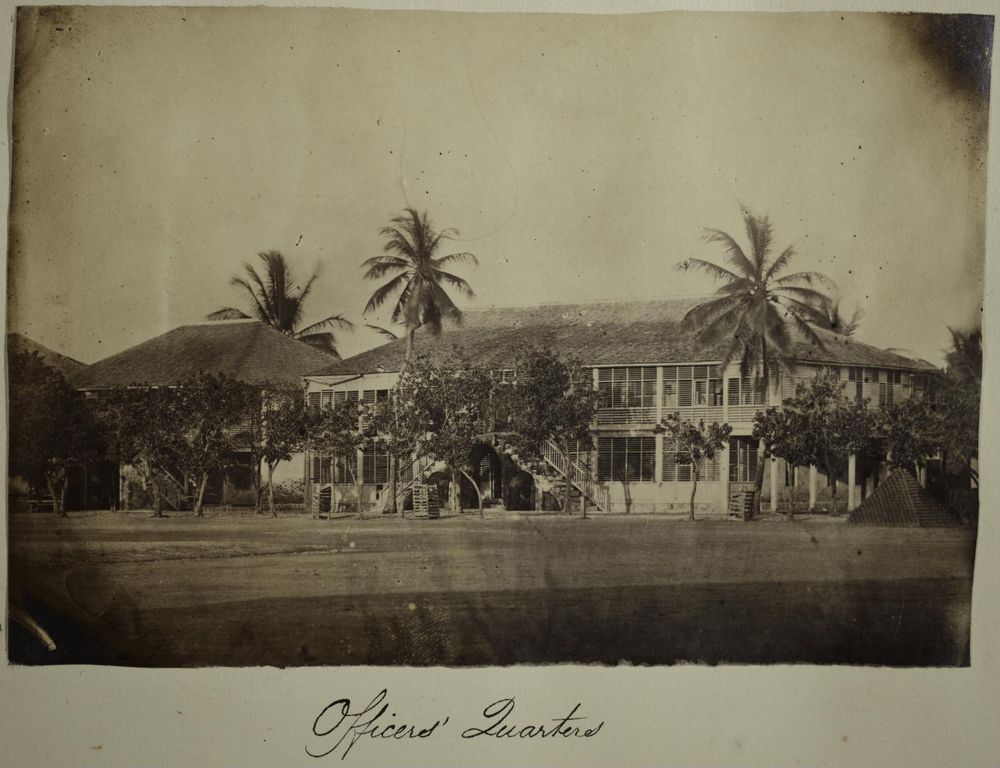
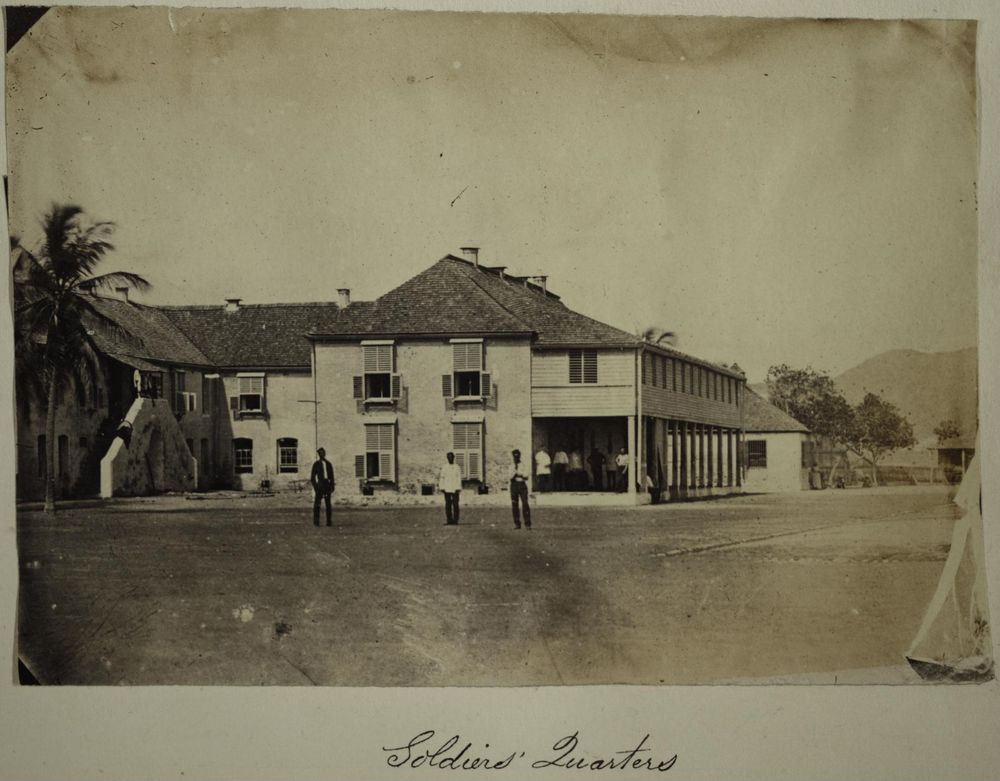
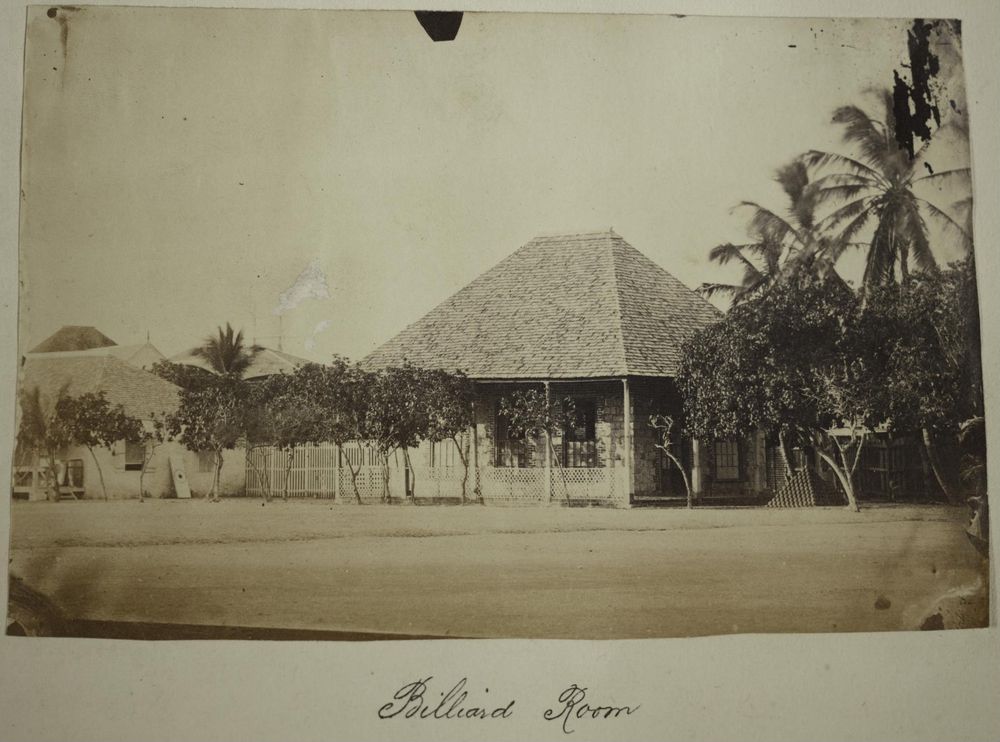
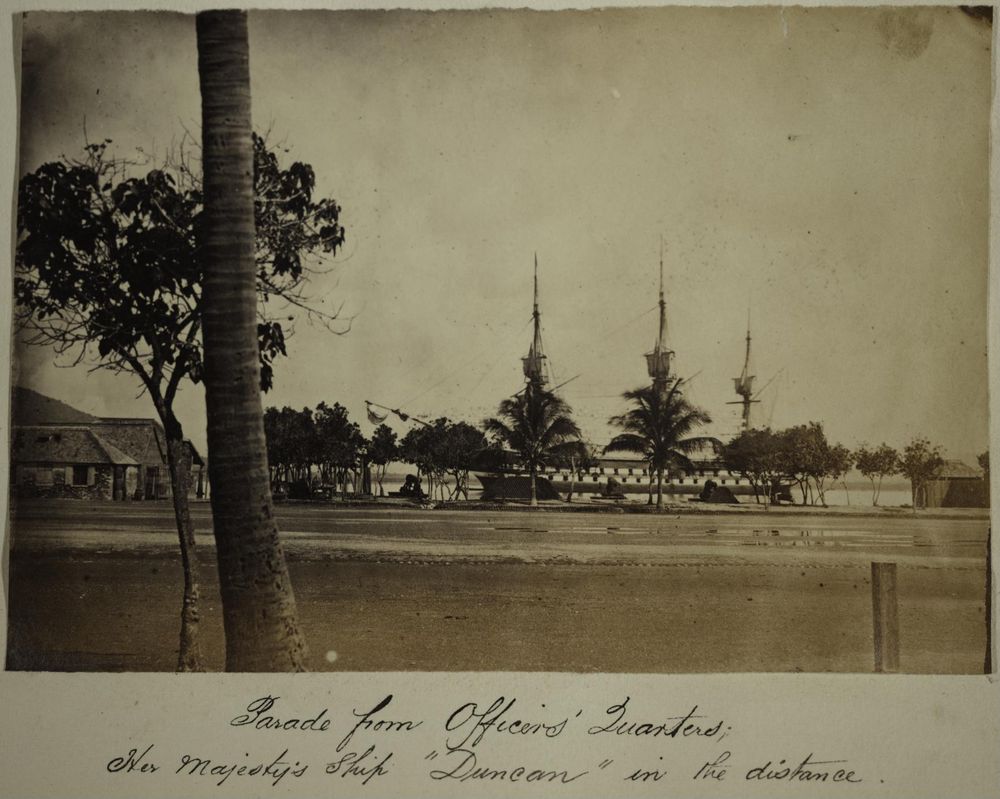
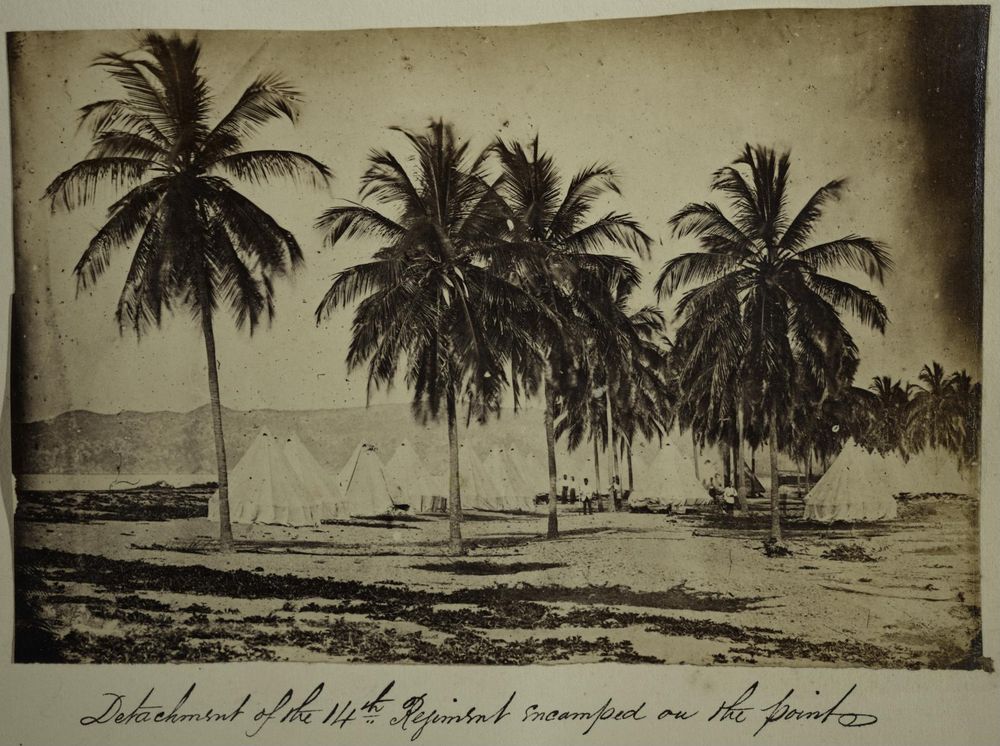
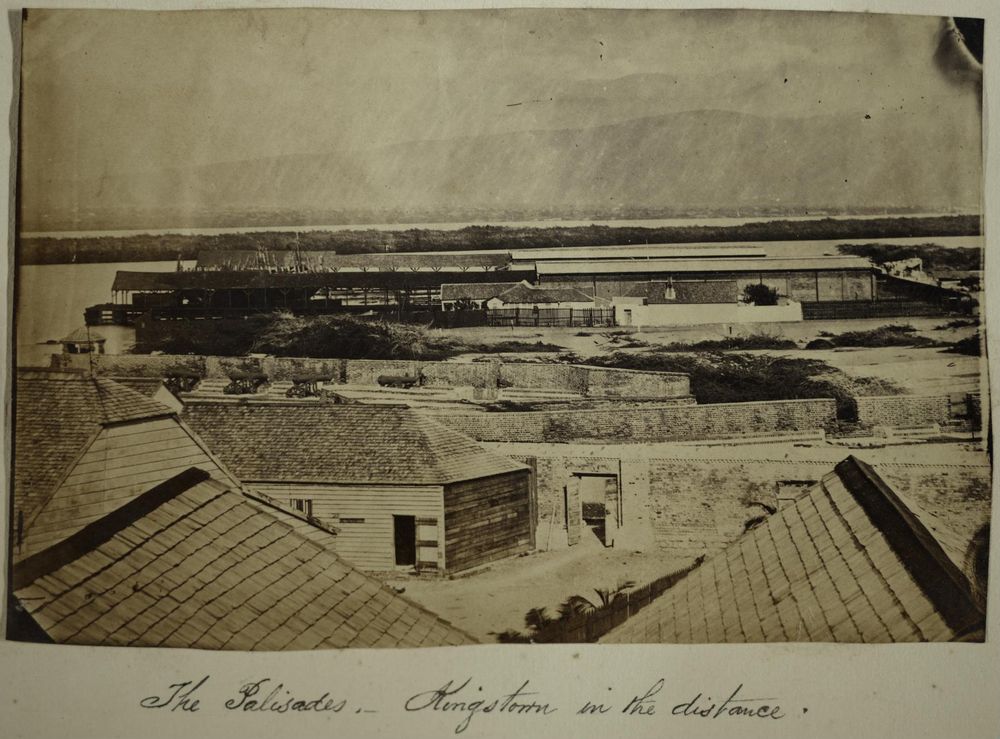
The remaining views follow the barrack entrance, officers’ and soldiers’ quarters, a billiard room, a battery and the point. The album’s own distinctions make hierarchy visible in its organisation: different spaces are named for officers, soldiers and leisure. That is evidence of how the place was described and arranged, not proof of every resident’s daily routine.
One caption identifies a distant ship as HMS Duncan; another names a detachment of the 14th Regiment. Those are the album’s identifications, retained with links to the original images. The parade ground, quarters and leisure spaces bring the organisation of the base into view.
Source & credit
Explore the remaining photographs in this section · 7 images
Source & credit
Source & credit
Source & credit
Source & credit
Source & credit
Source & credit
Source & credit
A working town around the naval base
This is an institutional and military view of Port Royal. Streets and buildings can be examined closely while the lives of many residents remain unnamed. Ask what lies outside the frame: homes beyond the chosen vantage point, the work between the photographed buildings, and people who did not receive a portrait or a caption. The photographs offer a starting point for exploring those residents and their work.
For a visit, compare the historical waterfront with the surviving naval and hospital sites, and confirm current entry arrangements with the Jamaica National Heritage Trust.
About the pictures: All 24 Port Royal digital image records identified in this Jamaican section of the Gulland album are included above. Open each section to see the additional views. This is not every Port Royal photograph held by Princeton. Source captions and uncertain dates are preserved; the images have not been reconstructed or colourised.
Sources and image provenance
- Princeton University Library: Alexander Dudgeon Gulland photographic album, 1860–1880, 2022-0001E. Port Royal details on leaves 7–12, digital image records 31–64 excluding full-page composites and blank versos. Item captions are attributed to the album, not treated as independent certification.
- UNESCO World Heritage Centre: The Archaeological Ensemble of 17th Century Port Royal. Earlier port, trade and the 1692 earthquake; distinct from the nineteenth-century photographs.
- Jamaica National Heritage Trust: Port Royal and the Historic Naval Hospital. Institutional history; hospital construction, date and enslaved labour. Current opening times and visitor access are not inferred from this historical page.
- Princeton Special Collections: copyright, credit and citation guidelines. No library publication permission or usage fee required; credit requested. The album’s No Known Copyright statement is an institutional assessment, not a worldwide warranty.