Do Jamaica with local knowledge: meals, markets, movement and manners
There is no single Jamaican way to spend a day. A resident buying provisions, someone returning to family and a visitor exploring a parish have different priorities. The useful aim is to make informed choices, respect people’s time and understand the places you enter.
Choose a parish day rather than collecting the island
Begin with where you are sleeping, the people you hope to see and how you will return. A day based around Ocho Rios should not automatically acquire a Kingston museum and a Portland meal simply because each looks appealing on a map. Plan one main purpose, one meal and one optional stop in the same area. Leave space for traffic, weather and a conversation worth staying for.
For a resident, this may mean an unfamiliar nearby heritage stop after ordinary errands. For the diaspora, it may mean giving family time priority over a packed attraction schedule. For a first visitor, it may mean hiring someone with knowledge of the parish instead of trying to improvise an inland route. These are equally valid forms of local engagement. Staying in a hotel does not prevent it, and taking the cheapest transport does not establish it.
Markets are places of work
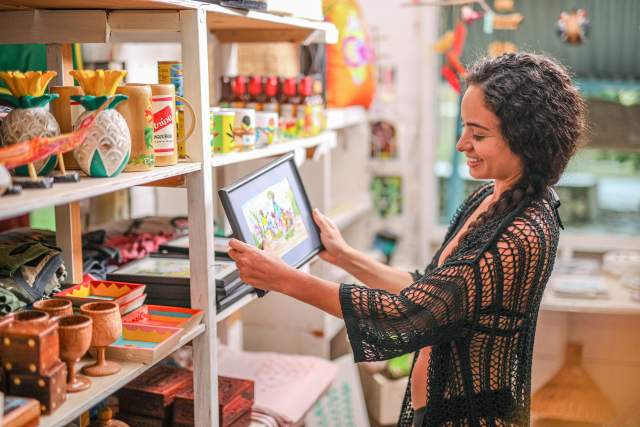
The Jamaica Tourism Board names Coronation Market in Kingston for produce shopping and recommends a guided visit for travelers. It also identifies Half-Way-Tree’s merchants and the Pineapple Craft Market in Ocho Rios. These are different settings: provisions, ordinary retail and craft shopping should not be collapsed into one supposedly authentic experience. [1]
Go with a purpose. Ask what is in season, how an unfamiliar ingredient is prepared, and whether the quoted price is for one item, a weight or a bundle. Greet the seller before launching into questions. Keep passages clear and ask before photographing someone or their stall. If you negotiate, do so courteously; there is no cultural achievement in exhausting someone for the smallest possible saving.
Source & credit
Order a meal that works for you
At a cookshop or jerk stop, ask what is ready, which sides are included and how spicy the serving is. If you need a vegetarian meal, ask about stock, meat gravy and preparation as well as the headline ingredient. At a fish stop, agree the size, preparation and total price before the fish is cooked. A menu written in Jamaican dollars is not automatically a bargain, and an attractive tourist-facing restaurant is not automatically inauthentic.
For an easy Kingston combination, Devon House pairs its historic mansion with grounds, eateries and shops. Its own visitor information identifies ice cream, bakery patties and an Artisan Village with Jamaican products. You can make it a heritage-and-food outing, or simply meet someone for a treat; a mansion tour is a separate choice that should be arranged with the operator. [2]
For the north coast, use this guide’s Drax Hall, Ocho Rios and St. Mary food listings to keep the meal close to the day’s route. Ask your host which place is serving reliably today. Treat a recommendation as the beginning of a decision: opening, dietary needs, parking and the group’s comfort still matter. A long detour for a famous name can make a worse day than a good meal nearby.
Understand the ride before you board
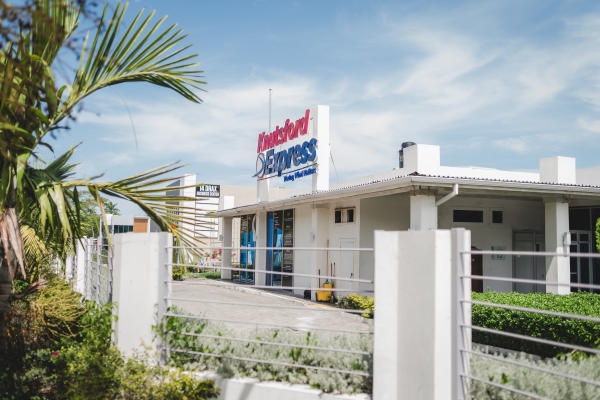
A shared route taxi and a private charter are different products. The Transport Authority’s licensing and route identification matter more than a driver’s claim to offer a local experience. Confirm the destination, fare, whether the ride is shared and where you will be let off. For intercity travel, a booked coach can be more manageable than several transfers with luggage. The tourism board’s transport guide distinguishes JUTC buses, privately operated minibuses, route taxis, charters and Knutsford Express services. [3]
Source & credit
Reserve complicated journeys and confirm departure points with the operator. Do not assume a route runs at the same frequency on a Sunday, public holiday or late evening. If you need step-free boarding, space for a wheelchair or assistance with bags, ask specifically before paying. “Public transport” is not an accessibility guarantee. For an inland excursion, a driver who waits may give you more useful flexibility than a plan dependent on finding another ride at the destination.
A workable day, with sensible substitutions
Kingston: Choose a guided Coronation Market visit if provisions and food are your main interest, then leave time for a meal and a quieter meeting at Devon House. Arrange the transfer between them; they are not one continuous pedestrian attraction. Substitute Devon House’s mansion tour if a busy market does not suit the group. Add an evening performance only when you have checked the event and return transport.
Ocho Rios and St. Ann: Make a town visit and craft shopping the core of a short day, then choose one nearby food stop. Use the history section to understand St. Ann’s Bay before adding it to the route. A family day with beach time is a complete plan; it does not need another waterfall, plantation and nightlife stop to qualify as worthwhile.
St. Mary: Connect one historical place around Port Maria with a locally recommended meal. Add the hills only when the road and destination have been confirmed. Private houses, working farms and churches are not open attractions because they appear in a story. For a returning family, an agreed visit with relatives may teach you more than adding another scheduled tour. Make permission and timing part of the plan.
Listen without performing an identity
Jamaican English and Jamaican Creole belong to living communities and change with speaker and setting. You do not need an imitation accent to be friendly. Ask when you have not understood, use the language resources to listen, and let people choose how they address you. Avoid demanding a performance of “real patois” from a worker who is helping with a practical question.
At a bar or dance, observe the setting and ask what is happening. Some gatherings welcome visitors; others belong to a family, congregation or neighborhood. A loud soundtrack is not a blanket invitation. Read the sound-system history article for context, confirm public admission and ask before filming. Respect also includes people who prefer quiet, church music, a different genre or no nightlife at all.
Spend thoughtfully and keep your judgment
Buy a product you want, pay a clear agreed price, and learn who made it. Do not photograph hardship as scenery, enter someone’s yard for a “local” picture, or mistake an informal arrangement for permission. Conversely, do not treat every seller’s conversation as a threat. Clear boundaries and ordinary courtesy can coexist.
Tony’s Call: The strongest local day has a purpose and a return plan. Ask a resident or host one useful question—“Where would you take someone for this meal today?”—then verify the practical details. Best for: Residents exploring another parish, the diaspora reconnecting and visitors who want more than an attraction circuit. Skip: Any plan that depends on pretending to belong, bargaining as sport or turning someone’s working day into your performance. Timing and cost: Choose the actual route first; confirm transport, tour and meal charges rather than relying on a universal daily budget. Access: Ask each stop about steps, toilets, shade, seating and vehicle approach.
A good local day needs a purpose and a workable pace
Choose the day around one question or experience, then add a meal and a sensible next stop. A coastal history day might pair a heritage site with a town; an inland day might pair a market center with an arranged community visit. The transport is part of the plan, not empty time between attractions. Confirm the return and leave room for a conversation or a delay.
Local knowledge is valuable because it is specific. Ask about the actual route, opening arrangement and place to stop rather than requesting a generic “authentic experience.” A driver, guide, vendor and resident may know different parts of the answer. Their expertise does not make everyone available as an unpaid interpreter of Jamaica.
Learning can begin before you arrive. Read one regional article and one household or cultural account, then notice how current life relates to those histories without assuming it is unchanged. A newer house, busy school or ordinary shop belongs to Jamaica as fully as a famous monument. Tony's call is to leave able to explain a place, with your curiosity answered and people's boundaries respected.
Sources and notes
- Jamaica Tourism Board. Shopping in Jamaica: named markets, merchants and photo identifying Treasure Beach. ↩
- Devon House official visitor information: mansion tour, food and artisan shopping. ↩
- Jamaica Tourism Board. Public Transportation: distinctions among transport types, operator links and Drax Hall depot photograph. ↩ · Transport Authority: confirm licensed transport information. · Knutsford Express: confirm current departures and bookings.
The parish-day combinations and etiquette are this guide’s recommendations, not evidence that all Jamaicans share one routine. Named facilities are sourced; schedules, prices, access and particular events require current operator confirmation. Photographs retain their publisher identity and are not represented as open-licence images.