Ackee, saltfish and the making of a Jamaican meal
How plantation provisioning met household cooking, with documented African uses of ackee and the limits of the origin story.
Explore one story at a time, from provision grounds and the Atlantic economy to family kitchens, migration and faith.
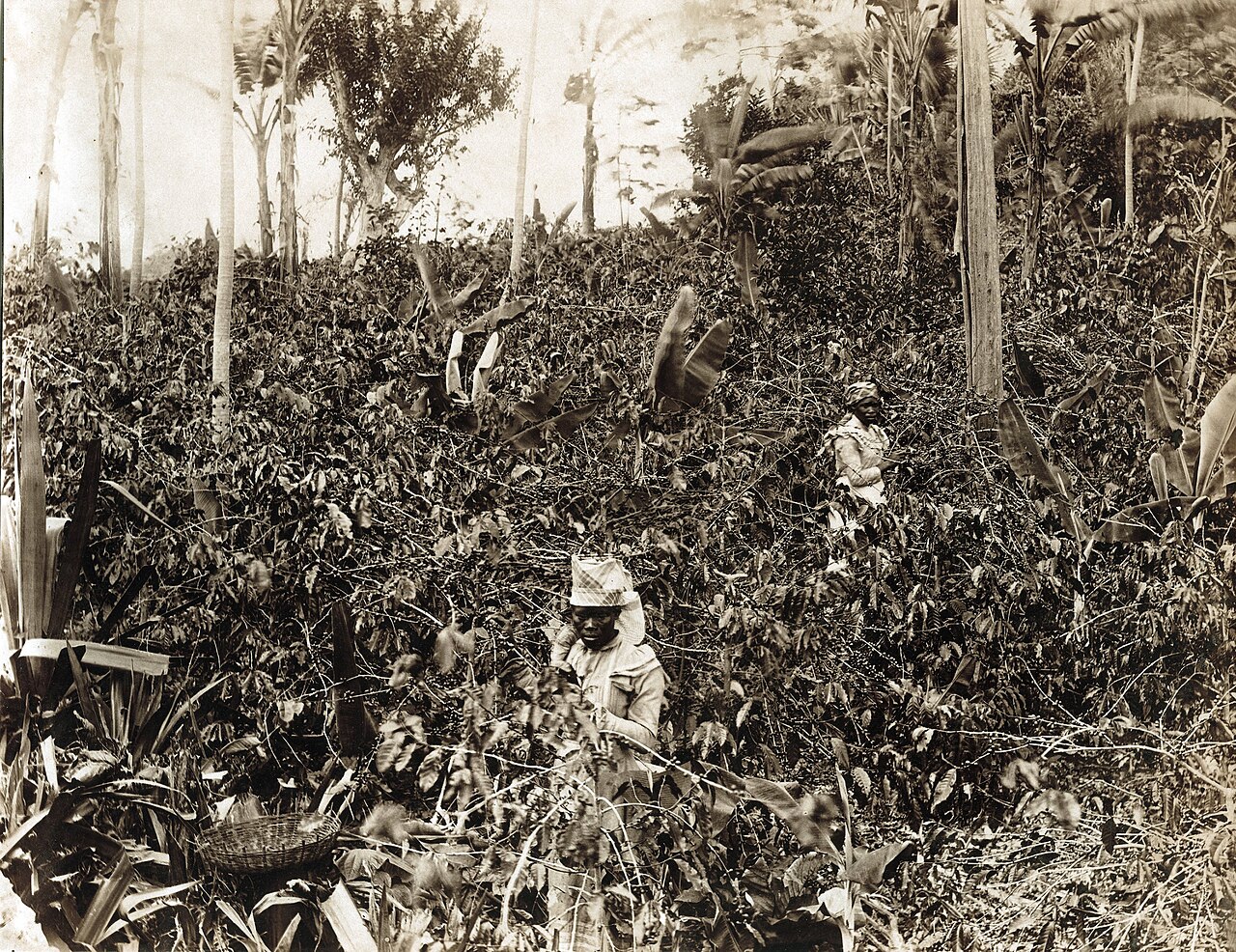
How plantation provisioning met household cooking, with documented African uses of ackee and the limits of the origin story.
Provisions, purchases and unequal access shaped the meal. Read a contemporary colonial description beside the household story.
A leaf-wrapped food connects African language histories with named Jamaican cooks and their different starches.
Cooking vessels reveal craft, exchange and the work between obtaining an ingredient and serving a meal.
Maize, sweet potato and the histories carried through family preparations, without inventing an original formula.
A dated newspaper page places food supply inside international trade and colonial vulnerability.
Cultivation for household use and sale gave enslaved people an economic life beyond the plantation’s export accounts.
Preservation and trade connected distant fisheries to Jamaican diets, and cooking gave imported fish local uses.
Markets joined cultivation to household survival through the work of people carrying and selling food.
Indentured arrival became family and community life. Read a named cook’s practice beyond a general claim about curry.
Chinese Jamaican cooking belongs to the histories of families, enterprise and belonging, as well as technique.
Cassava knowledge leads from Indigenous Caribbean foodways to later Jamaican kitchens and carefully attributed preparations.
An attributed interpretation connects jerk to Maroon freedom, landscape and Indigenous knowledge.
Food, belief, household budgets and gathering explain Ital as part of livity, with variation among practitioners.