Great houses worth understanding: Seville, Good Hope, Greenwood and Devon House
Tour a building with its labor and land history in view. These houses offer different stories—and their current access is not interchangeable.
The house is not the whole estate
A great house records the wealth and authority of an owner, but its story also belongs to the workers, servants, builders and households around it. Ask about the source of wealth, the estate workforce, kitchens, water, gardens and production buildings. Restoration can preserve beautiful rooms while making the labor that sustained them harder to see. Furniture deserves attention; it should not displace people.
Seville, St. Ann: a strong first choice
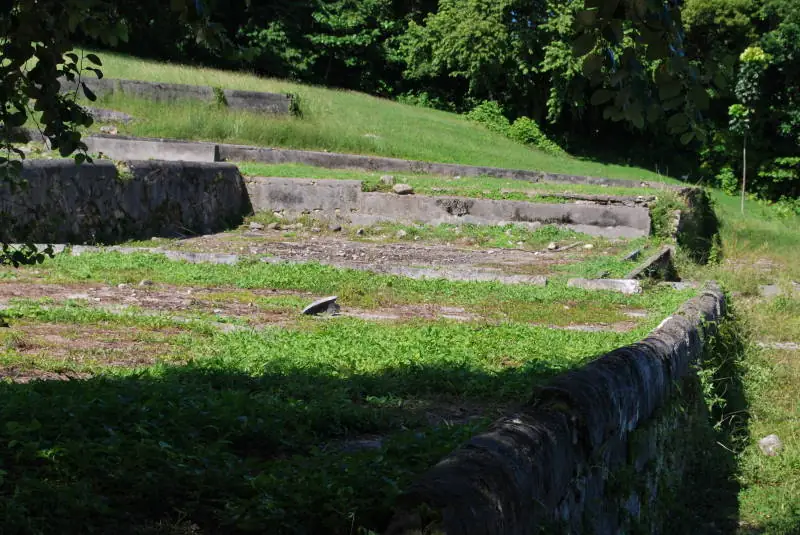
Seville’s great house dates to 1745 on the site of an earlier residence. JNHT records its wattle-and-daub construction, timber floors, veranda and the loss of an upper storey to a hurricane around 1898. Its official page identifies the site as a heritage attraction and supplies a tours contact. [1] Read the house alongside the heritage park’s Indigenous, Spanish and English layers.
Source & credit
Visit: Official Seville tour desk. Confirm the day, fee and guide arrangement before travel; ask specifically about steps, uneven ground, toilets and seating. Do not use a years-old online fee as a current price. Best for: north-coast travelers who want several periods in one place.
Good Hope, Trelawny: the estate matters
JNHT connects Good Hope to a land grant and John Tharp’s ownership. [2] Follow that connection to the river, estate production and Falmouth’s port rather than presenting the house as a country retreat detached from slavery.
Visit: CHUKKA currently lists Good Hope estate products, but an adventure pass should not be assumed to include an interior great-house history tour. Check the operator’s current products and obtain explicit confirmation of house access and interpretation. Best for: an estate day only when the chosen product actually delivers the history you want. [3]
Greenwood, St. James: worthwhile history, currently closed
Greenwood’s museum is a valuable alternative to the Rose Hall ghost narrative, but the operator’s homepage currently says temporarily closed and links to rebuilding support. [4] Older tour listings must not be used as proof that you can visit now. Contact the operator before routing a day around it; this guide does not treat it as currently bookable.
What to ask when it reopens: how the collections are dated, which belonged to the house and how plantation wealth and the Barrett family are interpreted. A historic instrument or furnished room becomes useful evidence when its provenance is explained.
Devon House, Kingston: a different wealth story
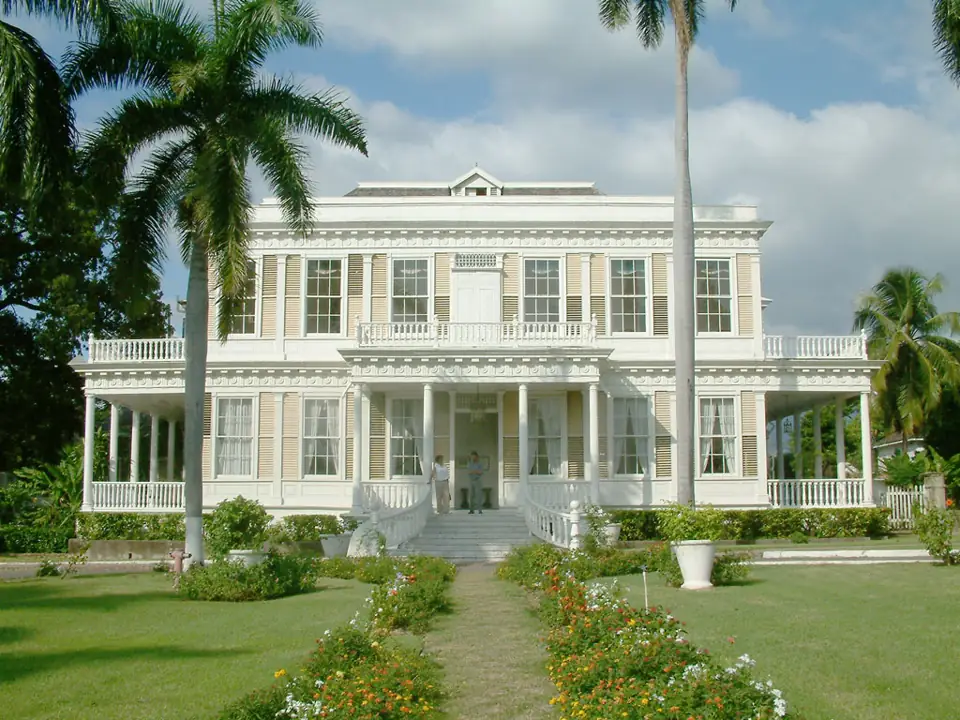
Devon House was George Stiebel’s home; its operator offers mansion tours relating to the household in 1881. [5] It broadens the discussion beyond the eighteenth-century planter’s house to Black wealth in post-emancipation Jamaica. Keep that distinction clear: “historic house” does not mean every property has the same economic history.
Visit: Official mansion-tour booking. The grounds, restaurants and mansion tour have different arrangements; confirm the interior tour, language and accessibility rather than treating garden access as a house ticket. Best for: a Kingston day linking household history, urban life and other museums.
Source & credit
And Rose Hall?
Rose Hall can still be visited as an attraction, but supernatural storytelling must be identified as folklore or entertainment rather than substituted for documented history. Ask for the estate’s people, ownership and labor history. A dramatic tale may explain why a venue is marketed; it does not establish what happened there.
For any house, let the operator confirm access, costs and the walking surface. A historic-site designation is evidence of heritage recognition, not a promise of daily tours or step-free interiors.
Tony’s Call: Choose Seville for a north-coast history day or Devon House for Kingston. Put Good Hope on the itinerary only after confirming the history component; keep Greenwood on the watch list until reopening is confirmed.
Ordinary homes alongside great houses → · Plantation and port →
The view from the veranda left much outside it
A great house arranged an estate’s wealth into domestic comfort and a visible claim to standing. That comfort depended on activity beyond the reception rooms: production, provisioning, repair and household service. A tour that ends with furniture can leave the system that sustained the furniture almost invisible.
Seville’s village archaeology offers a way to recover that wider landscape. Devon House provides a different comparison because Stiebel’s wealth and the house’s late nineteenth-century setting complicate a uniform planter narrative. Keeping those distinctions makes the buildings more interesting, not less. Each can tell a specific story about who accumulated resources, how a household operated and why later Jamaicans chose to preserve the place. [1] [5]