Roxborough: the birthplace and the history made around it
Location: Roxborough, Manchester, Jamaica
Explore area in Google Maps ↗Map search for the named place or area. Arrange the actual entrance, guide meeting point and access with your host; this is not a confirmed tour departure.
Norman Manley’s Manchester beginnings lead into family property, national politics and the later choices involved in preserving a hero’s birthplace.
Start with a family, not a title
Norman Washington Manley was born at Roxborough, Manchester, on 4 July 1893. His later designation as National Hero can make that beginning look inevitable. It was not. The site first belonged to a household, and its later public meaning grew through a career in law, community development and contested politics. A visit is strongest when the local place and the national biography remain connected without one swallowing the other. [1]
Source & credit
The family’s Manchester beginning
JNHT identifies his father, Thomas Albert Samuel Manley, as the purchaser of part of Roxbro Castle late in the nineteenth century. The Institute of Jamaica names his mother as Margaret and describes his father as a produce dealer. Both accounts connect the family’s later move to Belmont, Guanaboa Vale, with his father’s death. They disagree on the timing: JNHT gives 1903, while the Institute’s biography says Norman was six. The precise year should therefore not be presented as settled here. [1][2]
That modest uncertainty matters because a birthplace can acquire a very confident commemorative story. Keep the secure birth date distinct from disputed childhood chronology. The wider family setting is also more informative than a list of honours: property, trade, bereavement and relocation all belong in the account, even when the available records do not reconstruct every room or daily routine.
The house and the preserved site are different things
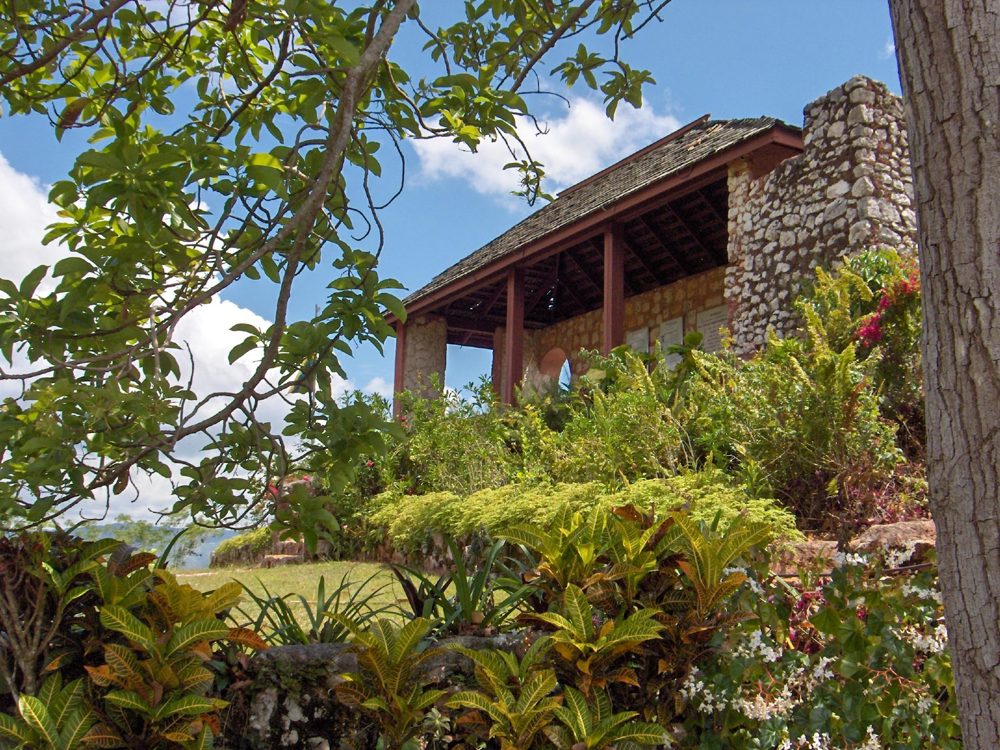
JNHT records destruction of the original house by fire in 1968. Its account discusses foundations and proposed restoration; that proposal is not confirmation of completed work or present opening arrangements. The later site photograph therefore needs its own caption rather than being passed off as an untouched childhood home. [1]
A preserved birthplace can still carry meaning after the loss of a building. What matters is explaining which fabric survives, which interpretation was added later and what the documentary record establishes. On an arranged visit, ask those questions before matching a modern view to an imagined nineteenth-century interior.
Source & credit
A later family photograph opens the story outward
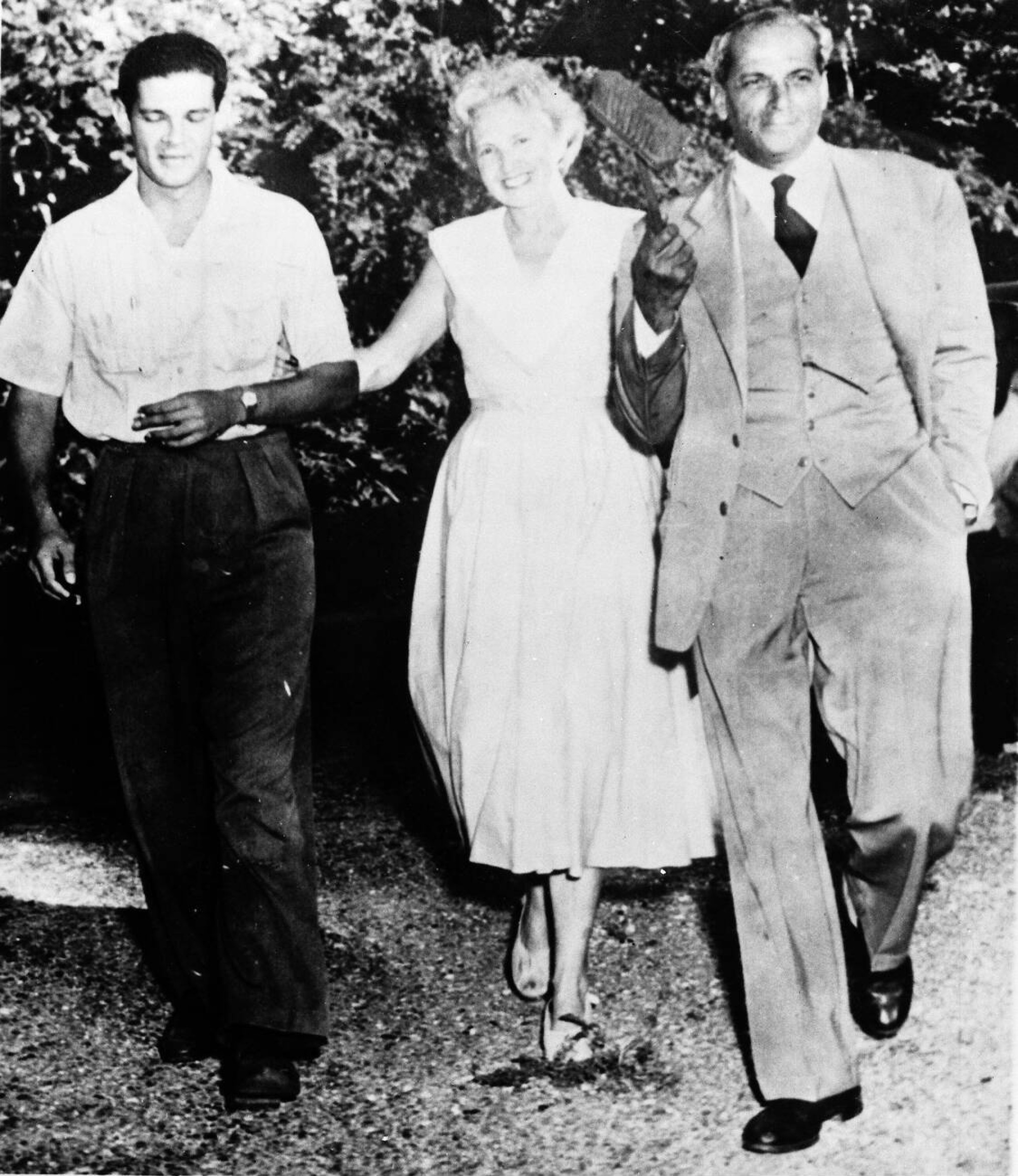
The Associated Press photograph is dated 13 January 1955 and shows Michael, Edna and Norman Manley in a family garden in Jamaica. It belongs to his later life, not to Roxborough. Keeping that location distinction explicit allows the image to connect the child born in Manchester with an adult family and public career, without pretending to supply a missing childhood scene. [4]
Edna was an artist with a career of her own, not simply a background figure in a politician’s household. Their son Michael later entered national leadership too. That makes the photograph a useful opening into family and public history, while its press setting reminds us that a published portrait is also a selected presentation of its subjects.
Community work before government
The Institute of Jamaica records Manley’s role in banana-industry organisation and the formation of Jamaica Welfare Limited in 1937, following negotiations with the large fruit companies. This connects his career to producers and rural welfare as well as constitutional change. The birthplace story can therefore lead outward into the practical institutions through which communities sought better opportunities. [2]
JIS places his advocacy during the labour unrest of 1938 alongside the founding of the People’s National Party that September. Those events connect Roxborough’s biography with the Frome labour history elsewhere in this guide. They do not make one leader the sole author of a movement involving workers, organisers and competing political voices. [3]
National history included choices and defeats
Manley supported universal adult suffrage, became Chief Minister after the 1955 election and later advocated West Indian federation. In the 1961 referendum Jamaicans rejected continued membership; separate independence followed another constitutional path. These were decisions made amid disagreement, not stages in a plan everyone had accepted from the beginning. [3]
Reading Roxborough alongside the independence story keeps those alternatives visible. The birthplace anchors the person in Manchester; the wider history explains the institutions and arguments through which his public life mattered. Allow a few minutes for each image and its date, then follow the linked accounts of Maidstone, Frome and independence to see other kinds of land, labour and political freedom in the same national story.
Sources and notes
- JNHT, Roxborough: property history, birth, 1903 family chronology, 1968 fire and proposed restoration.
- Institute of Jamaica, The Life and Work of Norman Washington Manley: family, community work and biography. Its age-six account conflicts with JNHT’s 1903 date.
- Jamaica Information Service, Norman Washington Manley biography: 1938 advocacy, party formation, suffrage, government, federation and independence.
- Associated Press photograph, 13 January 1955: later family garden scene in Jamaica, not a Roxborough view. Commons supplies the U.S. public-domain rights record.