Kromanti in Moore Town: a living inheritance of resistance
Ceremony, language, ancestral knowledge and communal land connect a Portland community with its struggle against slavery. Survival here means transmission, not a culture frozen in time.
Freedom left institutions, not just monuments
In Moore Town, the slavery-linked inheritance is a living community’s knowledge and organisation. UNESCO describes Kromanti Play as collective religious ceremonies developed by Maroons of diverse West and Central African backgrounds. Songs, dance, particular drumming styles, an African-derived ritual language and medicinal knowledge form part of that heritage. It is more precise to say these practices were maintained and developed through resistance to enslavement than to call them a gift from slavery. [1]
The people doing the teaching carry the history forward
UNESCO’s safeguarding project names research, interviews, documentation and training as work undertaken with the community. These are practical acts of transmission. The heritage continues because people decide what to teach, how to teach it and what should remain within the community. Listen through the Moore Town article with those decisions in mind. Continue with Moore Town’s recorded music → [source]
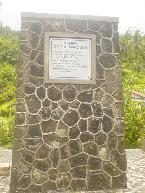
Source & credit
African roots do not imply an unchanged copy
UNESCO’s description emphasises the combination of several traditions. That gives us a useful way to understand continuity: people displaced across the Atlantic did not all share one language or ritual system, and a community could create something together. A living practice can carry ancestral connections while adapting to a new place. The evidence does not license a claim that every present song was performed in precisely the same form in eighteenth-century Portland. [1]
Land and sound belong in the same account
The heritage listing also identifies communally held treaty lands, local political organisation and the abeng, a side-blown horn used for communication. These are not interchangeable with a tourist drumming show. Land provides a community setting; communication and ritual have different uses. A visitor should ask which explanation or demonstration the community wishes to share. The term “heritage” does not give outsiders access to every ceremony or permission to record it. [1]
The mountains were part of resistance
UNESCO’s Blue and John Crow Mountains account describes trails, refuges and settlements associated with Maroons resisting colonial slavery. That landscape helps explain why a community’s inheritance includes knowledge of routes and resources as well as performance. It does not establish a safe walking route for an unaccompanied visitor today. Nor should the wider mountain history be reduced to a single village or used to assign every ceremony to Moore Town. [2]
Transmission takes work
UNESCO’s safeguarding project ran from 2005 to 2008 and included community research, interviews, training in audiovisual documentation and an inventory. The project illustrates a contemporary task: knowledge must be passed on under changing conditions. Its record is not a current event calendar or evidence that a particular workshop still operates. The people doing the teaching deserve as much attention as the sound a visitor hopes to hear. [3]
Listen with the community in view
The guide’s companion Moore Town article includes a catalogue-identified modern recording. Use it as evidence of the musicians and period actually identified, not as a recording of slavery. Compare a recorded excerpt with UNESCO’s explanation of ritual purpose. What can listening reveal—rhythm, timbre, response—and what cannot it establish without explanation? The meaning, context and rules for sharing belong with the people who maintain the practice. This article adds the continuity question to that listening journey.
Source & credit
Watch for: How speakers explain the relationship between everyday language, inherited knowledge and community identity. Compare their explanations with the UNESCO account rather than treating the film as sound recorded during slavery.
Try the history yourself
Choose three inheritances from the listing: a practice, a communication tool and a land arrangement. Explain how each depends on people maintaining it. Listen through the Moore Town companion article and note one question sound alone cannot answer.
Explore with care
Arrange any visit through community representatives and ask what can be shared, photographed or recorded. A public heritage listing is not a performance booking. Keep private ceremony, community explanation and catalogue listening distinct.