Claude McKay: Clarendon’s fields inside an international literary life
Location: Sunny Ville, Clarendon, Jamaica
Explore area in Google Maps ↗Map search for the named place or area. Arrange the actual entrance, guide meeting point and access with your host; this is not a confirmed tour departure.
Before Harlem, Claude McKay wrote Jamaican speech and work into poetry. His Clarendon beginnings lead into a life of migration, railway work, racial violence and books that carried Black experience across borders.
A writer grew up with books as well as fields
Claude McKay’s Clarendon beginnings included a farming family and access to books. The Schomburg Center’s finding aid names his parents, Ann Elizabeth Edwards McKay and Thomas Francis McKay, and describes their standing in the community. His older brother Uriah Theophilus was a teacher whose library introduced him to novels, poetry, science and political ideas. Rural Jamaica offered intellectual resources as well as material for verse. [3]
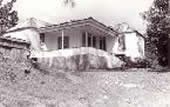
The heritage photograph identifies a birthplace in Clarendon. It gives the story a location, but a building alone cannot explain a writer’s formation. Family teaching, reading and ordinary speech matter alongside the walls. The local story is about how someone learned to notice and write, before overseas fame gave his early surroundings a commemorative role.
Source & credit
Jamaican speech reached the printed page
JNHT describes an apprenticeship in Brown’s Town and a short period in the constabulary. In 1912, McKay published Songs of Jamaica and Constab Ballads and received the Institute of Jamaica’s Silver Musgrave Medal. These were substantial Jamaican achievements before his departure for the United States. His international career did not begin with a writer who had nothing yet to say. [1]
Walter Jekyll, the British folklorist and patron, encouraged McKay’s writing in Jamaican vernacular. The relationship brought access and encouragement, but McKay supplied the voice and the observation. The two books make local work, hardship and language subjects for literature rather than incidental colour around someone else’s story. [3]
A banana poem follows the work
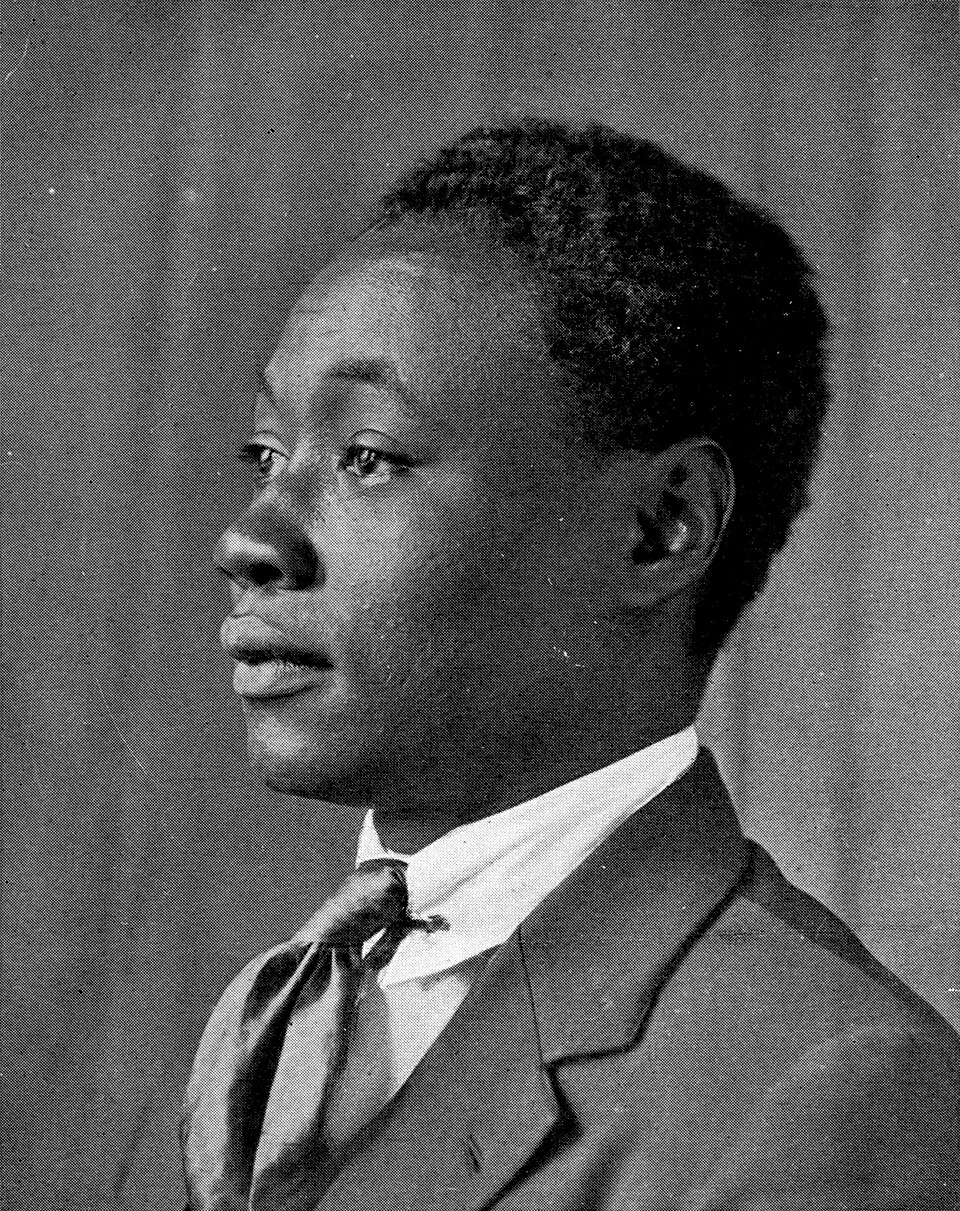
“King Banana” follows the crop through cultivation, preparation, packing and sale. Read its sequence slowly: the fruit reaching a consumer has already passed through skilled hands. My reading is that the poem asks an outside audience to recognise knowledge and effort that can disappear behind an exported commodity. [4]
Its Jamaican spelling helps carry that argument. The speaker sounds familiar with the work; the explanatory notes address readers who may not know its vocabulary. Verse and annotation sit beside each other on the page, revealing the different audiences a Jamaican book could reach. The complete poem is linked below, so readers can test that interpretation against McKay’s words. [4]
Source & credit
Migration brought new work and new dangers
McKay emigrated in 1912, studied in the United States and eventually moved to New York. His livelihood included railway dining-car work. The Schomburg account connects “If We Must Die,” published in The Liberator in 1919, with the racial violence of that summer. The poem’s defiance belongs to that concrete danger, as well as to its much wider later readership. [3]
Oxford’s reading guide explains how McKay used the inherited form of the English sonnet to confront Black oppression. The change from Jamaican dialect poems to formal English verse was not a simple climb from an inferior language to a superior one. These were different artistic choices for different experiences and audiences. [5]
Harlem was one centre of a wider life
Spring in New Hampshire appeared in 1920, followed by Harlem Shadows in 1922. London, continental Europe and North Africa also formed part of his working life. During those years he published Home to Harlem, Banjo and Banana Bottom. The last title itself brings a Jamaican place-name back into the international bookshelf. [5]
McKay’s place in the Harlem Renaissance can therefore be understood without squeezing his whole life into New York. His writing travelled between rural and urban worlds and across national borders. Return to Clarendon after reading the later poems, and the birthplace becomes more than a starting pin on a map: it opens a continuing conversation about language, work and belonging.
Sources and notes
- JNHT, Claude McKay’s Birthplace: Clarendon, apprenticeship, constabulary, 1912 books and Musgrave Medal.
- NLJ biography: useful corroboration; early employment chronology differs from JNHT. The narrative does not settle every posting or year.
- Schomburg Center, Guide to the Claude McKay Papers, pp. 3–6: family, libraries, Jekyll, migration, employment and 1919 violence. Its 1909 date for Songs of Jamaica conflicts with the 1912 bibliographical chronology; 1912 follows JNHT, Oxford and the modern NYPL literary-property record. Some catalogues give 1890 rather than 1889 for his birth; no exact birth year is asserted in this narrative.
- Toronto Metropolitan University Libraries, King Banana, Songs of Jamaica (1912): primary poem and annotations. The discussion is literary interpretation, not a plantation employment record.
- University of Oxford Faculty of English, McKay reading guide: poetic form, migration and publication sequence. Racial violence in 1919 is corroborated against Schomburg’s account; the Red Summer is not confused with the anti-communist Red Scare.