Seaford Town: the long work of making a Jamaican home
Location: Seaford Town, Westmoreland, Jamaica
Explore area in Google Maps ↗Map search for the named place or area. Arrange the actual entrance, guide meeting point and access with your host; this is not a confirmed tour departure.
German migration in 1835 began a story of land, labour and community institutions. Later records of care and hurricane recovery carry that story into the present.
For the families who reached the Westmoreland hills in 1835, Seaford Town was supposed to offer a home and a means of making a living. Much of that home still had to be built. The journey from recruitment to an established village took labour, negotiation and years of waiting for land titles. Later generations made institutions for teaching, worship and care. Their history leads into a Jamaican community’s present needs, not a village frozen around its European origins.
A settlement inside the struggle over freedom
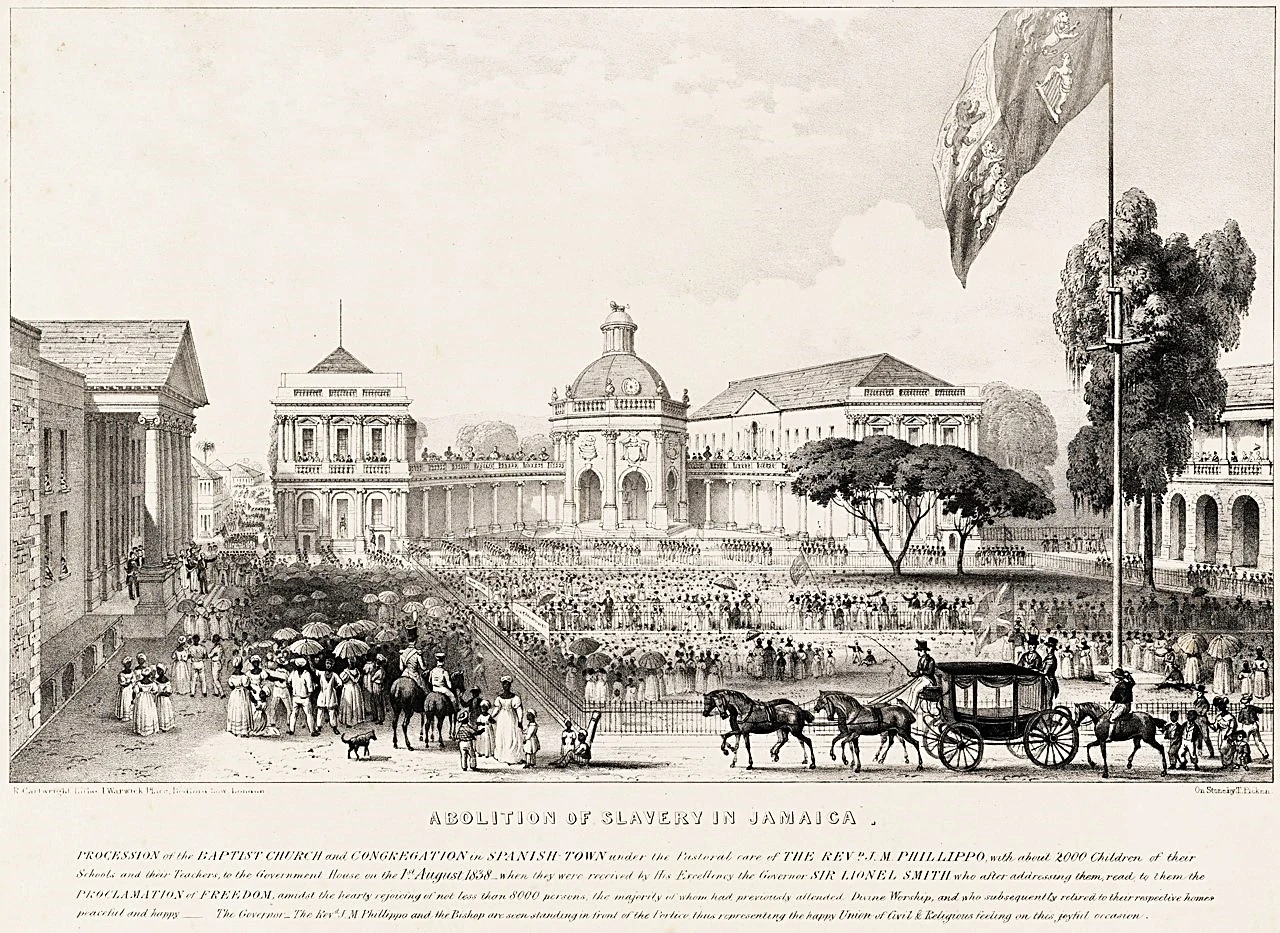
Seaford Town’s founding belongs to the unfinished emancipation process. The British abolition law took effect in 1834, but compulsory apprenticeship continued until 1838. Formerly enslaved Jamaicans were still struggling for control over their labour and family lives when European settlers arrived. Calling 1835 simply “after freedom” conceals that overlap. [1]
Source & credit
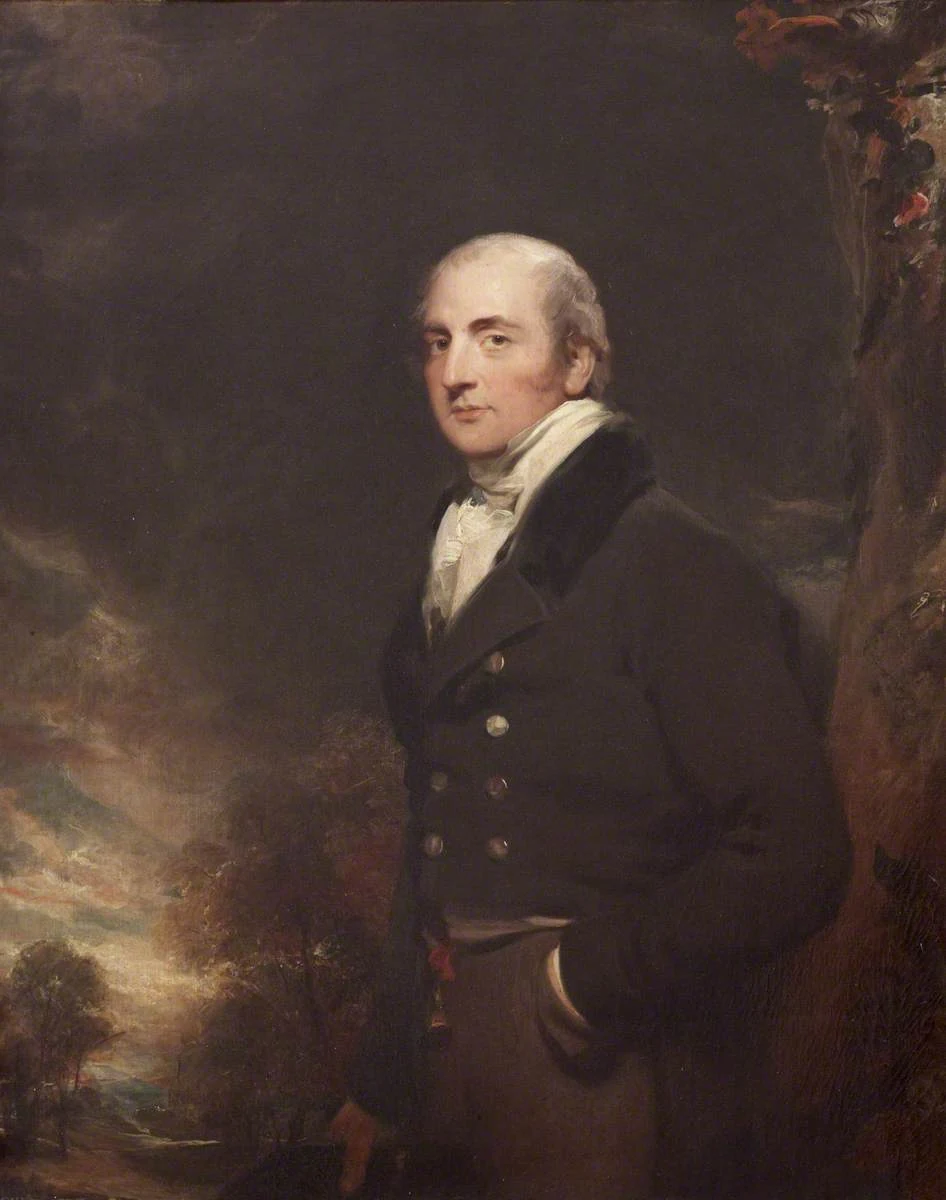
JNHT places Lord Seaford’s recruitment scheme within planters’ search for labour as slavery ended. He owned Montpelier Estate and Shettlewood Pen in St. James, while the new settlement occupied 500 acres in neighbouring Westmoreland. His title supplied its name. The geography matters: this was an estate owner’s project within a wider labour economy, not an isolated experiment in cultural preservation. [2]
Source & credit
A journey ended in more work
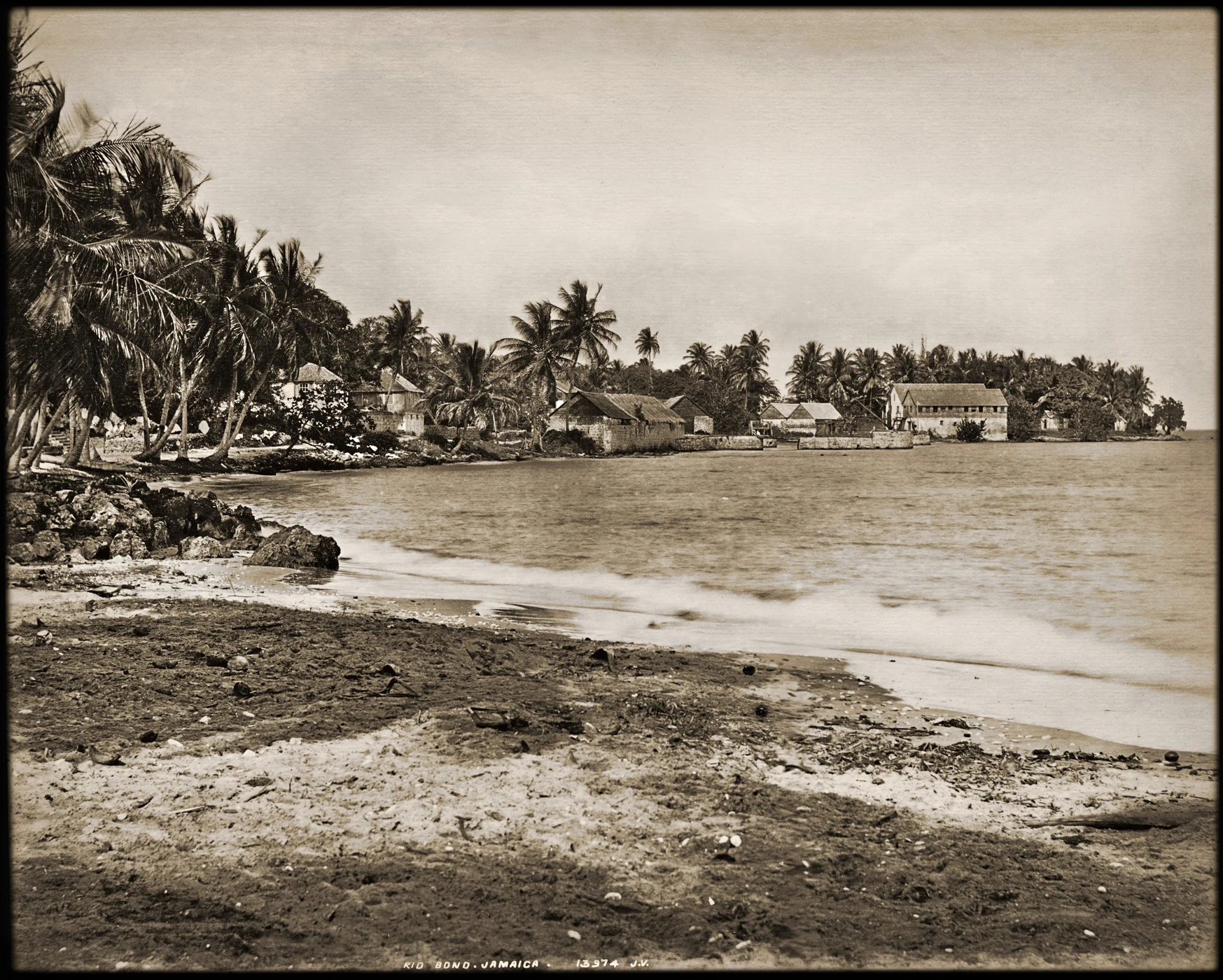
Historian Rebecca Tortello’s account describes about 250 men, women and children arriving in December 1835. Their route passed through Rio Bueno and Reading before they walked inland. Promised cottages were largely unfinished. Instead of simply moving into prepared homes, settlers had to build most of their own accommodation while learning how to make cultivation support them. [3]
Source & credit
Arrival figures need care. The Heritage Trust’s reference to more than a thousand Germans concerns migration to Jamaica, not one boatload settling here. Its separate communities record identifies Seaford’s establishment in 1835 with more than 200 settlers. These are compatible scales, rather than rival counts of a single event. The village was one part of a wider movement of people. [2] [4]
The conditions awaiting newcomers also keep the recruitment story grounded. A scheme could describe land and shelter as a future opportunity while leaving families to do the immediate work of securing both. That does not make their circumstances identical to slavery, nor does it remove the emancipation struggle of Black Jamaicans from the same landscape. The histories meet through employers, land and the question of who could choose the terms on which they worked.
Making a village required representation and land
Tortello identifies schoolmaster and catechist Johnnes Bierbusse as an informal representative for the immigrants. She dates the first land titles to 1850 and Father Tauer’s permanent Catholic mission to the 1870s. Those dates show how slowly arrival became a more secure settlement. Teaching, representation, title and a permanent place of worship were separate achievements, rather than amenities delivered all at once in 1835. [3]
The land-title date is especially revealing. A family could have a substantial history in a place before receiving the legal document that strengthened its claim to remain. The church and school story, meanwhile, shifts attention from the recruiting proprietor to the people helping residents organise daily life. Read the settlement through those relationships as well as its founding name.
Source & credit
The church lands also became a place of care
A January 1986 German-Jamaican Society bulletin preserves a different view of Seaford Town. Its mission update records the health centre’s completion in June 1984 and Dr. Kurt-Peter Ihme’s leadership from the following month. He lived in the former Sisters’ Convent. A letter he signed on 18 October 1985 appealed for medicine and equipment. These records bring a doctor’s work and a community’s practical needs into a story too often reduced to ancestry. [5]
The bulletin also describes a school-feeding programme begun in May 1985 and meals carried by children to older and disabled residents after school. Expansion at the St. Boniface Industrial Training Centre was still a plan, with subjects such as cabinet making and appliance repair proposed. This is a dated snapshot of services and ambitions. It does not establish which programmes operate today, but it shows how church, school and household life connected beyond worship. [5]
Melissa changed the meaning of an older photograph
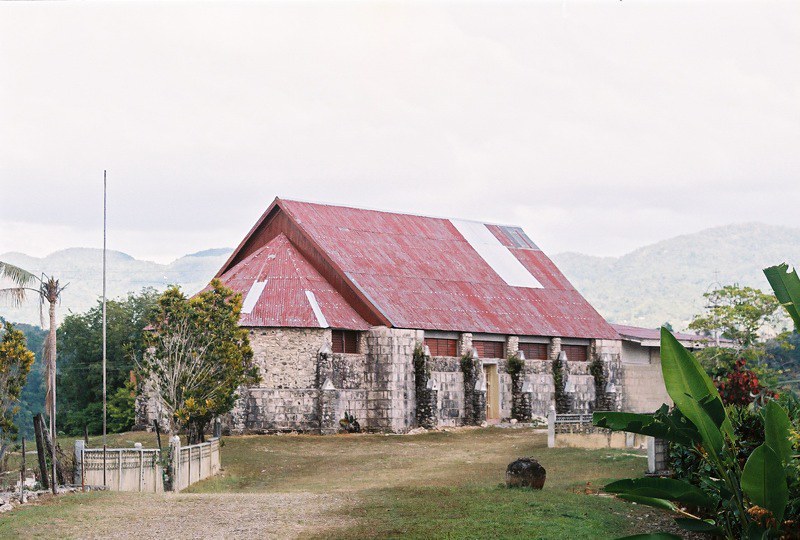
The 2006 church picture above preserves an earlier appearance. Karl-Olaf Kaiser’s firsthand relief reports for the German-Jamaican Society describe Sacred Heart without its roof in November 2025 after Hurricane Melissa. His account notes that walls remained, while their structural condition needed expert assessment. A service continued in a small room. Describing the entire church as flattened would lose both the physical distinction and the continuation of worship. [6]
The reports trace particular steps rather than instant recovery: cleanup at the schools, temporary tarpaulin protection and an infant school reopening reported in December. Catholic Relief Services independently described the church’s severe damage in January 2026. These dated accounts explain why a handsome pre-storm photograph cannot serve as a current visitor-access check. [6] [7]
Recovery has a more recent household chapter. In a 27 July 2026 announcement, Angostura and the Seprod Foundation reported handing a completed Seaford Town house to the Simpson-Whyte family, whose earlier home had been destroyed. The announcement describes a move from temporary shelter into a new home. It documents that particular project; it does not establish that every damaged building or community facility has reopened. [8]
Visit a living community, with a current arrangement
The strongest way to understand Seaford Town is to keep these periods together: recruitment, difficult settlement, landholding, institutions and rebuilding. German origins are part of the story, while residents’ Jamaican lives extend far beyond an ancestry label. The portraits and historical port view here provide context; they cannot substitute for residents’ own accounts. The National Library’s linked aerial record offers another historical view of the settlement, with Sacred Heart identified, but gives no verified capture date. [9]
Confirm museum reopening, the church’s structural safety and current visitor arrangements directly with the community. Arrange interpretation directly with the community before travelling. A responsible visit can support local knowledge without treating a damaged institution as an open attraction or residents as exhibits. The question to carry into the hills is how people made and sustained a home here, and what they need to sustain it now.
Sources and notes
- UK Parliament, The West Indian colonies and emancipation: abolition legislation, 1834 commencement and apprenticeship ending in 1838.
- Jamaica National Heritage Trust, Seaford Town: recruitment context, proprietor, 500 acres and wider German migration; undated record does not establish present condition.
- Rebecca Tortello, Pieces of the Past: The Arrival of the Germans (2004): approximate first group, journey, unfinished housing, Bierbusse, 1850 titles and 1870s mission. Historical synthesis citing Douglas Hall and other listed research.
- Jamaica National Heritage Trust, Special Communities: 1835 Seaford settlement and more than 200 German settlers.
- German-Jamaican Society, Jamaika Bulletin 22 (January 1986), printed pp. 11 and 14 (PDF pp. 13 and 16): Dr. Kurt-Peter Ihme’s letter of 18 October 1985 and Seaford Town mission update. Contemporary community record; programmes and plans are not present-day claims.
- Karl-Olaf Kaiser, German-Jamaican Society firsthand relief reports, November–December 2025: church roof loss, surviving walls, school damage and initial recovery. Copyrighted photographs remain on the publisher’s page.
- Catholic Relief Services, 8 January 2026, Empowering Communities in Jamaica After Hurricane Melissa: corroborating account of damage at Sacred Heart.
- Angostura, 27 July 2026: project partners’ account of a completed recovery house handed to the Simpson-Whyte family; not evidence that other facilities reopened.
- National Library of Jamaica, Seaford Town aerial view, D0008309: Sacred Heart identified; capture date not supplied. View at source; reproduction permission not established.
- National Trust Collections, object 851750: Charles Rose Ellis, first Baron Seaford, by Thomas Lawrence, dated 1829–30.
- picbipic, Roman Catholic Church, Seaford Town: 7 January 2006 capture; historical pre-Melissa view displayed through Flickr’s supplied embed, all rights reserved.
Historical and image records reviewed 26 October 2026. Image dates describe the photographed or published view, not present conditions. Current access must be confirmed directly.