JAMAICA, RECONSIDERED · 6 OF 19 · CORRECTION OF OMISSION
Coral Gardens: the crackdown and the long wait for an apology.
In 1963, a violent confrontation at Coral Gardens was followed by a wider crackdown on Rastafarians. Survivors described detention, beatings and forced trimming of their locks. Jamaica’s government formally apologized in 2017.
In 1963, soon after Jamaica became independent, Rastafarians were rounded up and abused by agents of the new state. The crackdown followed a violent confrontation at Coral Gardens in St. James. Detention, beatings and the forced cutting of locks became part of survivors’ accounts and of the government’s later acknowledgment. [2] [5]
For decades, survivors and their supporters kept this history before the country. In 2017, the government formally apologized. That sequence is missing when Rastafari appears only as the country’s familiar image of locks, drums and reggae. [4] [5]
A confrontation became collective punishment
The government’s account describes an initial clash in which civilians and a policeman were killed. It also acknowledges the wider abuse of Rastafarians that followed. These are connected events, but the first does not establish the guilt of everyone targeted in the second. [5]
The distinction is simple: a person’s identity is not evidence that they committed a crime. A history told only as a clash followed by the restoration of order can conceal what happened to people who were punished because they were Rasta.
Survivors insisted on telling the story
The documentary Bad Friday: Rastafari after Coral Gardens follows memory and commemoration in western Jamaica. Deborah A. Thomas, John L. Jackson Jr. and their collaborators helped bring survivors’ accounts to a wider audience. A Penn account describes an elder’s suggestion that the experience should be put on film. [2] [7]
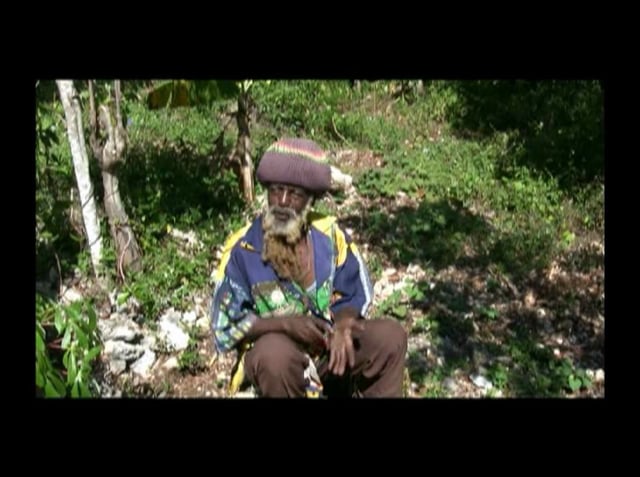
Source & credit
The trailer is an introduction to the documentary, not footage of the 1963 events. It allows viewers to encounter the later telling of this history. The full film offers a longer treatment; the trailer cannot stand in for all of its testimony. [3]
The state changed its account
The 2017 apology recognized injustice and discrimination and committed the government to preventing comparable abuse. JIS connected the response with the Public Defender’s recommendations. An official acknowledgment matters when people have spent years trying to have their experiences recognized. [4] [5]
An apology also raises a practical question: what followed? A promise of remedy is not proof that every measure was completed. The sources here establish the acknowledgment and announced response; they do not establish that every survivor’s claim was resolved.
Culture and citizenship are different tests
Rastafari could become admired abroad while Rastafarians faced discrimination at home. Cultural recognition tells us little, by itself, about protection from police abuse or equal treatment. Thomas’s research asks us to look at the institutions and decisions behind violence rather than explain it as a trait of Jamaican people. [1]
Remembering is part of the story
A 2013 UWI programme with the Rastafari Coral Gardens Committee brought university discussion, survivor perspectives and a screening together. It is one example of the sustained work of commemoration, rather than an upcoming event. [6]
For a visitor, the first task is to listen. A cultural symbol becomes more meaningful when we know something about the people who lived behind it, including the treatment they challenged and the recognition they sought.
Look again
Watch the documentary trailer and read the official apology. What abuse does the government acknowledge, and what remedies does it promise?
Scholarship and evidence
- Thomas, D. A. (2011). Exceptional Violence: Embodied citizenship in transnational Jamaica. Duke University Press. Publisher’s summary of the scholarly argument. ↩
- Thomas, D. A., Jackson, J. L., Jr., & collaborators. (2011). Bad Friday: Rastafari after Coral Gardens. University of Pennsylvania film and event record. University film description: production, language and survivor-memory focus. ↩
- YardVibes. (2011, December 4). Bad Friday: Rastafari after Coral Gardens Official Trailer. Vimeo. Title, uploader, date and 168-second duration verified with Vimeo’s oEmbed record; trailer is distinct from the complete film. ↩
- Jamaica Information Service. (2017). Statement: PM Holness apologises for 1963 Coral Gardens incident. Official statement identified through indexed text; direct automated retrieval failed. ↩
- Jamaica Information Service. (2017). Government apologises to victims of Coral Gardens. Official account of apology and Public Defender recommendations; Official full account consulted through the retrieved JIS text. ↩
- UWI Mona. (2013). Western Jamaica Campus to explore Bad Friday: The Coral Gardens incident, fifty years forward. University/community programme links commemoration, survivor perspectives and the documentary. ↩
- McWilliams, J. (2011). Bad Friday film chronicles Coral Gardens incident. Penn Today. Contemporary account of filmmaking and the emerging investigation; its pre-apology status is not presented as current. ↩