JAMAICA, RECONSIDERED · 7 OF 19 · COMPLICATION
Jamaican music was never sealed off from the world.
Imported records, local rhythms, sound-system dances and recording studios helped Jamaicans make new sounds. Mento, ska, rocksteady, reggae and dancehall have connected histories, with many more makers than one famous frontman.
Before a Jamaican recording reached an overseas listener, many people had helped make it possible. Musicians played, selectors chose records, operators carried and amplified sound, and studios turned performances into recordings. The history is larger than a succession of famous singers. [2]
It also reaches beyond the island. American records, Caribbean styles and Jamaican traditions met in local dances and studios. The originality lay in what people did with those connections, rather than in keeping every outside influence away. [4]
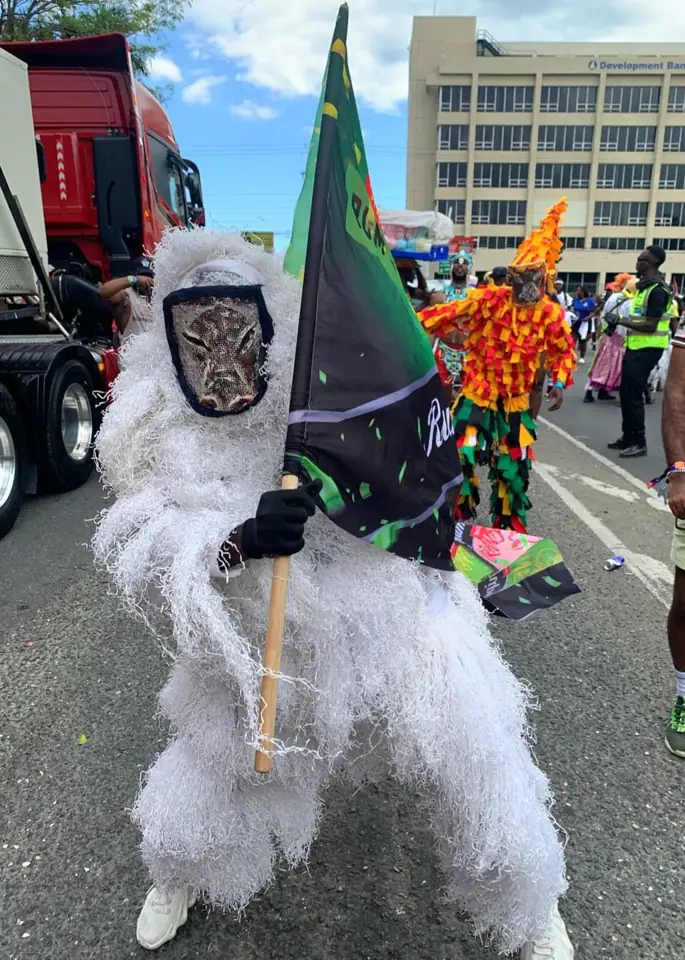
When mento was sold as calypso
Mento is Jamaican; calypso has a distinct Trinidadian history. Yet tourist marketing and record labels sometimes blurred the names. Daniel Neely’s research examines how Jamaican performers were presented through labels and images familiar to overseas buyers. [1] [6]
A sleeve can therefore tell two stories: something about the performance, and something about how a seller wanted buyers to recognize it. The label should not erase the musicians’ own work or turn two traditions into one.
Source & credit
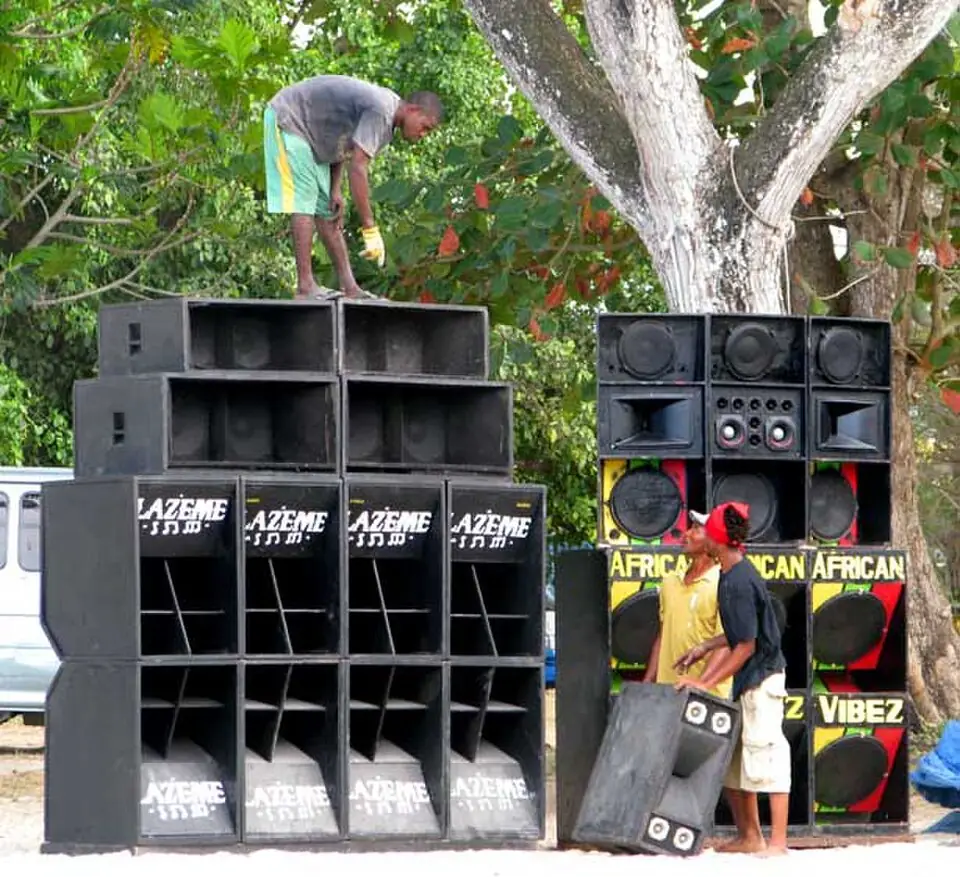
The sound system changed the setting
Sound systems brought recorded music to dancers through powerful amplification and carefully chosen selections. The ACIJ/Jamaica Memory Bank account connects imported American records, local operators and recording activity with the development of ska. Mento, jazz and rhythm and blues all belong in that account. [2]
This was practical work as well as musical invention. People needed equipment, transport, a place to play and an audience. Competition over what dancers wanted to hear helped shape the setting in which new music was made.
Source & credit
Look behind the studio door
Andrew Jones’s account of the “Far East Sound” draws attention to Hakka Chinese entrepreneurs, musicians and producers in Jamaican music. Their roles connect shops, studios, technology and migration. Chinese Jamaican history belongs inside the musical story, rather than in an unrelated list of businesses. [3]
That does not transfer credit away from Black Jamaican musicians and communities. Playing, composing, financing, engineering and distributing are different contributions. A fuller history names the work rather than giving an entire genre to the person who owned a studio or appeared on a cover.
Older sounds had their own occasions
The 1921 Roberts–Beckwith recordings preserve identified performances from an earlier Jamaica. Their date tells us when those recordings were made, not when the traditions began. Mrs Swabie’s Jonkonnu song offers one specific encounter with that history. [7]
Louise Bennett’s later Linstead Market performance gives voice to a seller’s disappointing day. It is storytelling and interpretation through song, not a neutral sample of every Jamaican voice. Explore the market and song → [5]
Marley belongs in a bigger story
Bob Marley, Peter Tosh and Bunny Wailer helped carry Jamaican music to international audiences. Their achievement did not depend on inventing every practice reggae drew upon. The ACIJ overview places them within a larger history; UNESCO likewise recognizes reggae’s Jamaican roots and wider influences. [2] [4]
Mento, ska, rocksteady, reggae and dancehall are useful names for listening. They are not a relay in which each style vanishes when the next arrives. Musicians, audiences and practices overlap. Hearing those connections makes Jamaican creativity more impressive, not less.
Look again
Compare the identified 1921 song with a later performance in the listening room. Who is performing, for what occasion, and what work lies behind the sound?
Scholarship and evidence
- Neely, D. T. (2014). Modern mento: The emergence of native music in Jamaica tourism. In T. Rommen & D. T. Neely (Eds.), Sun, Sea, and Sound. Oxford University Press. Publisher abstract on tourist marketing, genre labels and musical creativity. ↩
- African Caribbean Institute of Jamaica / Jamaica Memory Bank. The evolution of music in Kingston, Jamaica. Institutional account consulted for the broad relationships among mento, sound systems, jazz/R&B and reggae. Its shorthand chronology is not treated as a complete scholarly genealogy. ↩
- Jones, A. The Far East Sound in Jamaica. Columbia University, Institute for Comparative Literature and Society. Scholar’s lecture abstract, indexed text consulted: Hakka Chinese producers, musicians, technology and migration. Lecture itself not viewed. ↩
- UNESCO. (2018). Reggae music of Jamaica, ICH nomination 01398 and inscription decision 13.COM 10.B.18. Indexed institutional text consulted: Jamaican, Caribbean, North American and Latin influences. Automated live page access encountered a verification wall. ↩
- Smithsonian Folkways. (1954). Louise Bennett: Jamaican Folk Songs. Album and performer identification: song performance is distinct from spontaneous conversational speech. ↩
- Jamaica Information Service. Mento. Indexed institutional description distinguishes mento from Trinidadian calypso. ↩
- Indiana University Libraries. Roberts–Beckwith Jamaica Collections. Institutional context for the guide’s identified 1921 recordings; a surviving recording is not the date a tradition began. ↩