JAMAICAN HISTORY · PHOTOGRAPHS AND THE RECORD
Morant Bay, 1865: the people behind the portraits
Meet the parish officials, volunteers, politician and Jamaican communities pictured in Princeton’s Gulland album, and follow their places in the courthouse violence, military suppression and aftermath of 1865.
On 11 October 1865, the courthouse at Morant Bay became the centre of a confrontation between protesters and the local authorities. The militia opened fire, the courthouse was burned, and officials, volunteers and members of the crowd were killed. The portraits in Princeton’s Gulland album put faces beside that history. [courthouse]
Princeton’s curatorial account identifies a portrait of George William Gordon, military officers, Jamaican Maroons and people whose names were not recorded. The album is catalogued 1860–1880; its Morant Bay sequence centres on the events of 1865. [curator]
The people killed at the courthouse
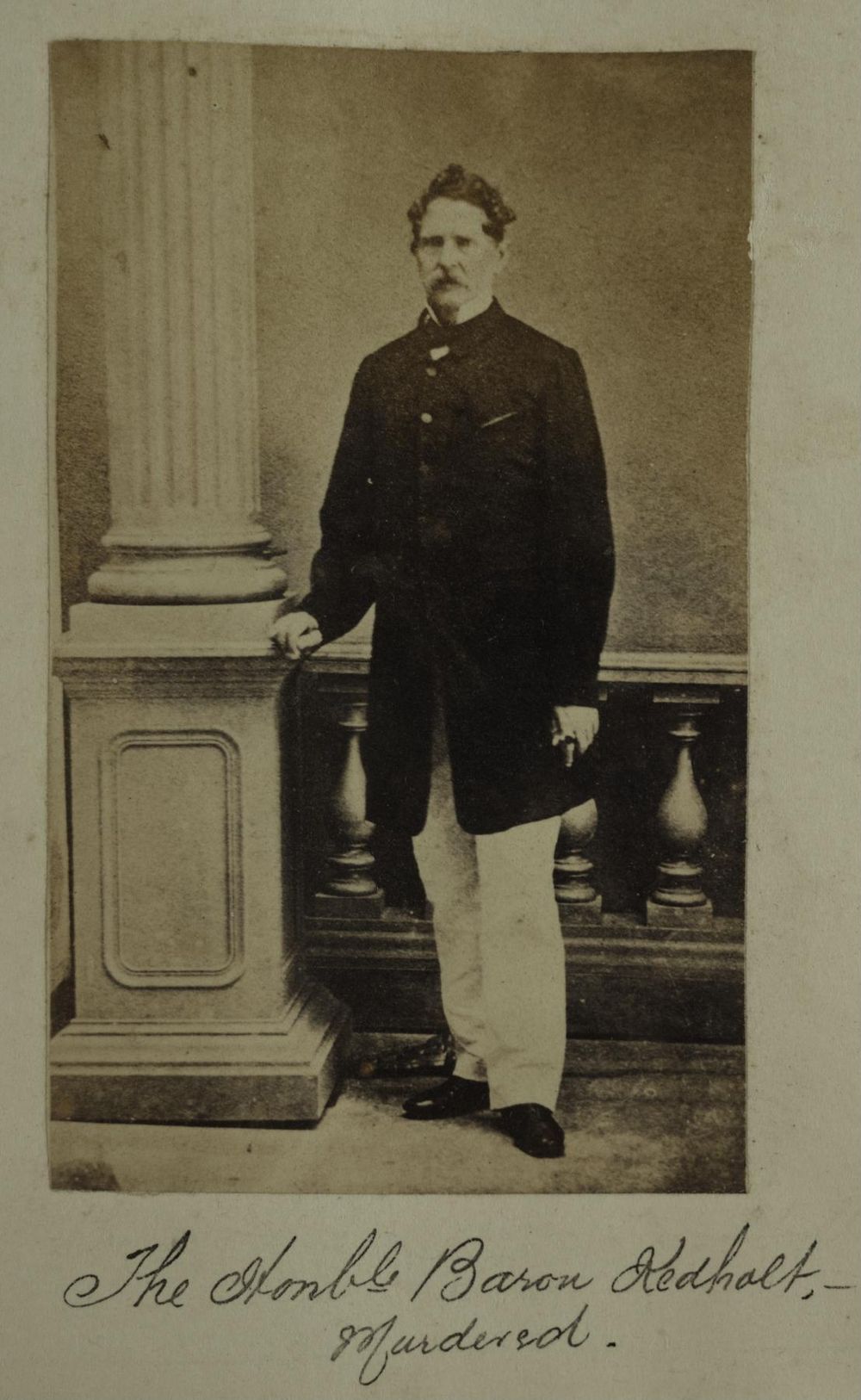
Baron von Ketelhodt: the parish’s senior authority
As Custos of St. Thomas-in-the-East, Ketelhodt stood at the head of local government. He addressed the approaching crowd at the courthouse and was killed during the violence that followed. His portrait connects the event to the parish offices, courts and vestry against which protesters directed their grievances. [courthouse]
Source & credit
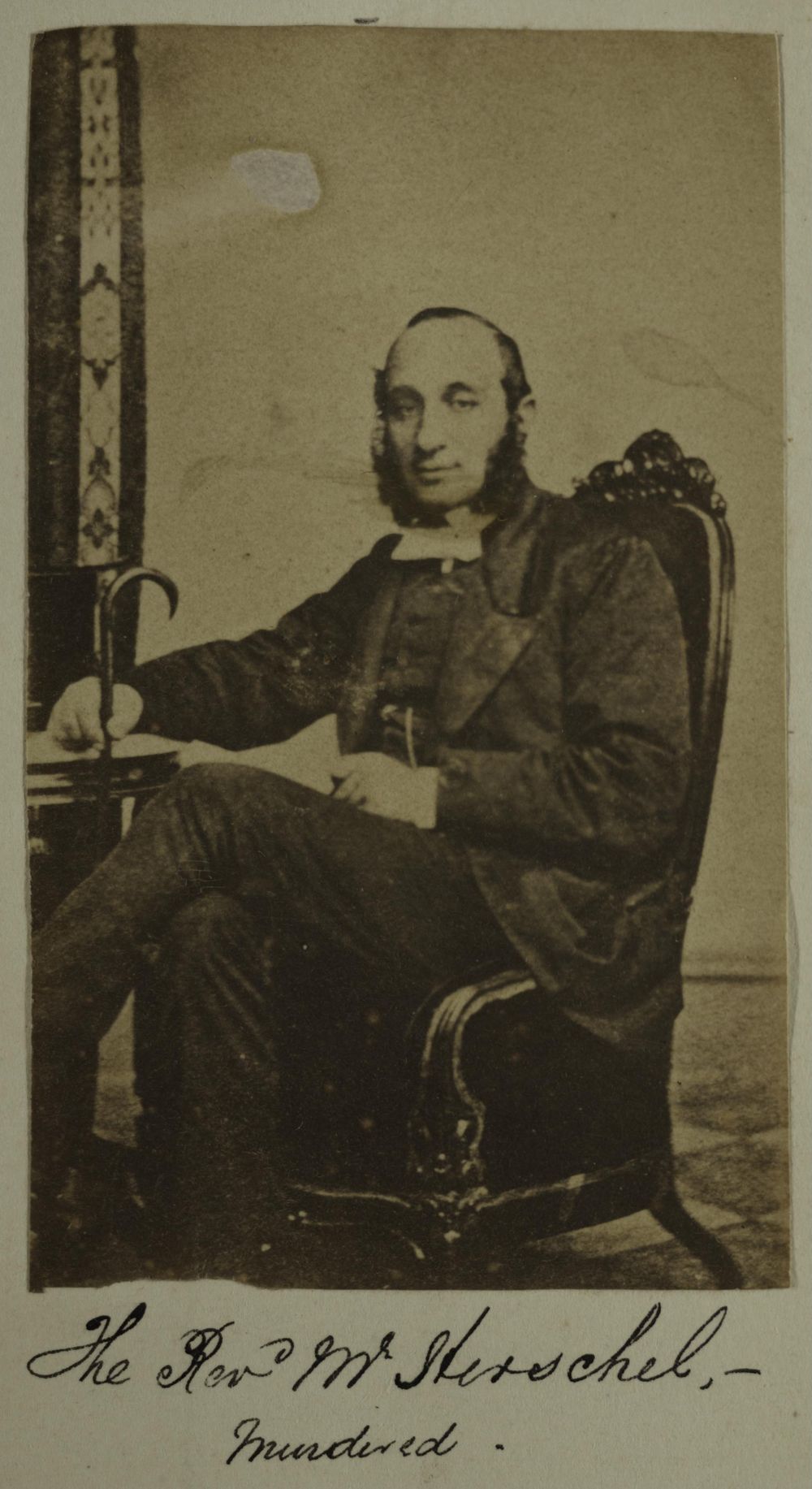
Victor Herschell: a Bath clergyman in the confrontation
Herschell, the island curate of Bath, was among those killed on 11 October. The official casualty return names him alongside Ketelhodt and the volunteer officers. His presence places the established church within the social and political world gathered at the courthouse. [papers]
Source & credit
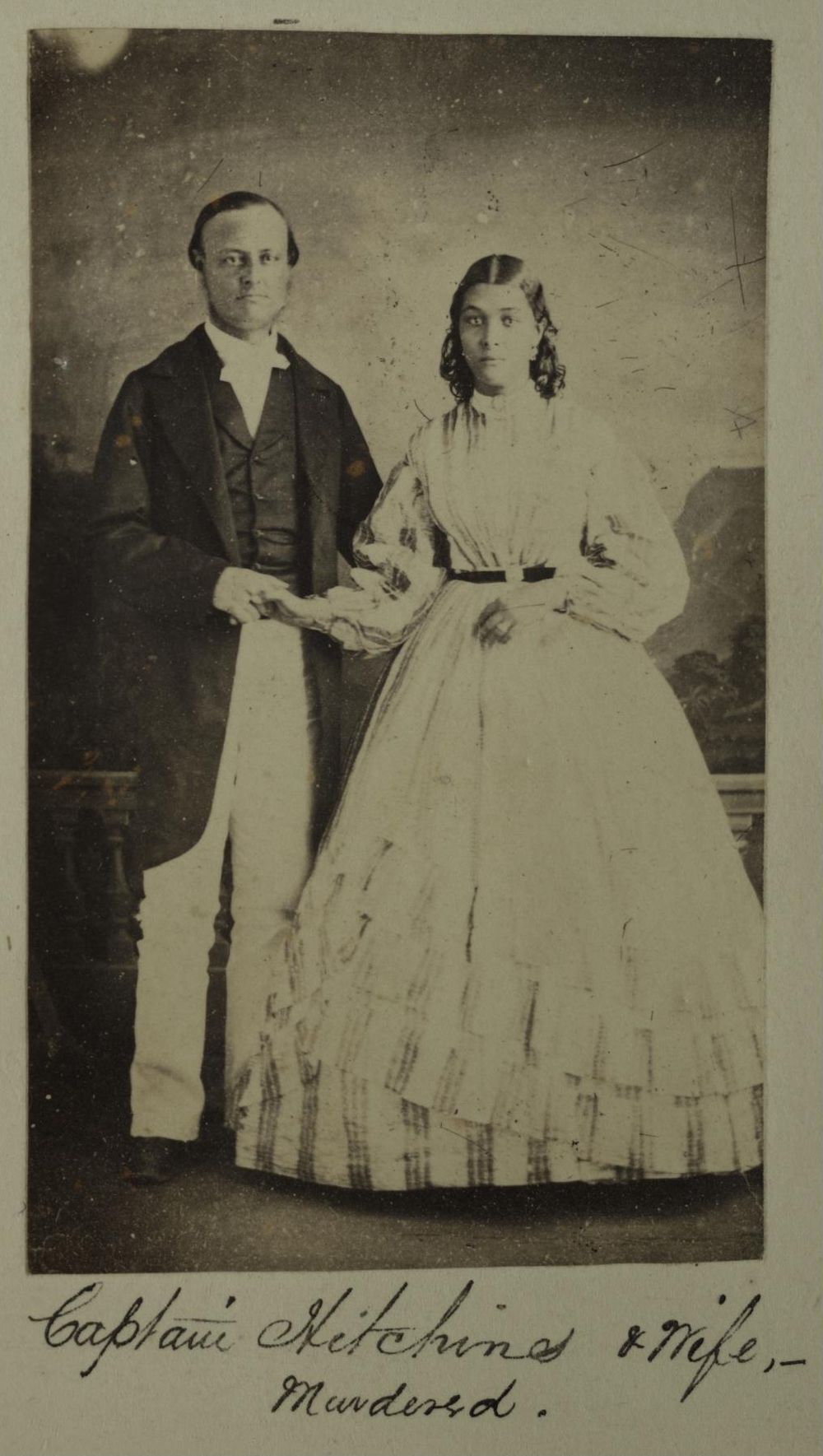
Captain Hitchins: the volunteers from Bath
Hitchins commanded the volunteer company sent from Bath to Morant Bay. The casualty return lists him, Lieutenant Hall and Lieutenant Reed among the dead. The album’s paired portrait shows Hitchins with his wife; the account of his command and death comes from the contemporary records. [papers]
Source & credit
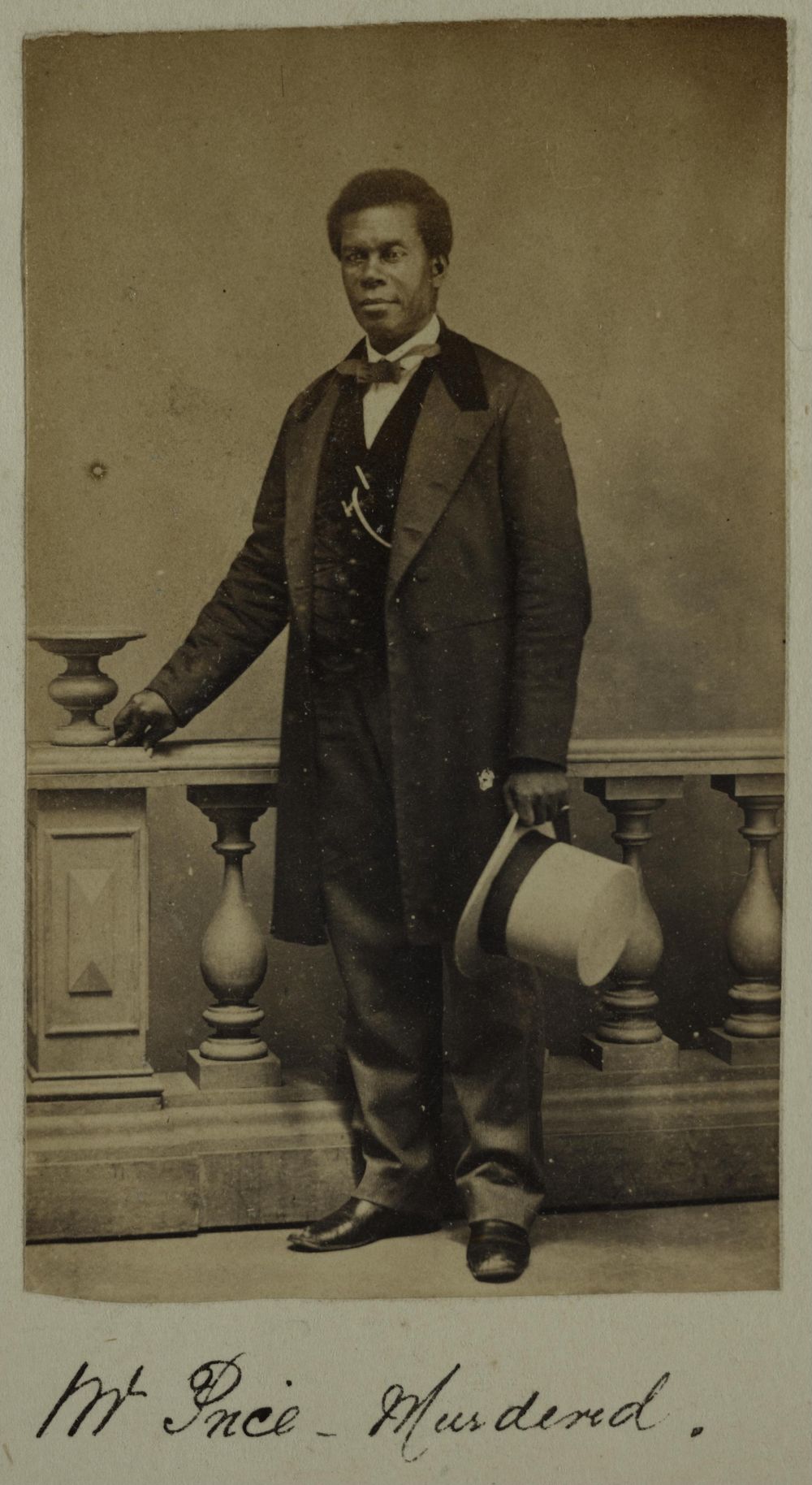
Charles Anthony Price: a Black former assemblyman
The casualty report names Charles Anthony Price among those killed. Dr Edward William Major, a survivor, describes Price as a Black former member of the House of Assembly. His presence complicates a simple account of two opposing racial blocs: status, political ties and loyalties also shaped the confrontation. [papers] [major]
Source & credit
Other lives in the album’s memorial sequence
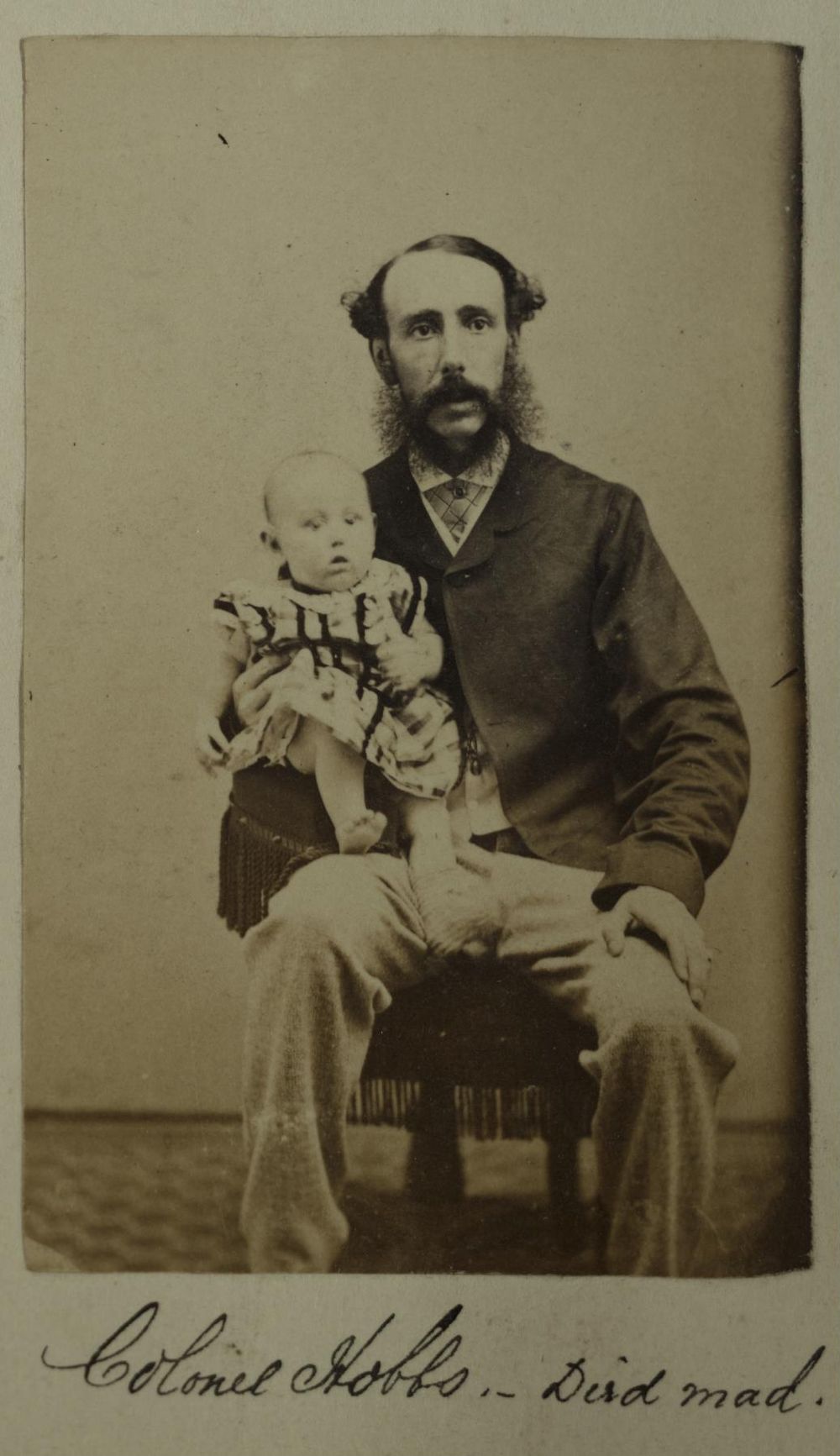
Cook, Hare, the man captioned “Wilton”, Mrs Herschell and Colonel Hobbs appear in the same sequence. Their portraits extend the album’s record beyond the four people discussed above; the original names and descriptions remain with each image.
Explore five further portraits in the memorial sequence
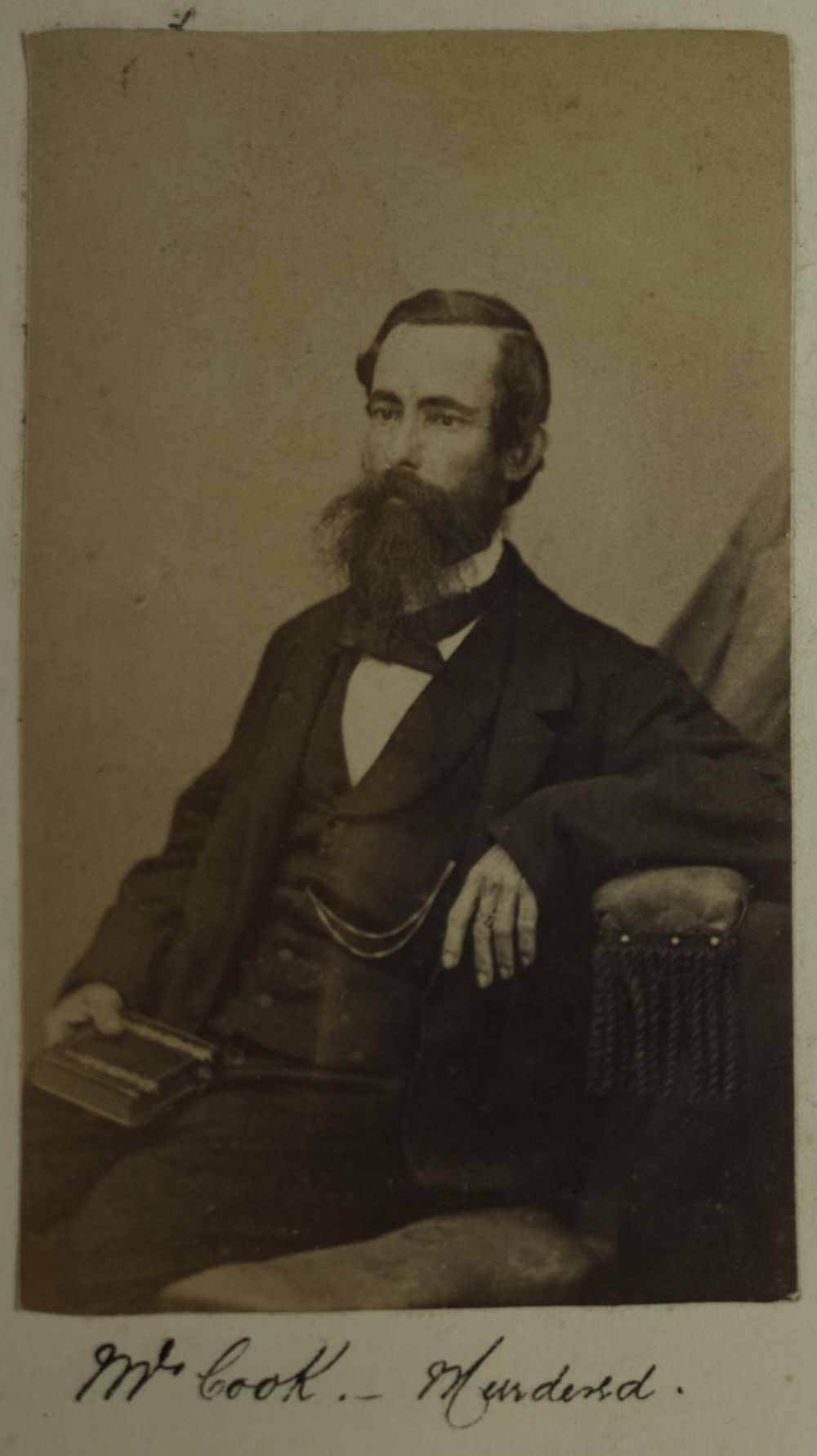
Source & credit
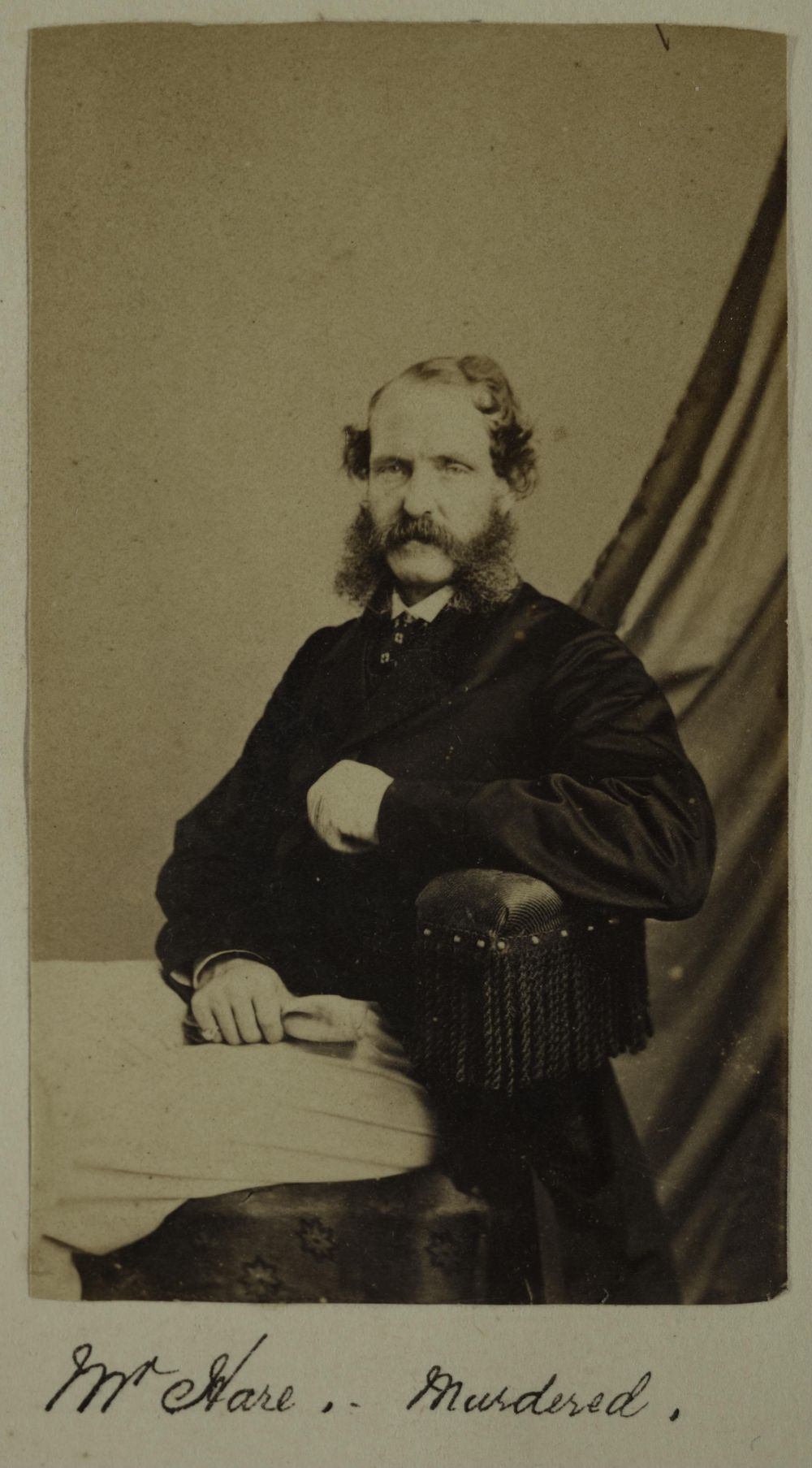
Source & credit
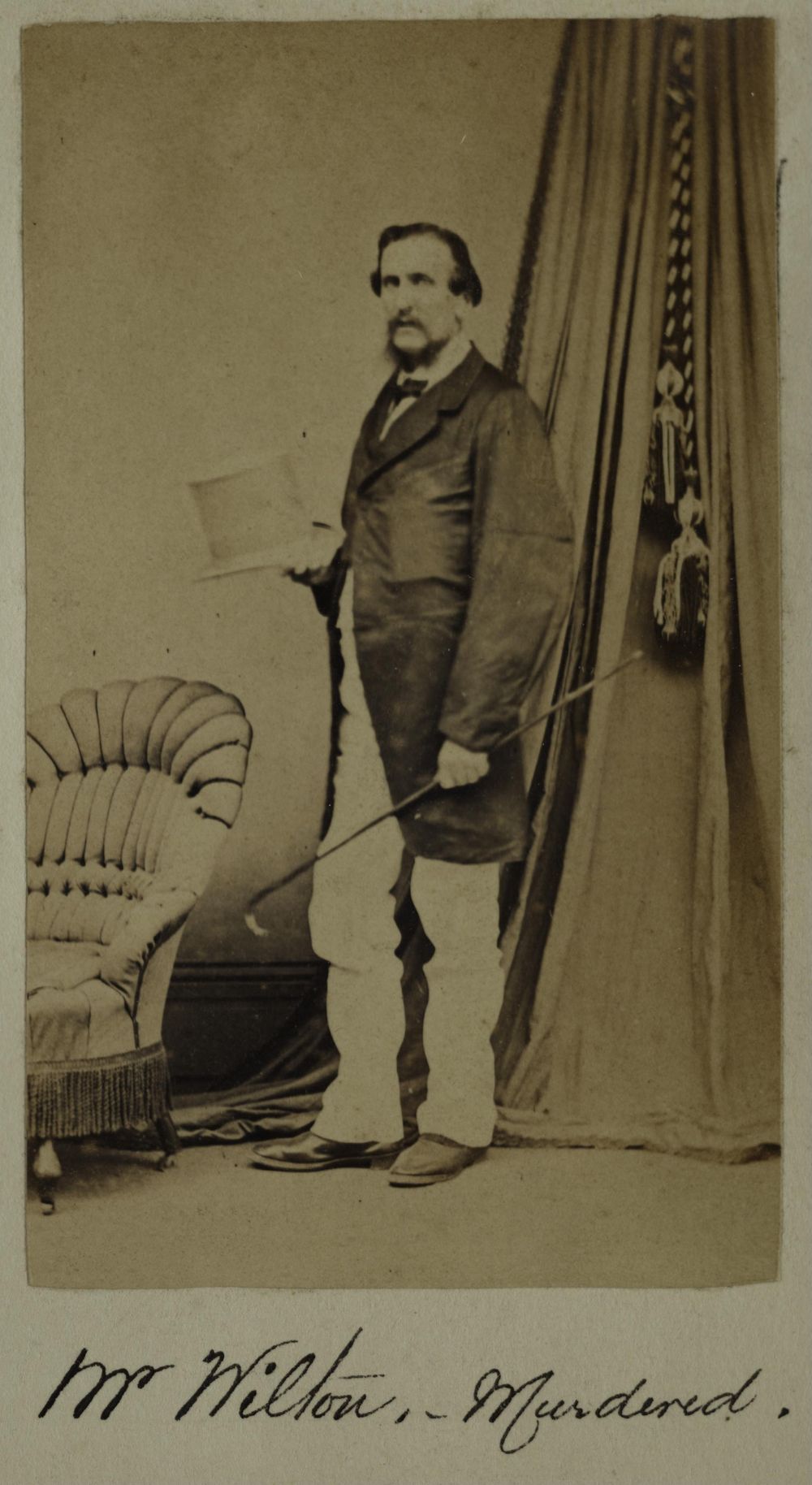
Source & credit
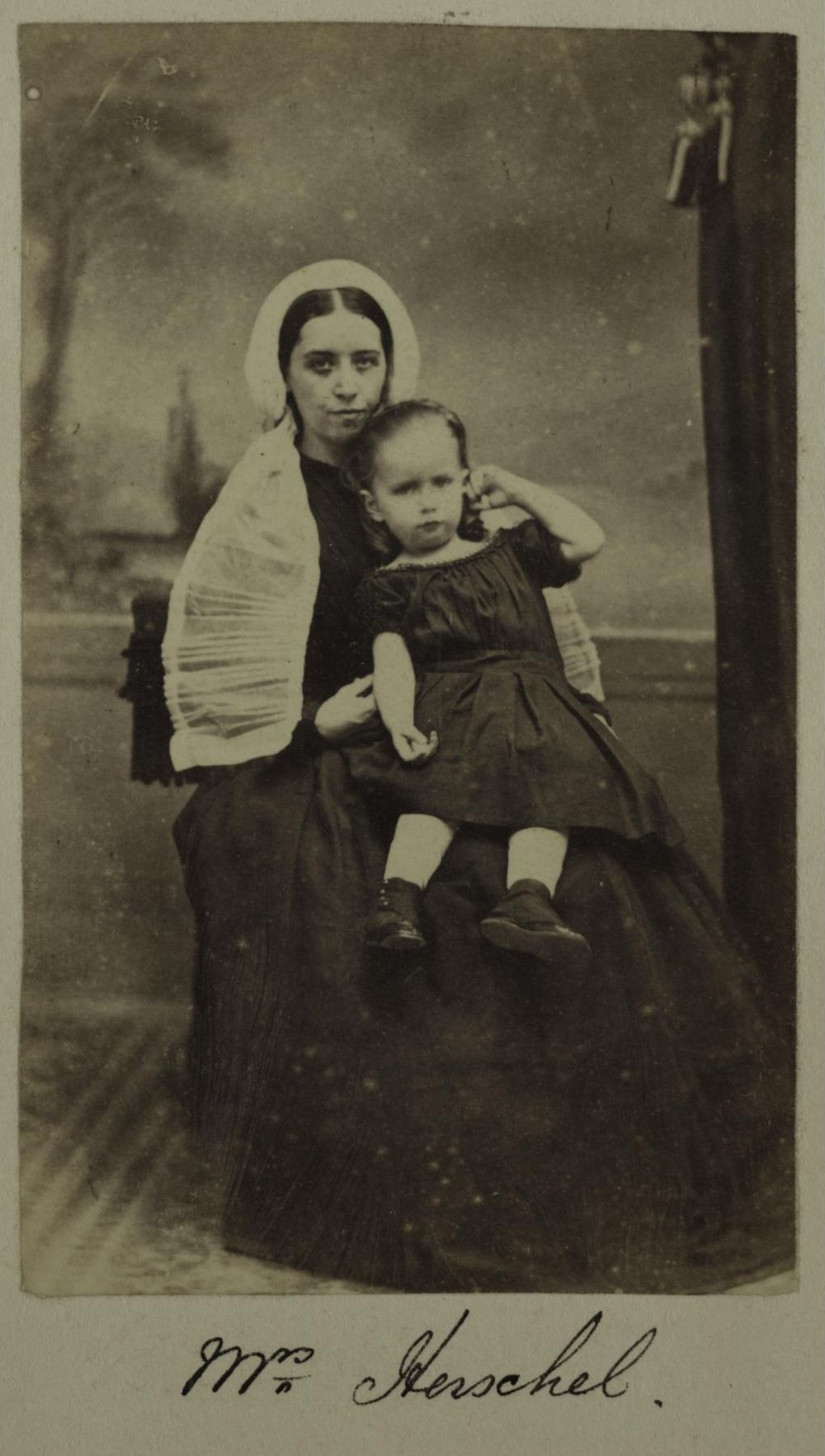
Source & credit
Source & credit
George William Gordon: the later execution
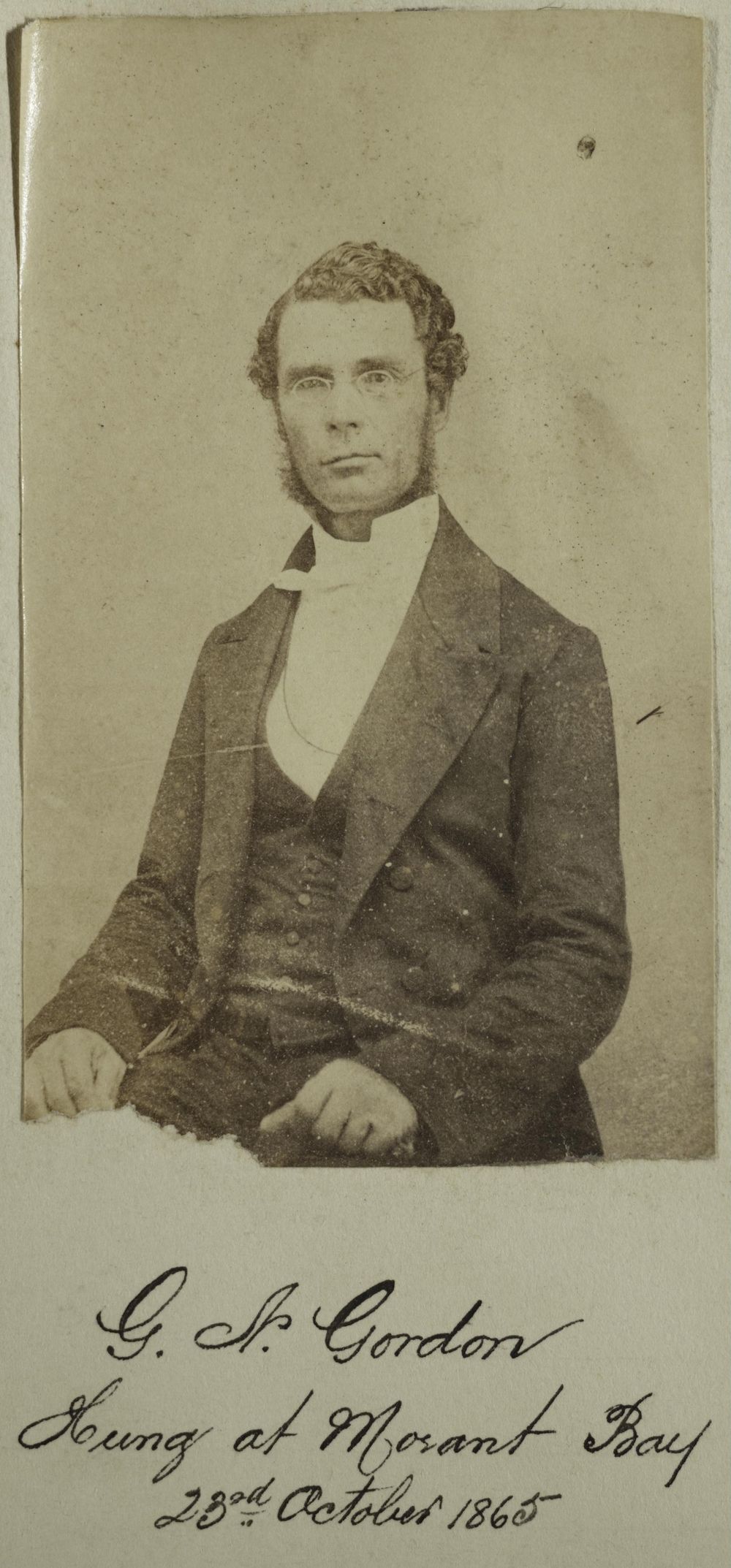
Gordon’s death belongs to the suppression that followed the courthouse confrontation. The politician was taken from Kingston to Morant Bay, tried by court martial and executed on 23 October 1865. Princeton identifies this as his portrait. The album catalogue transcribes the initials as “G. A. Gordon”; Princeton’s curatorial account identifies George William Gordon. His letters to Lucy, printed in 1867 with the signature “G. W. Gordon,” add his own family correspondence to the portrait’s historical context. Read the letters and family history → [curator] [3]
Source & credit
Read the Morant Bay investigation for the inquiry and controversy, and the Gordon family history for the wider story.
The military command behind the suppression
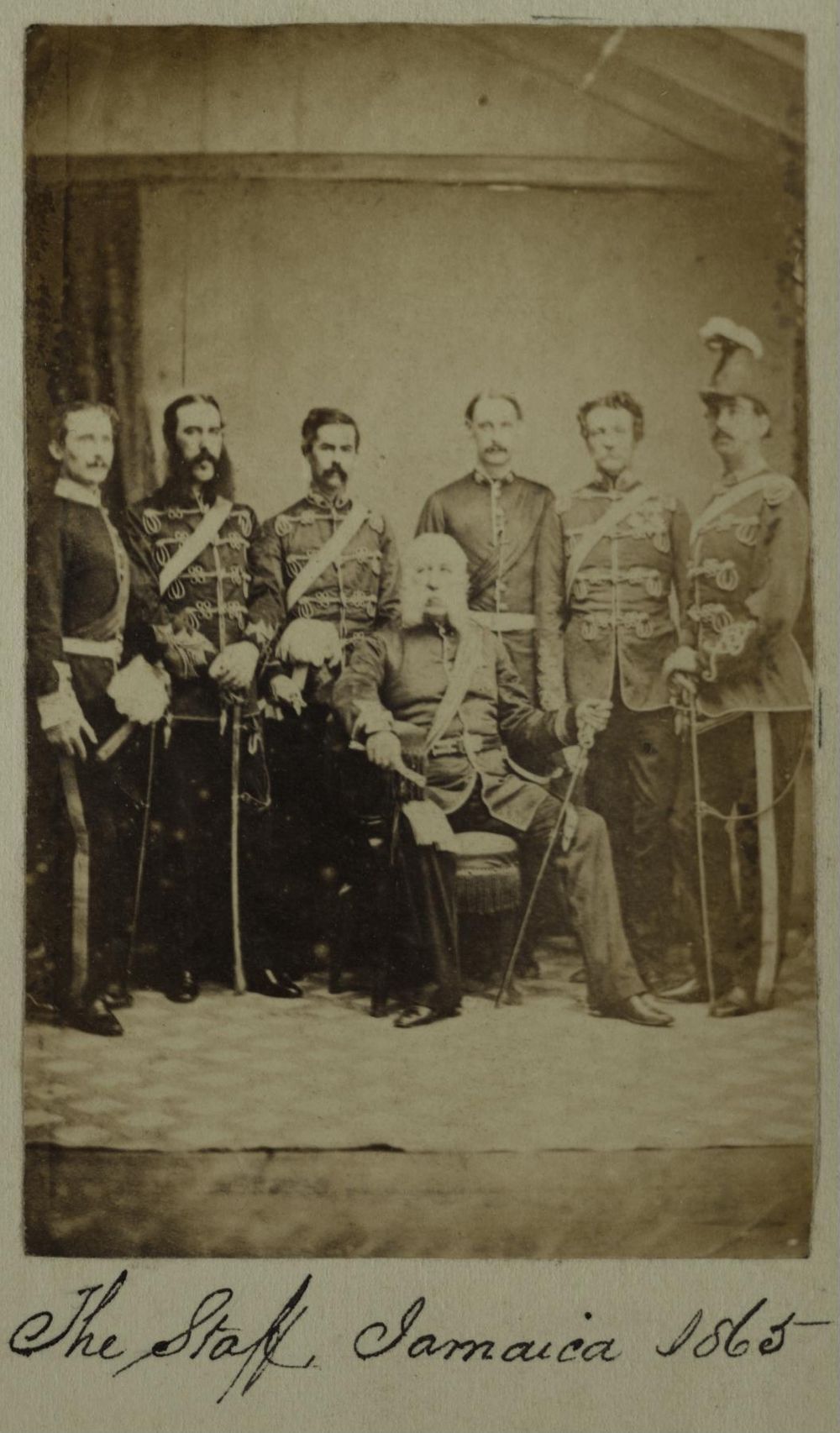
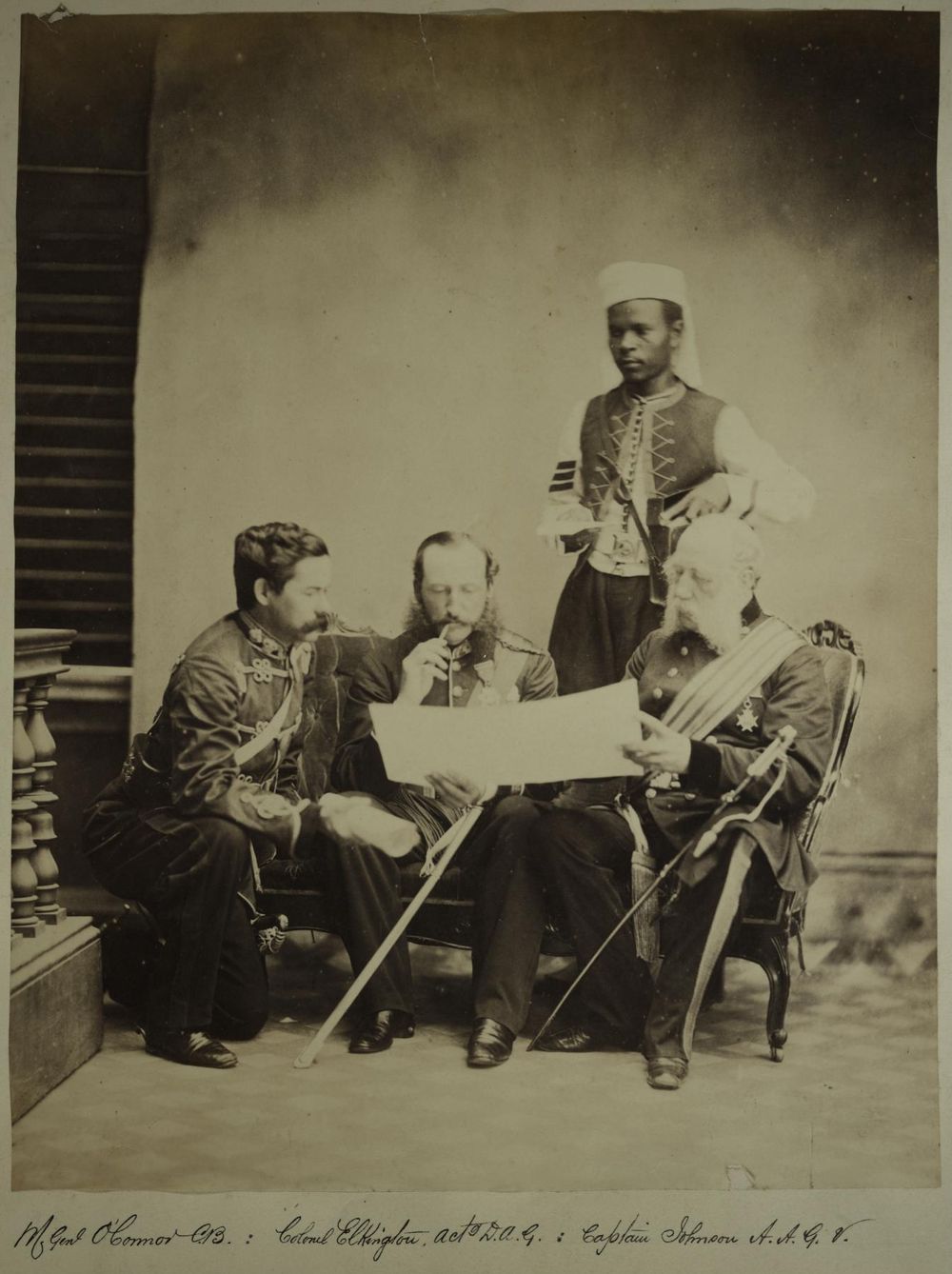
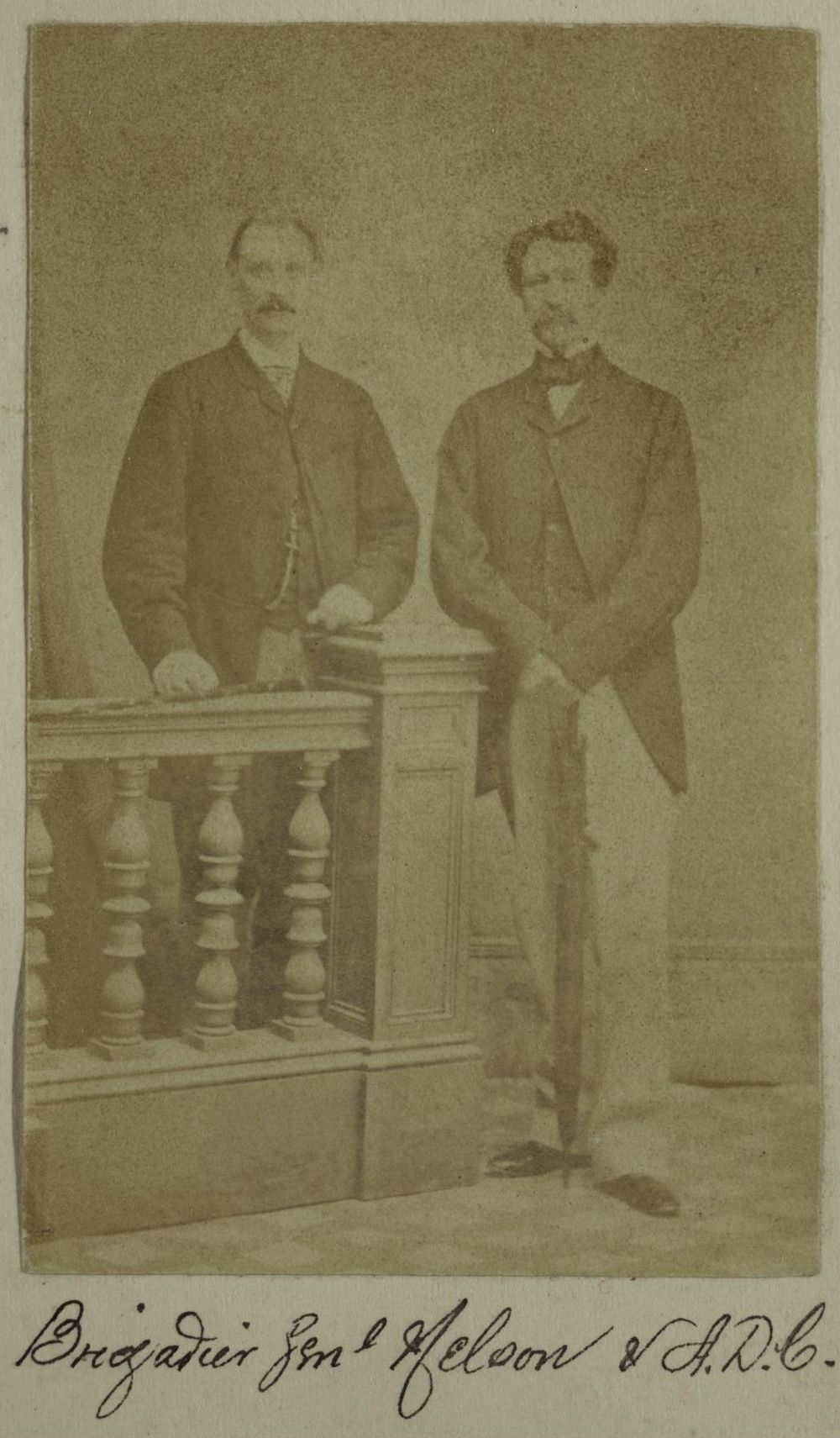
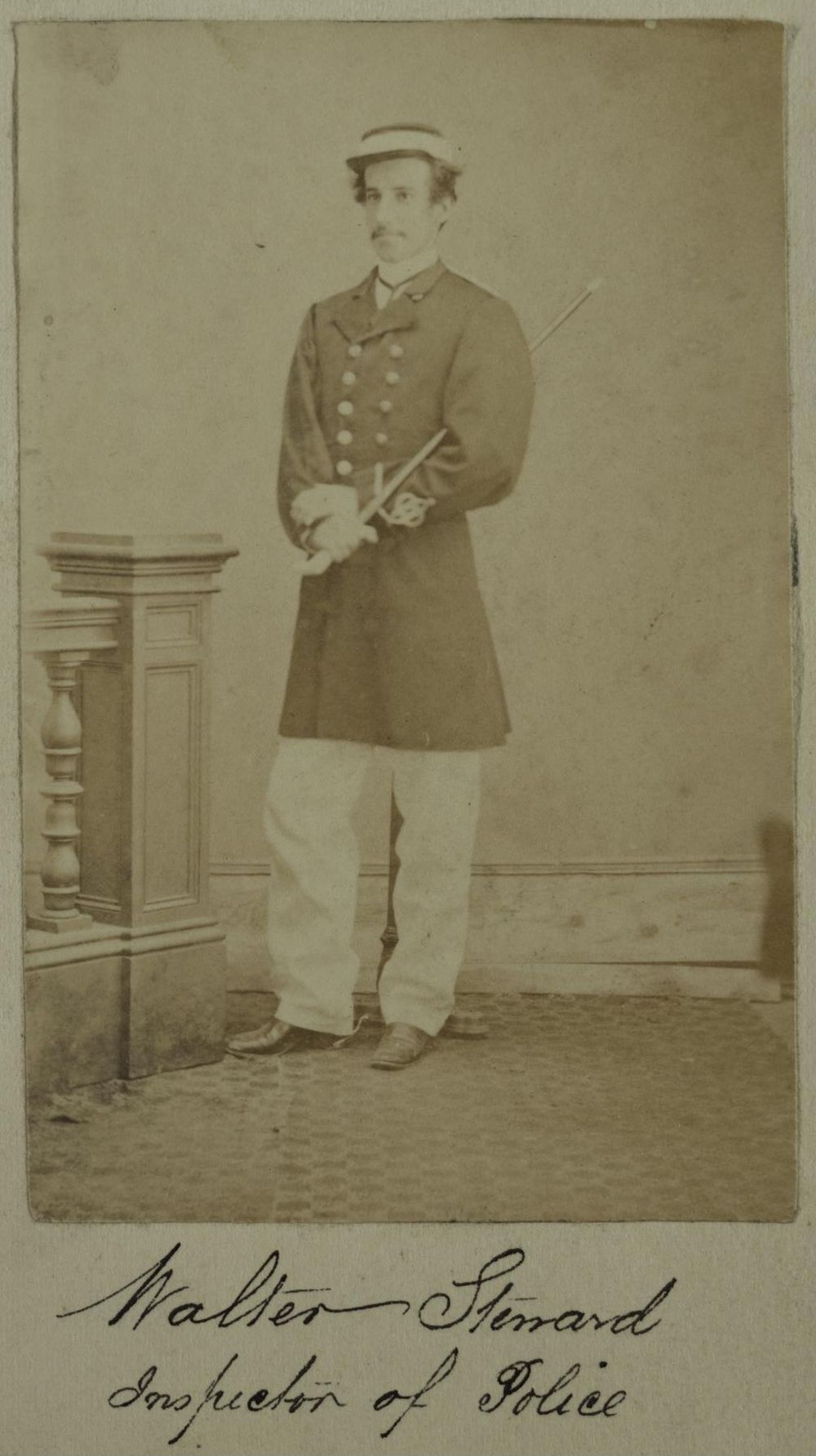
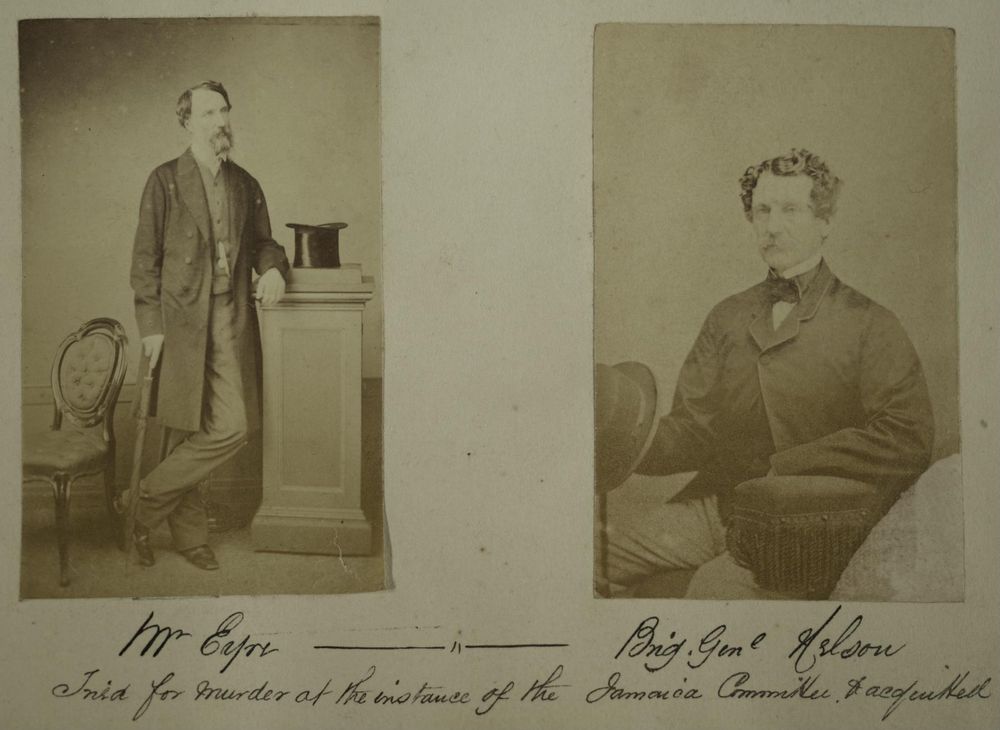
The staff portrait is captioned “Jamaica 1865”. Other images name General O’Connor, Brigadier General Nelson and police inspector Walter Stewart. Together they show the military and police establishment whose operations followed the uprising.
Source & credit
General O’Connor, Brigadier General Nelson and Inspector Stewart
Source & credit
Source & credit
Source & credit
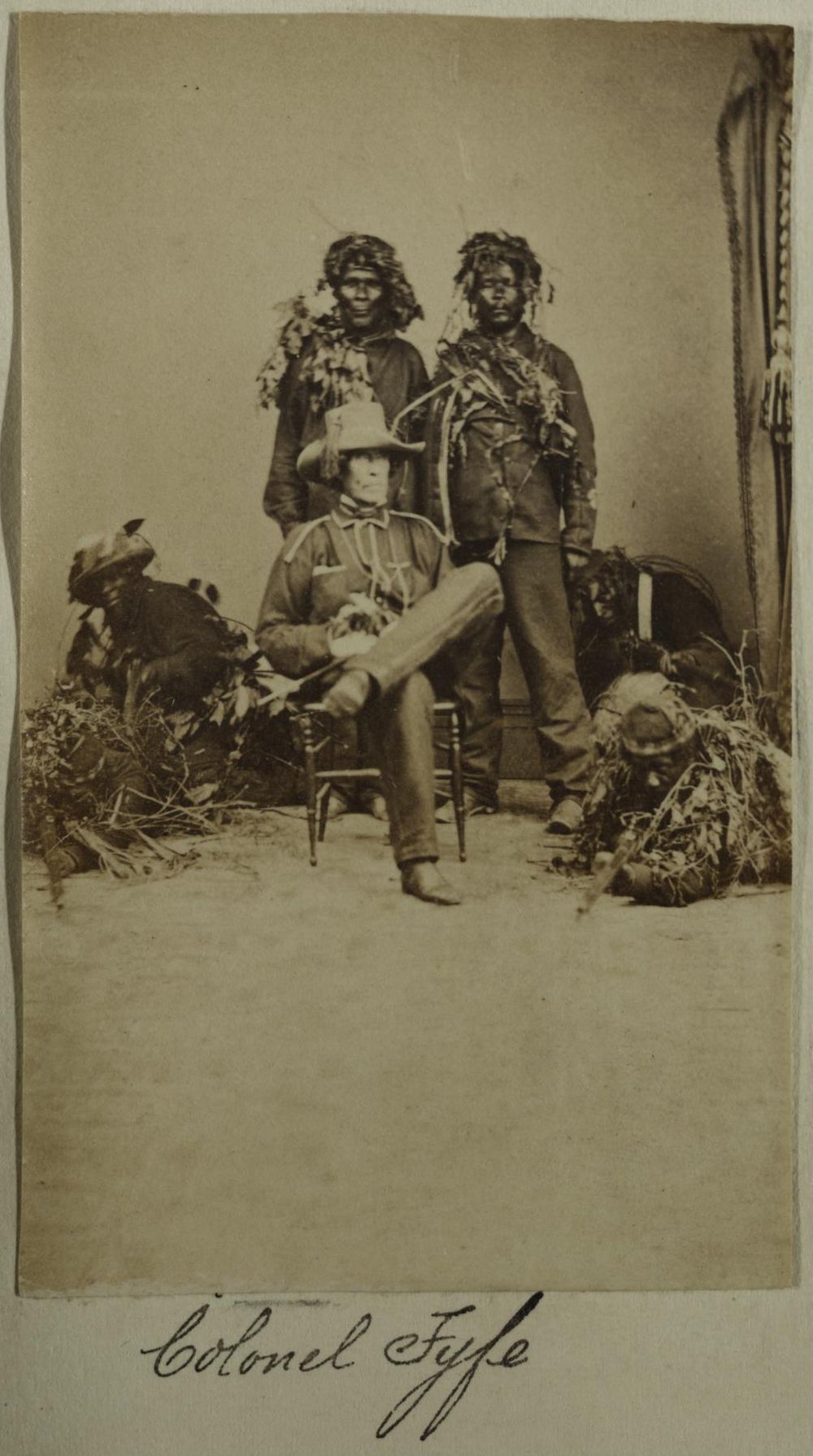
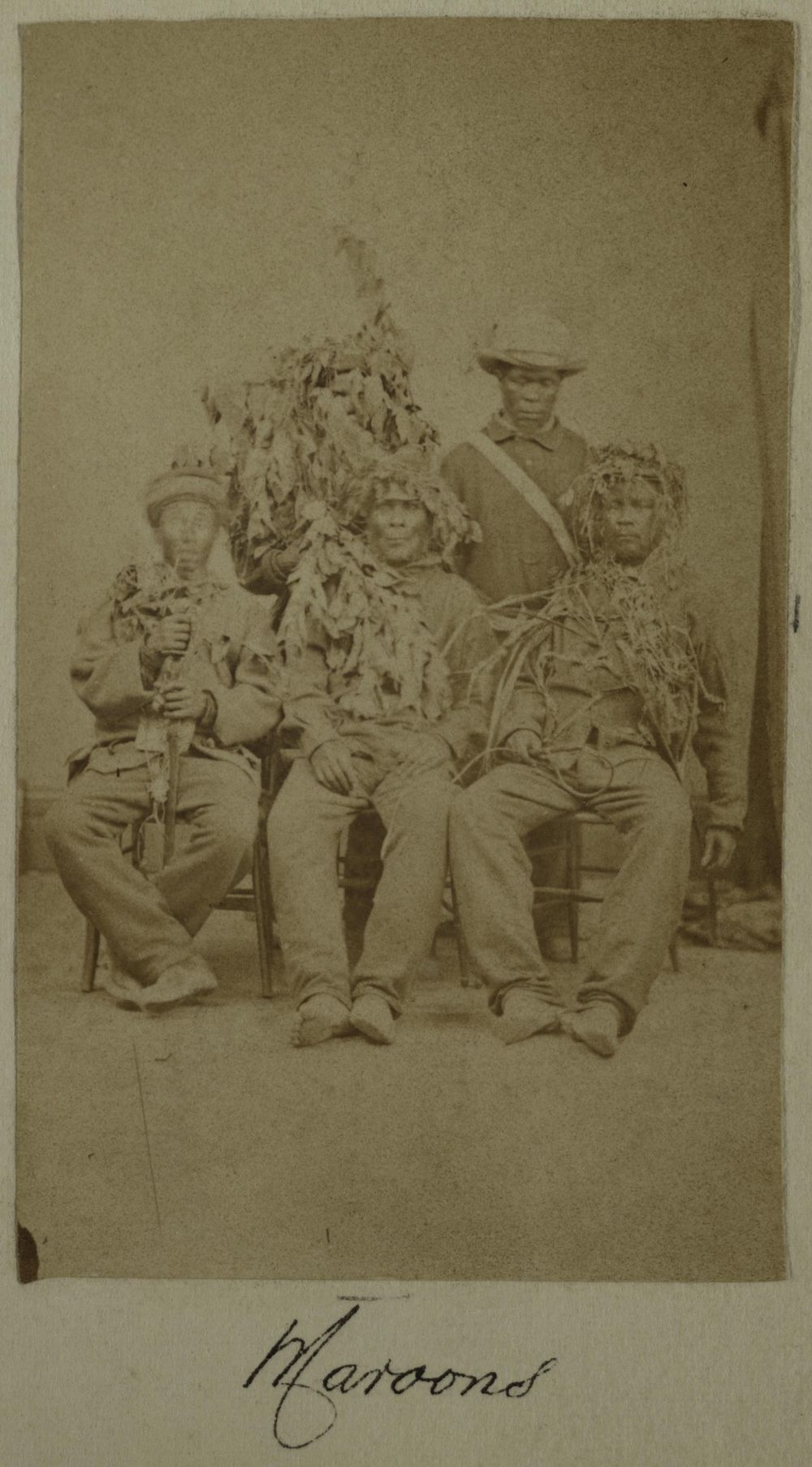
Colonel Fyfe and the Maroon contingent
The portraits of Colonel Fyfe and Jamaican Maroons belong beside the history of the operations against Bogle and his supporters. Participating Maroons helped the colonial forces during the suppression. The Bogle and Stony Gut article follows the capture, while the Maroon investigation explains the longer history of autonomy, treaties and service to colonial authorities. [curator] [4]
Source & credit
Source & credit
The legal aftermath and the survivors
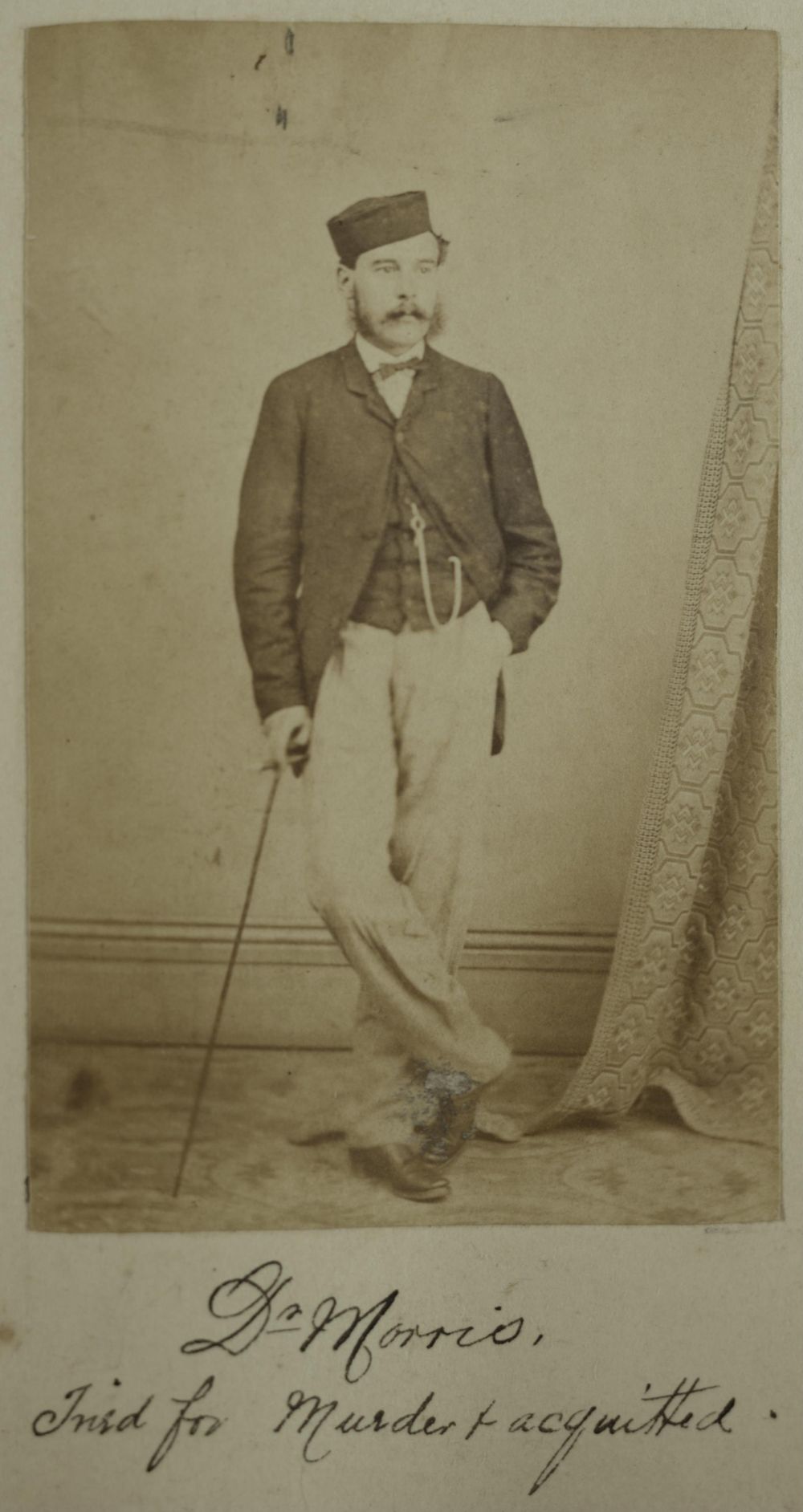
The album also follows the crisis into trials and acquittals, and includes volunteers and people who were wounded. These portraits show that the aftermath involved different outcomes, not one undifferentiated list of the dead. The catalogue descriptions identify the particular cases.
Levine, Lindo, Ramsay, Warmington, Morris and the composite portrait record
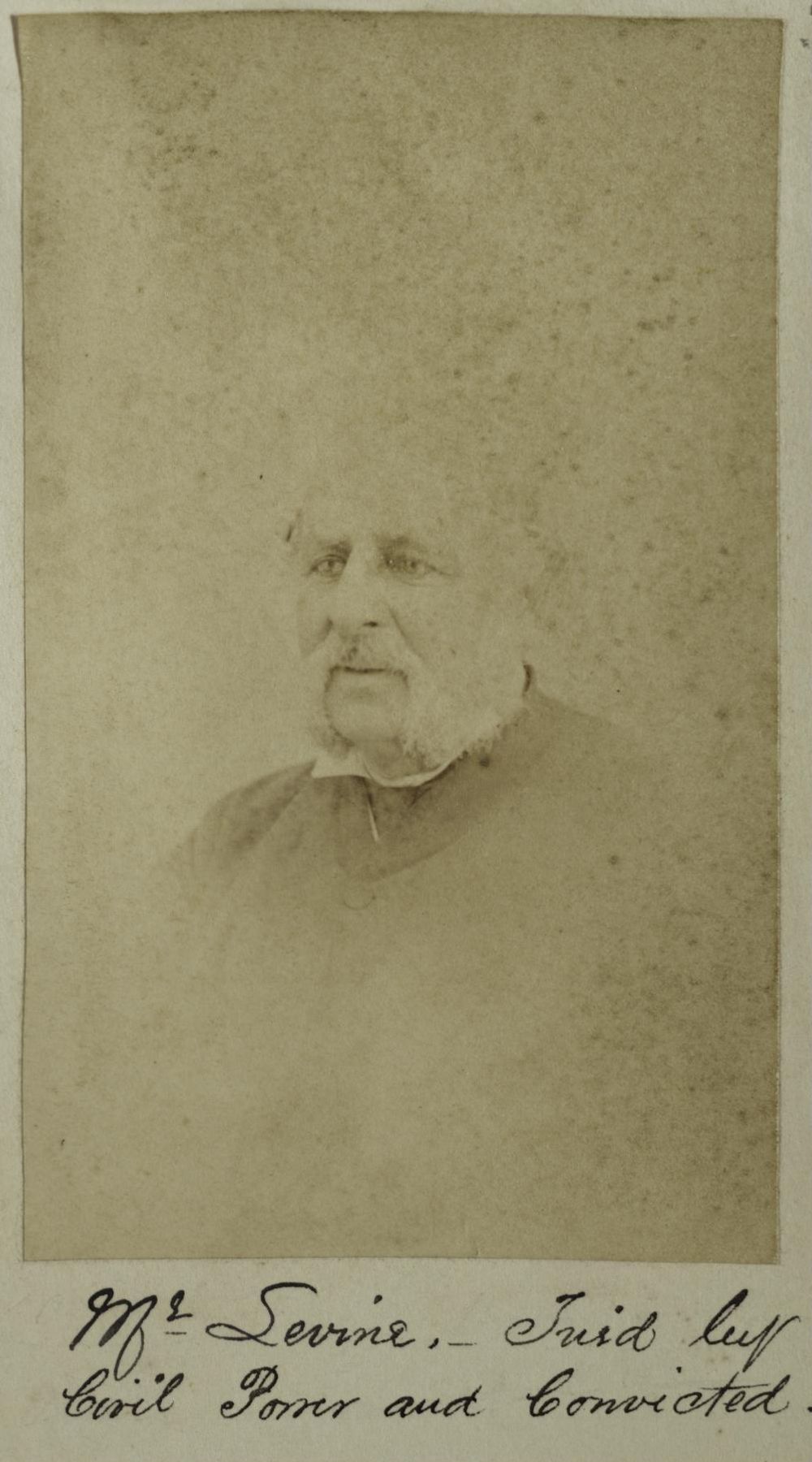
Source & credit
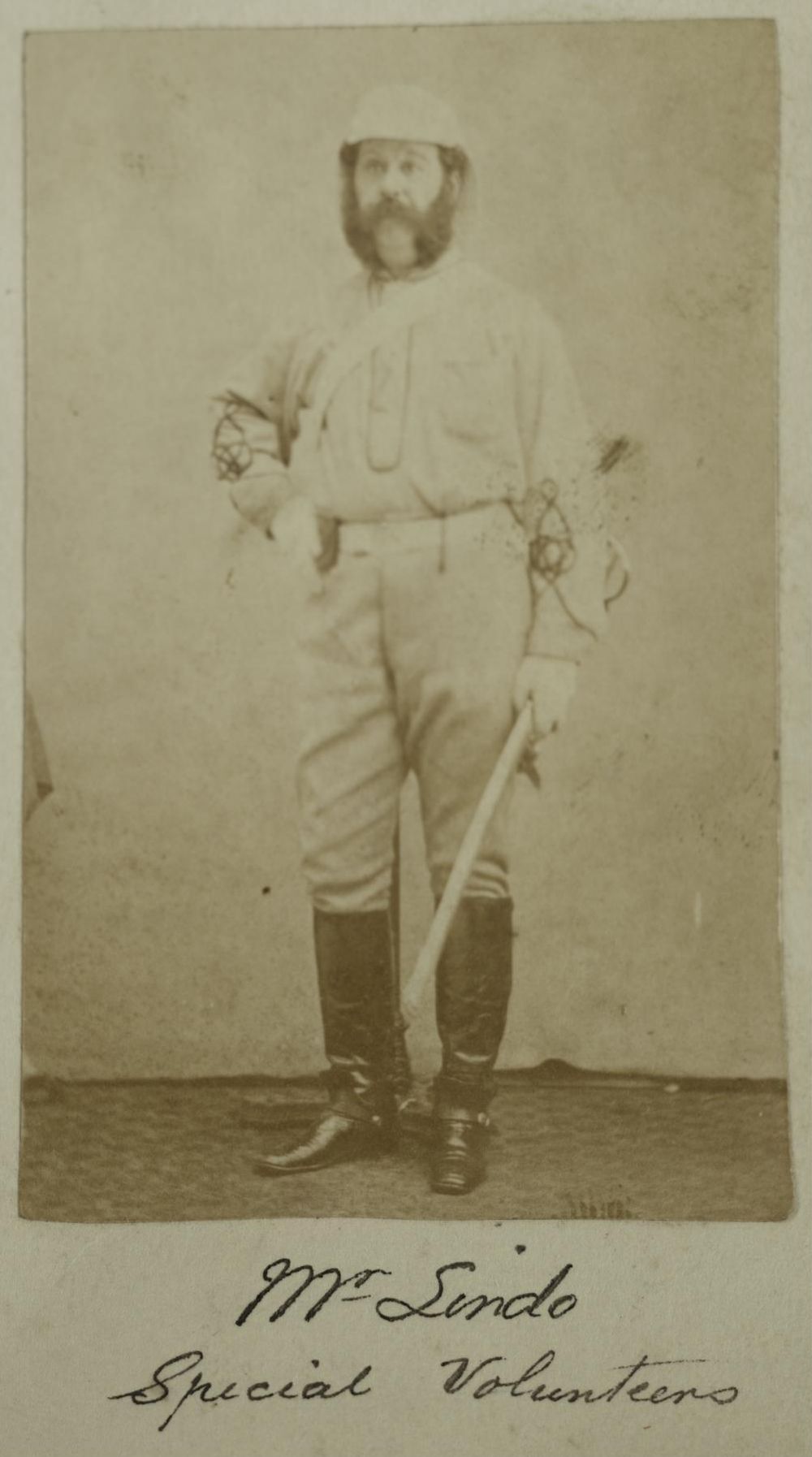
Source & credit
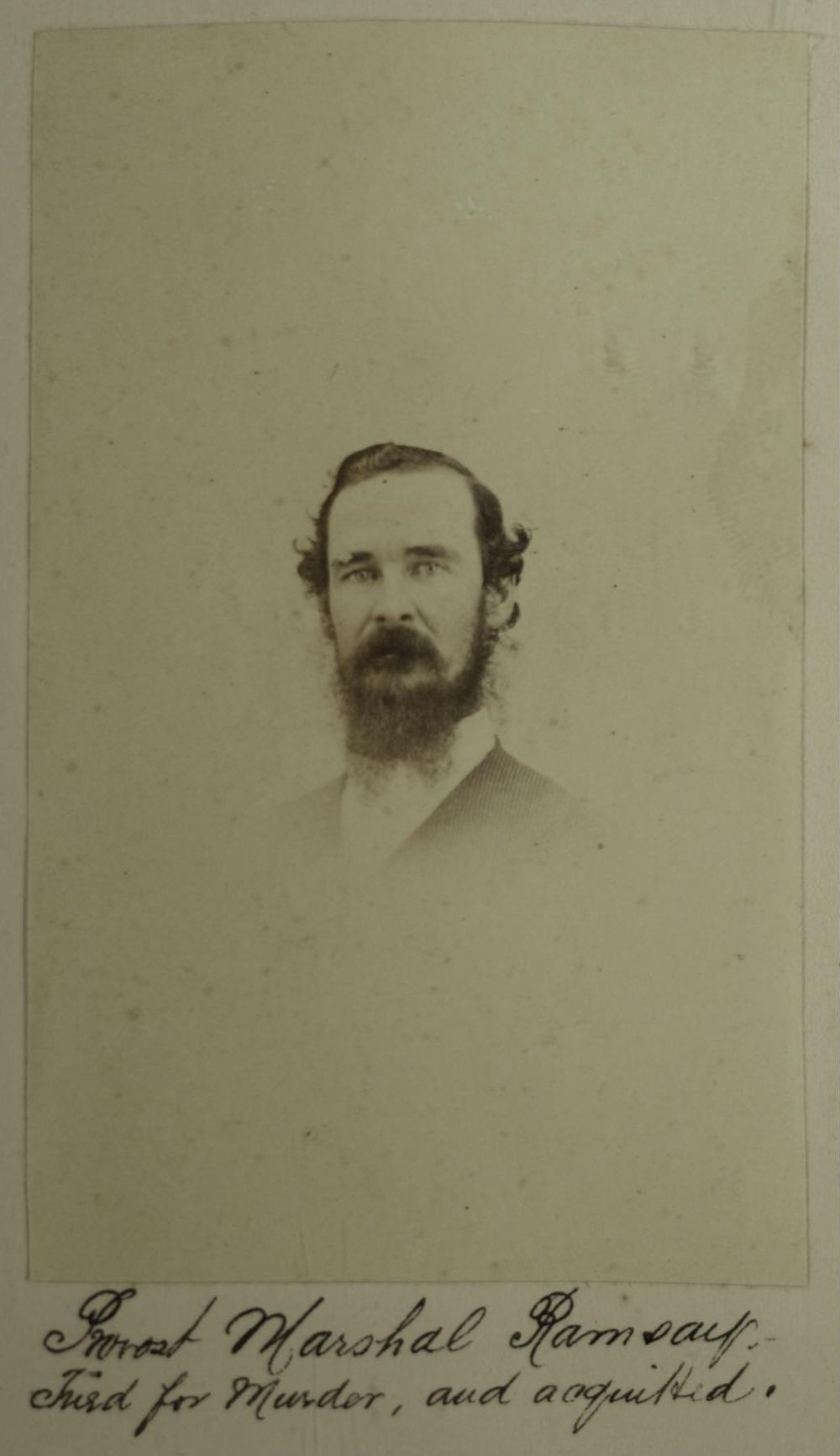
Source & credit
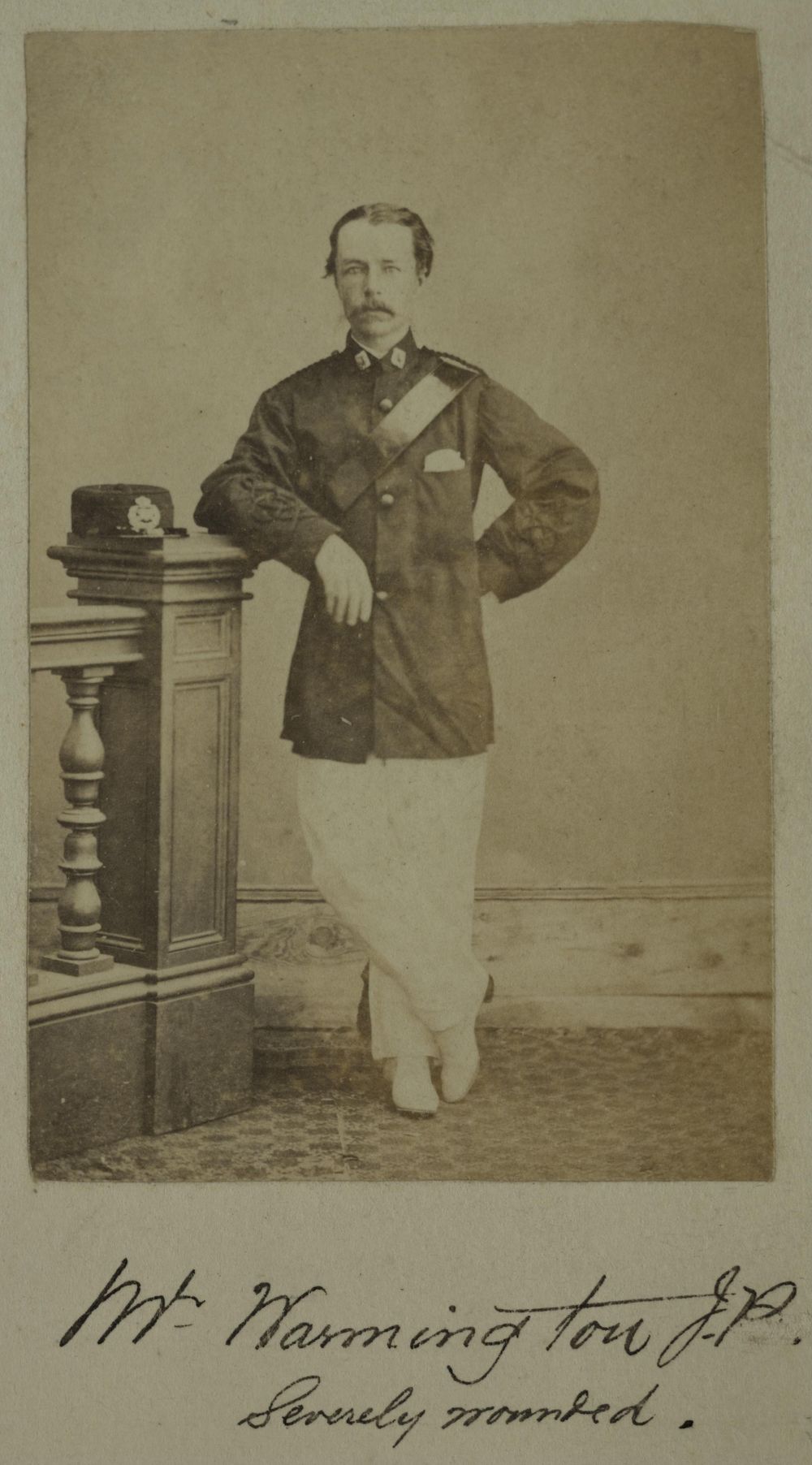
Source & credit
Source & credit
Source & credit
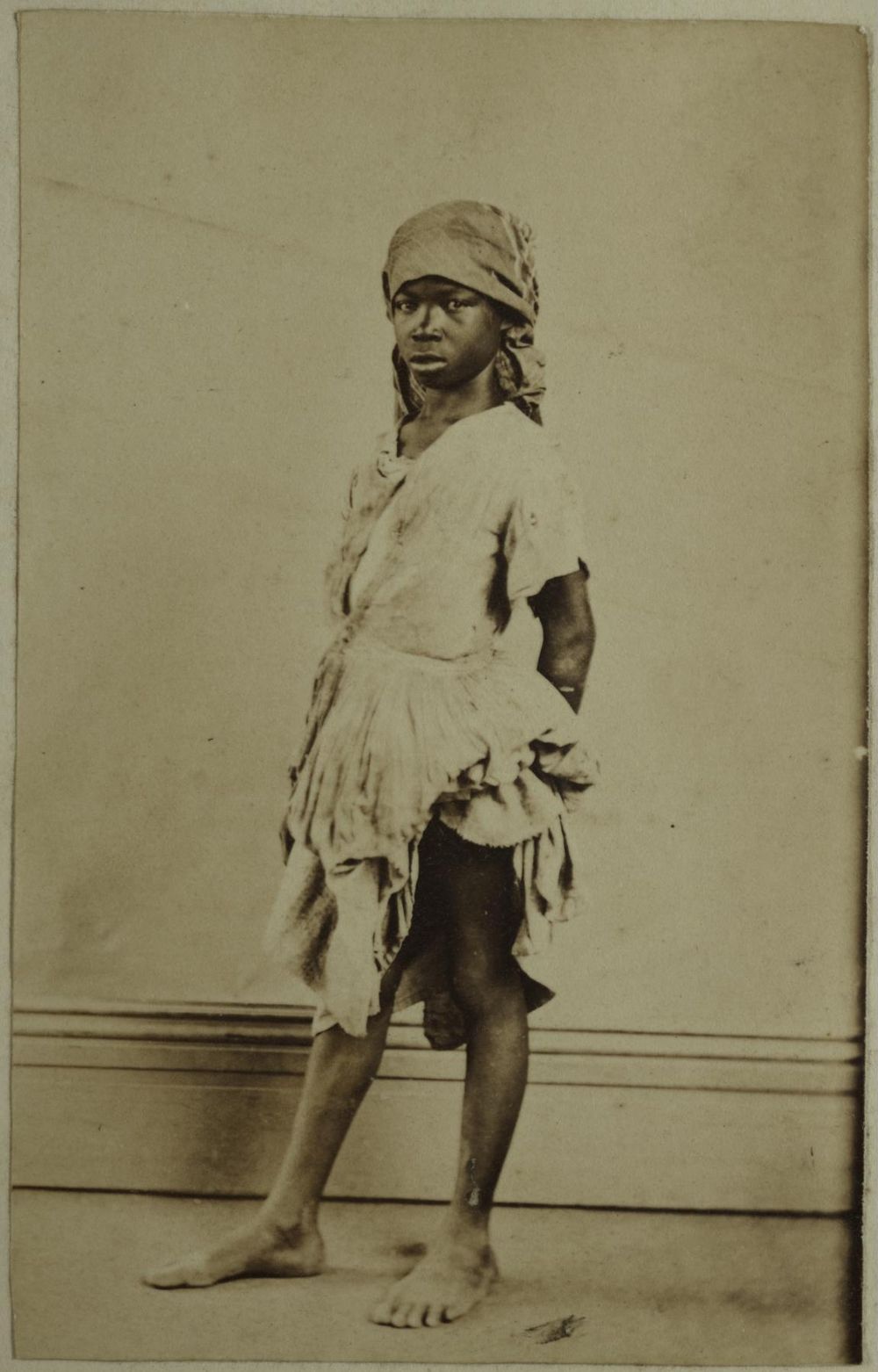
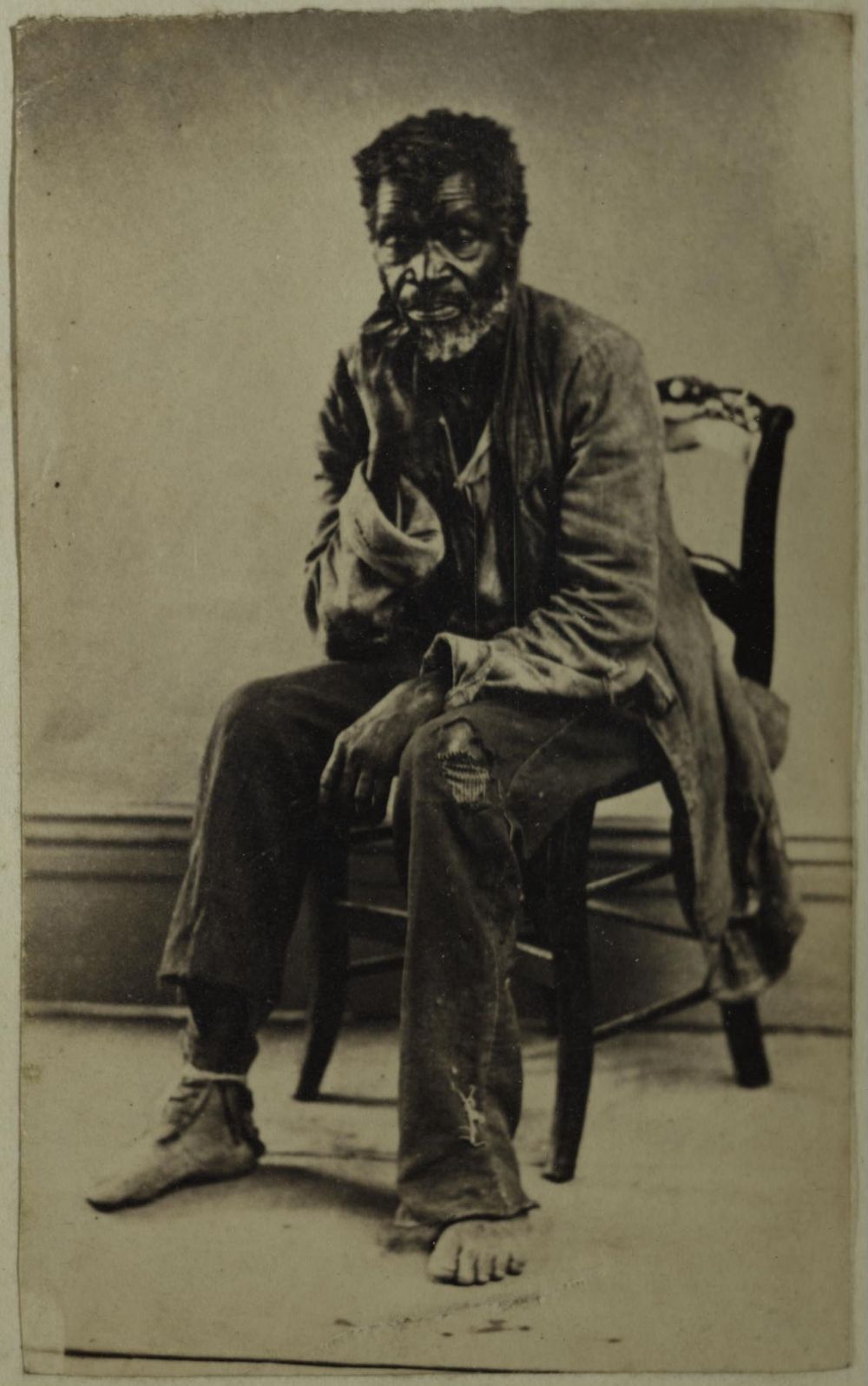
Jamaican people beyond the official names
The portraits of Jamaican sitters give the album a wider human presence than its ranks and offices alone. The surviving catalogue does not name these individuals, but their faces, clothing and group arrangements deserve the same attention as the named officials. A composite layout gathers several views already shown separately.
Source & credit
Source & credit
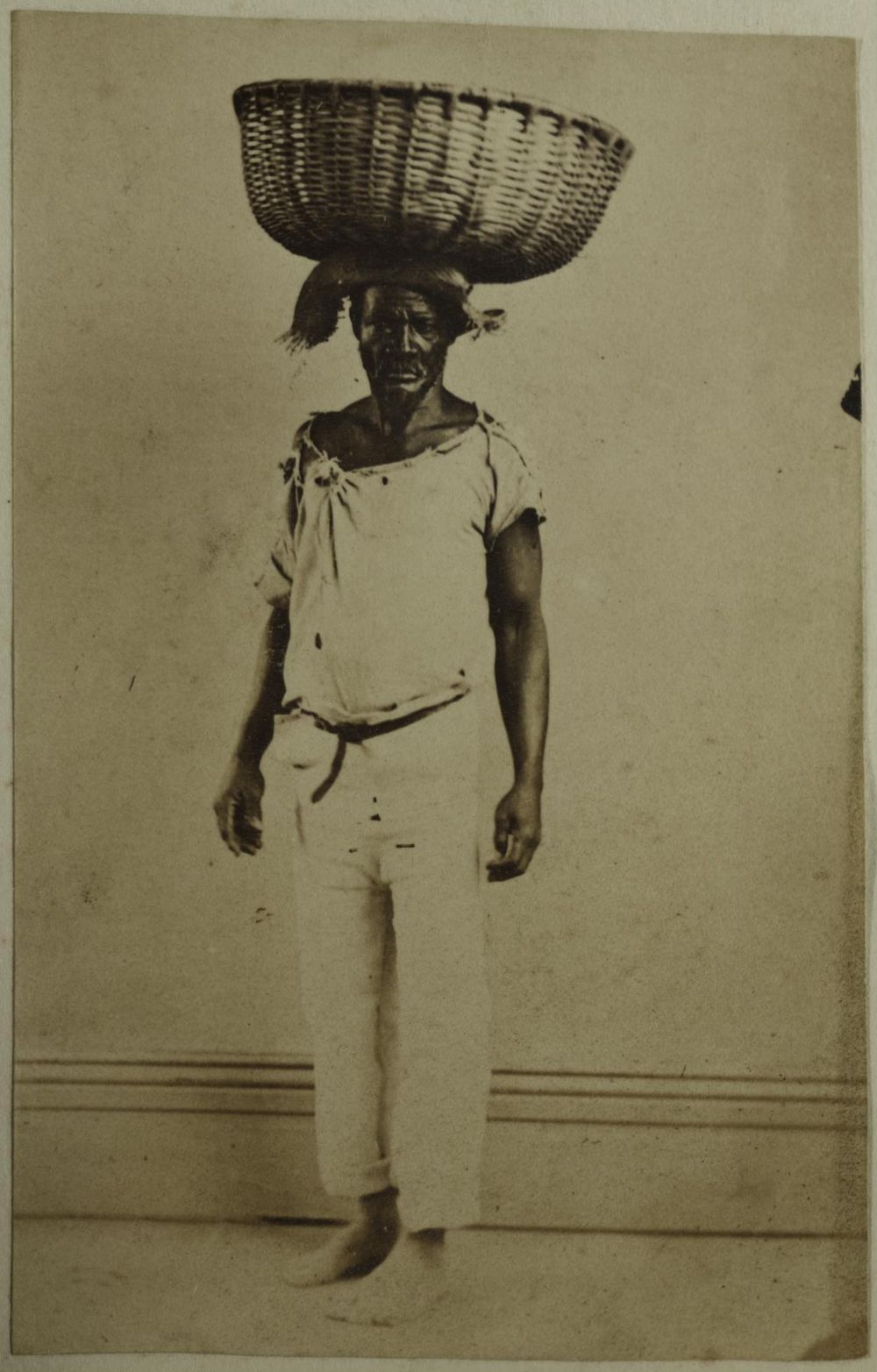
Source & credit
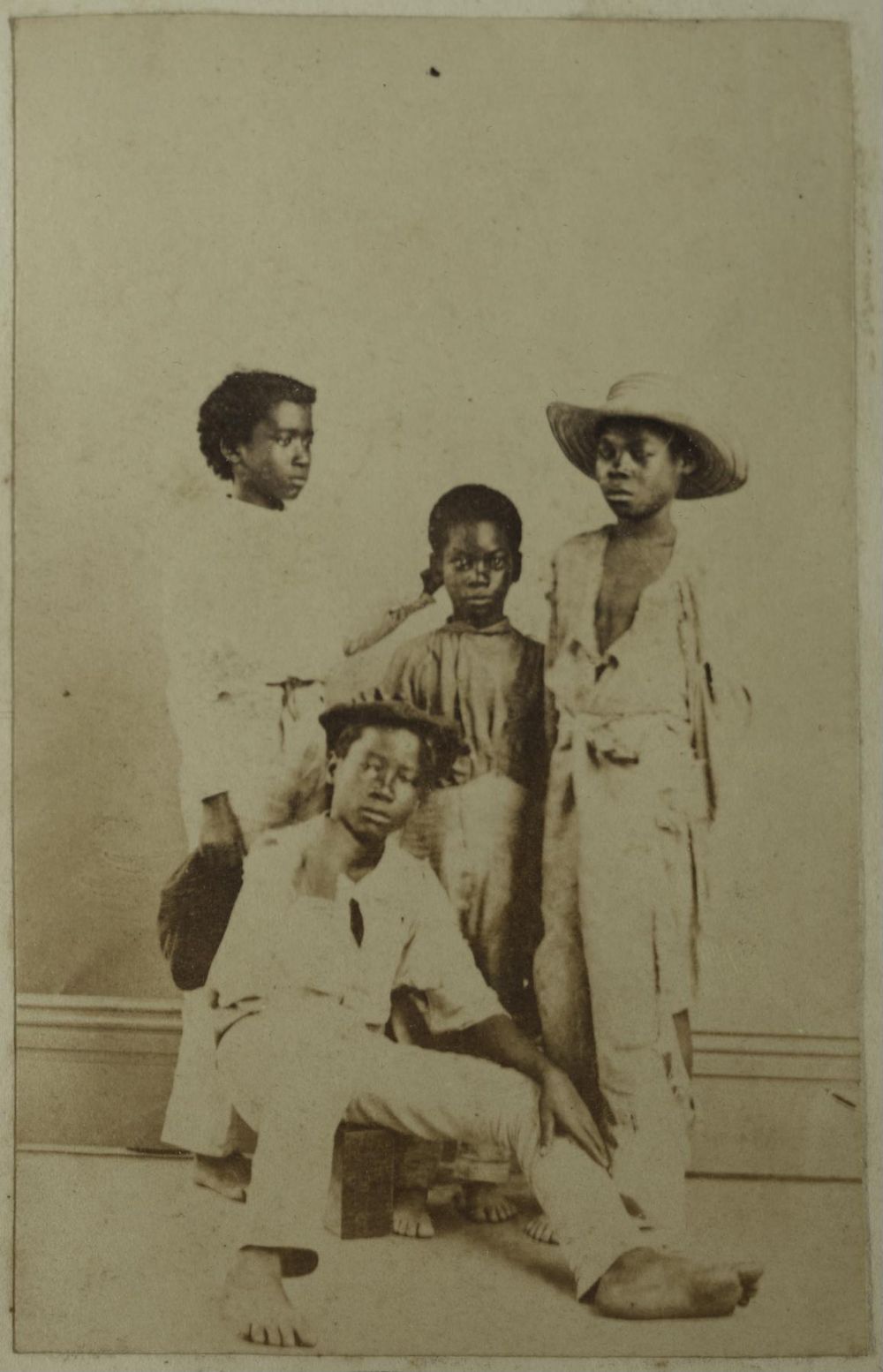
Source & credit
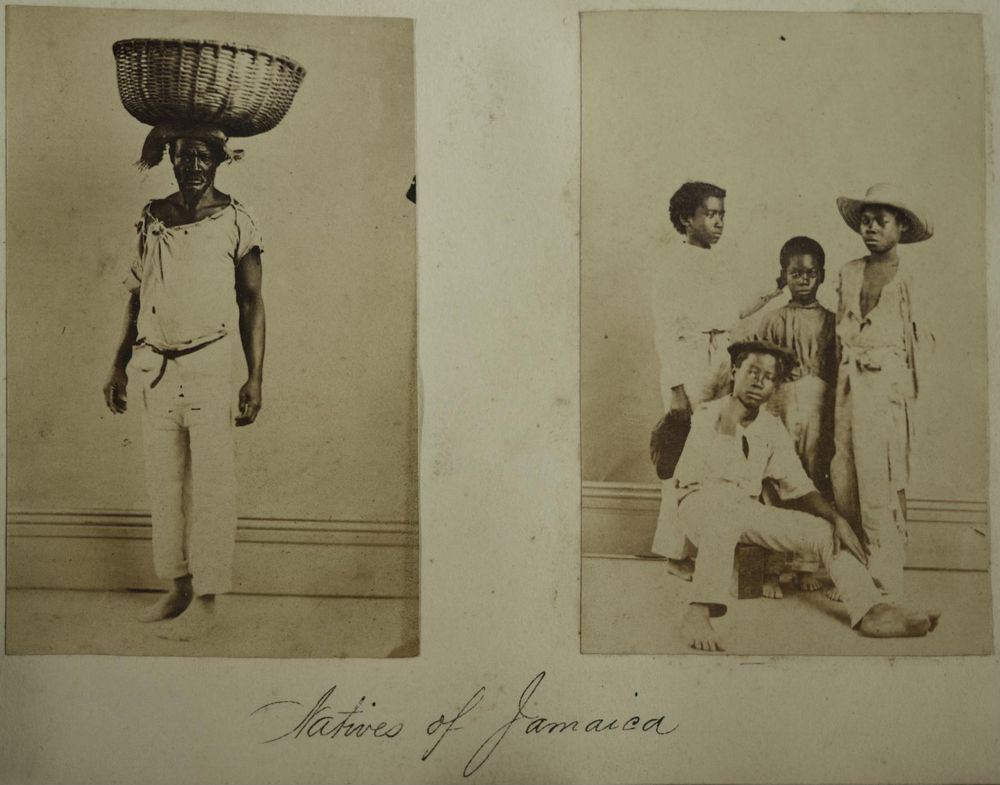
Source & credit
A group beside the Morant Bay views
The untitled group and horse appear beside the town photographs in the album. Their inclusion broadens the visual account beyond formal studio portraits.
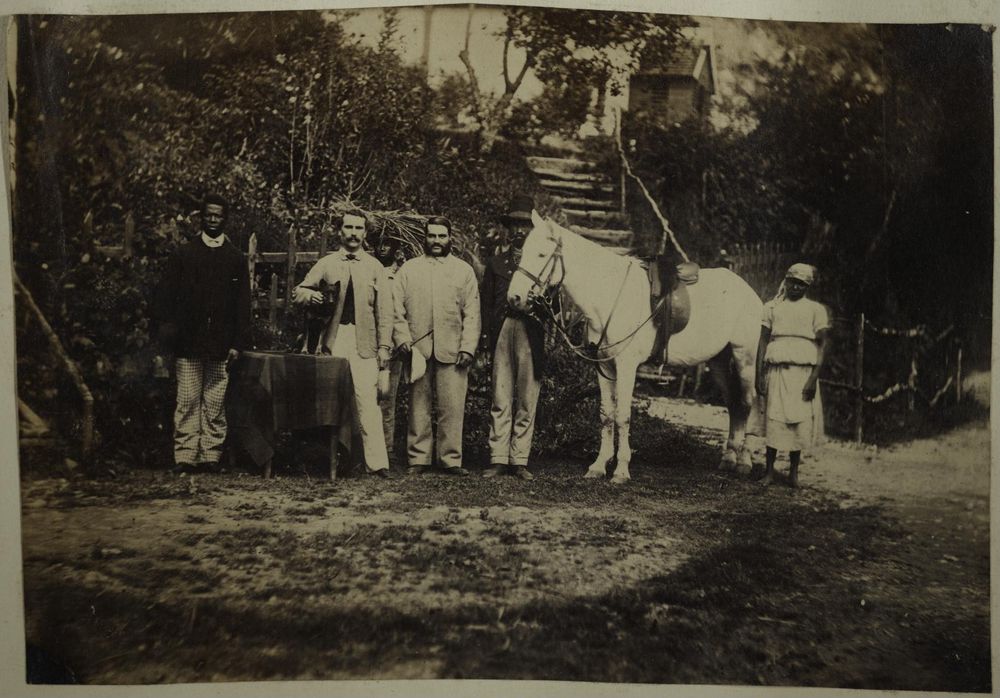
Source & credit
Sources and image provenance
- Princeton Gulland album: Jamaican portrait and group sequences. Catalogue range 1860–1880. Captions and record positions examined; sitter identities not universally authenticated.
- Jonathan Connolly, Re-Reading Morant Bay: Protest, Inquiry, and Colonial Rule (2023). Interpretation of legal inquiry and the narrowing of the event’s political narrative.
- Jamaica Information Service: George William Gordon. Execution date of 23 October 1865; does not authenticate the album portrait.
- Kenneth Bilby, Picturing the Maroons in the Morant Bay Rebellion (2011). Research on photographs and oral memory; individual sitter identifications must not be assumed.
- Princeton Special Collections: copyright, credit and citation policy. The institution requires no publication permission or usage fee and requests credit. No Known Copyright is its assessment, not a worldwide warranty.
- Princeton Graphic Arts, Julie L. Mellby, 5 October 2009. Curatorial identification and historical context of the portraits.
- Jamaica National Heritage Trust: Morant Bay Courthouse.
- Papers Relating to the Disturbances in Jamaica, Part I (February 1866), enclosures 24 and 33, printed pp. 18, 22–23. Contemporary report and casualty return for 11 October 1865.
- Papers Laid before the Jamaica Royal Commission by Governor Eyre (1866), statement of Dr Edward William Major, printed pp. 28–29. Survivor’s account and description of Charles Price.